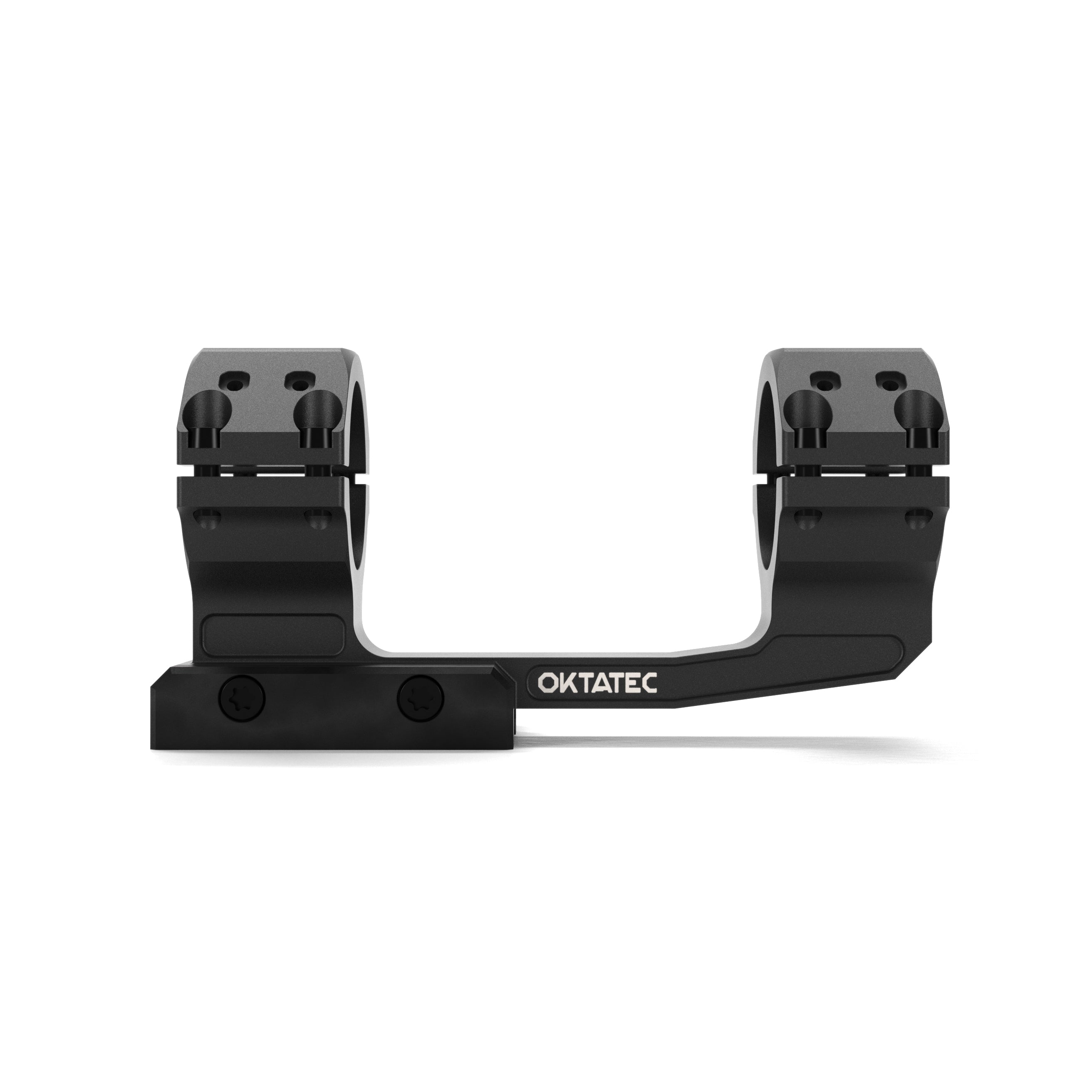
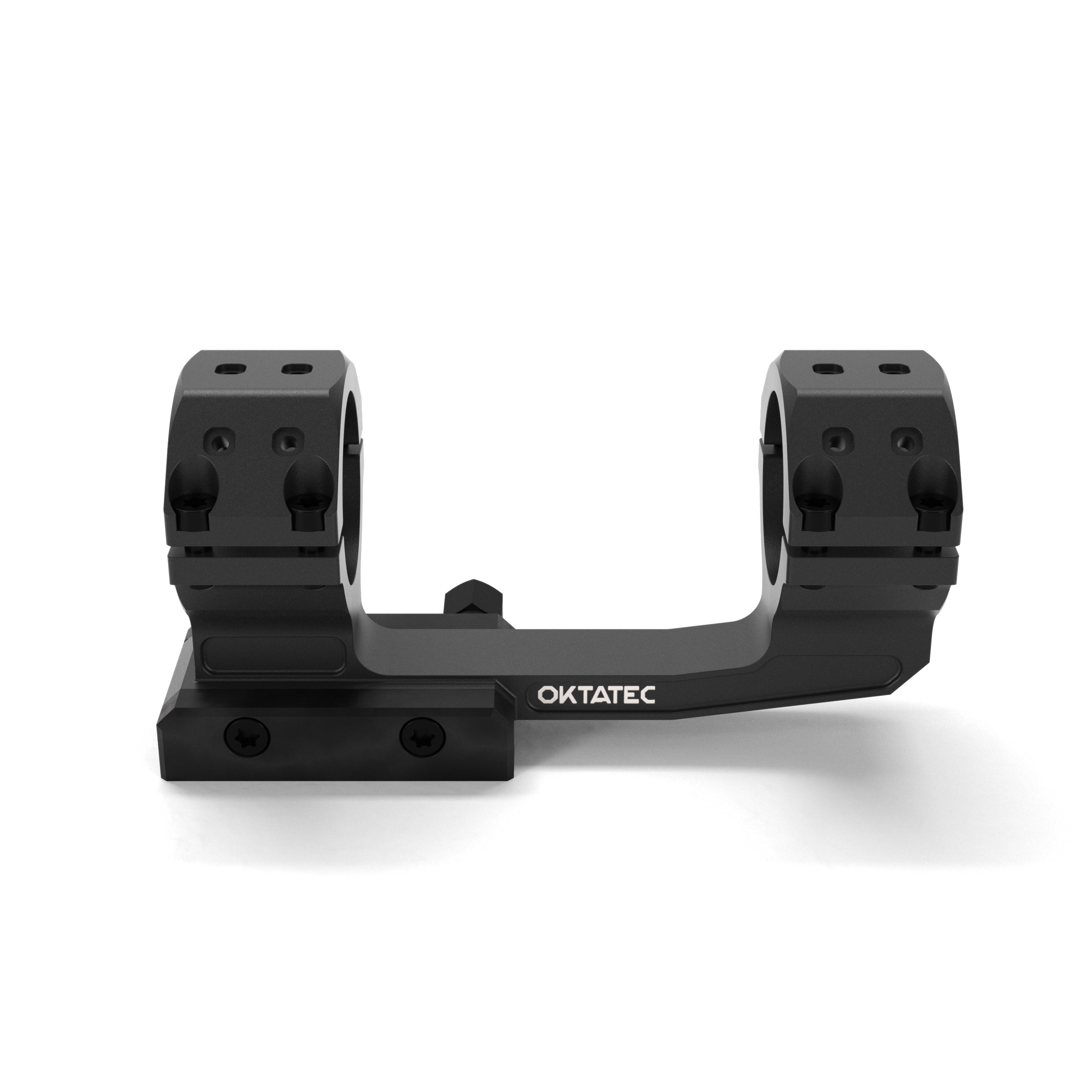
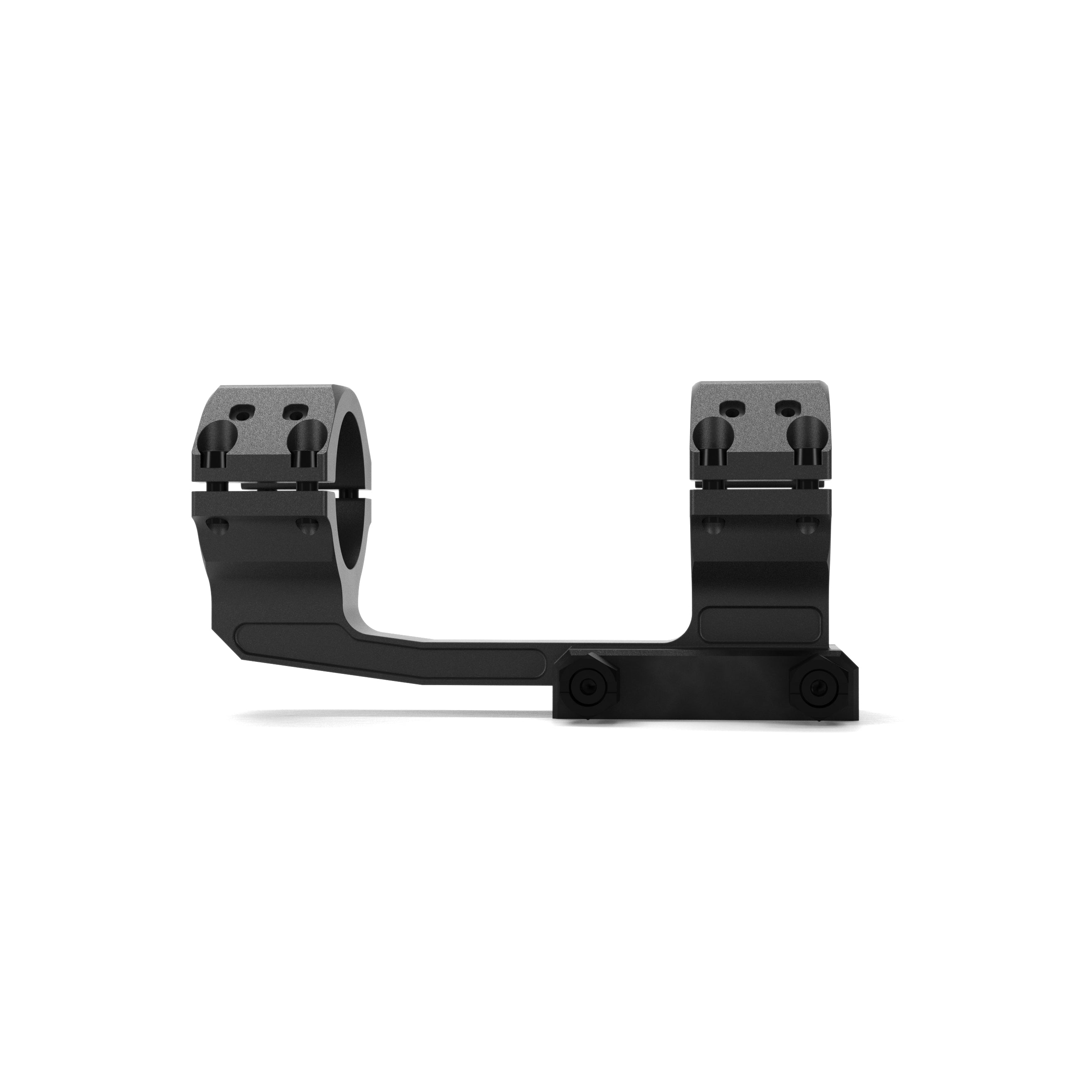
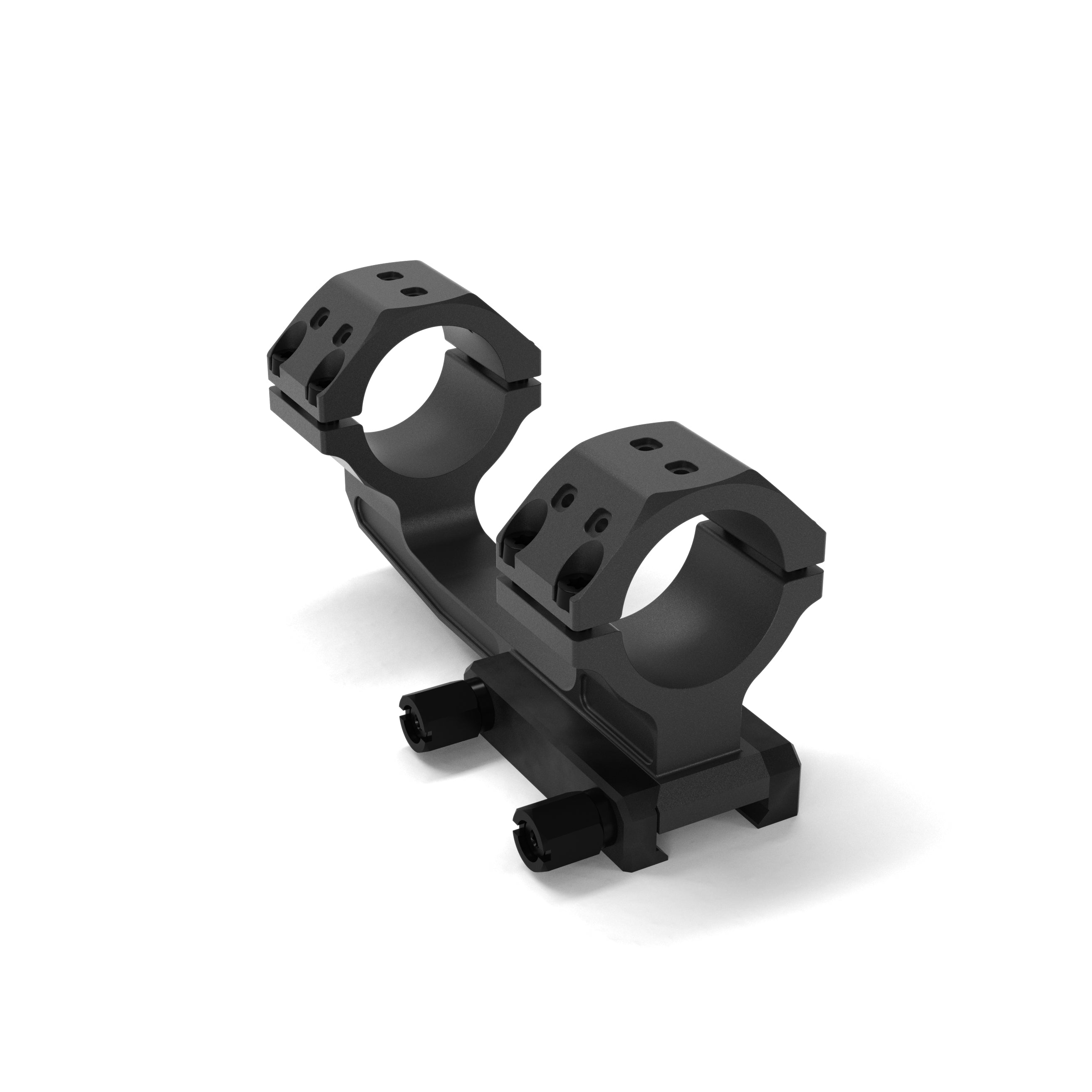
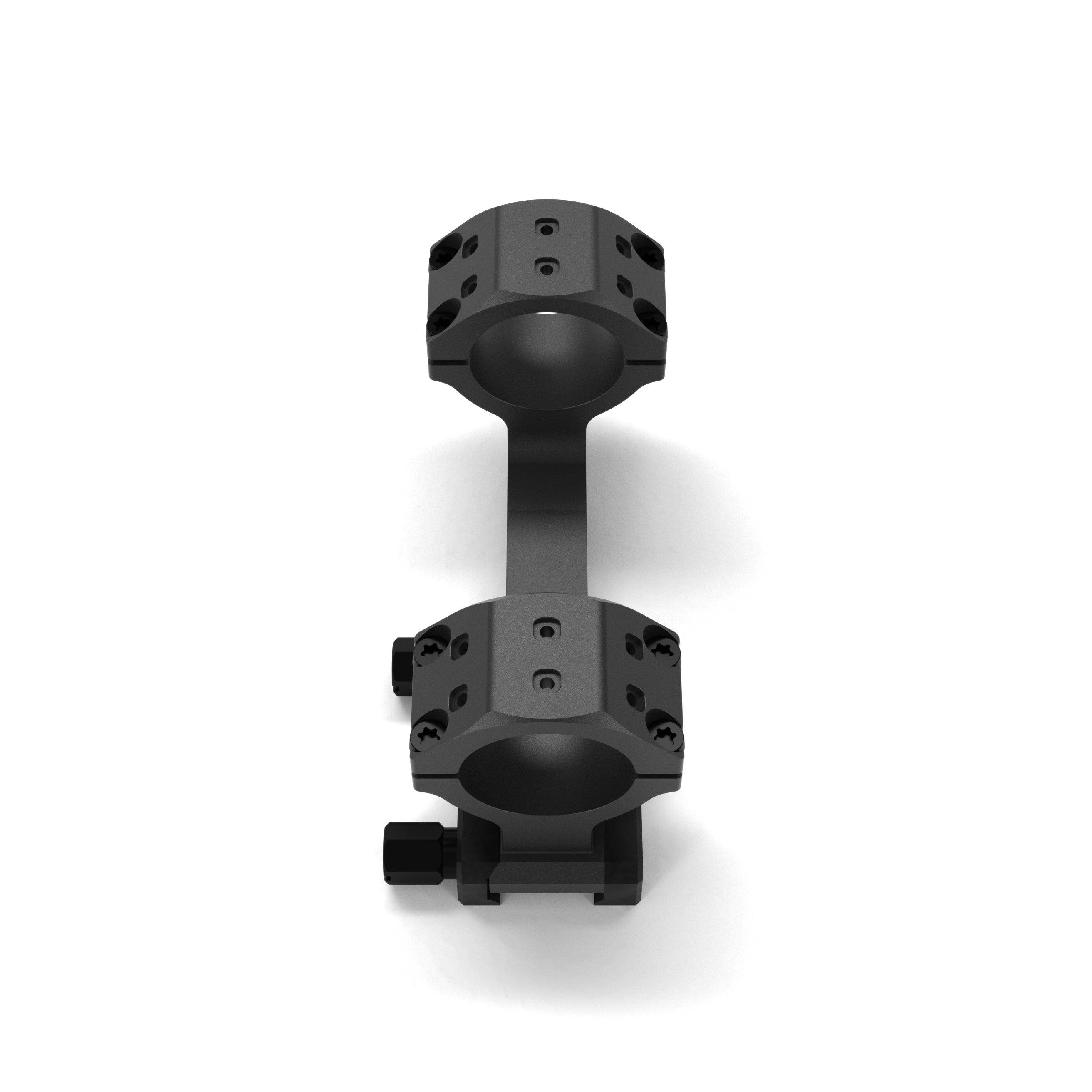
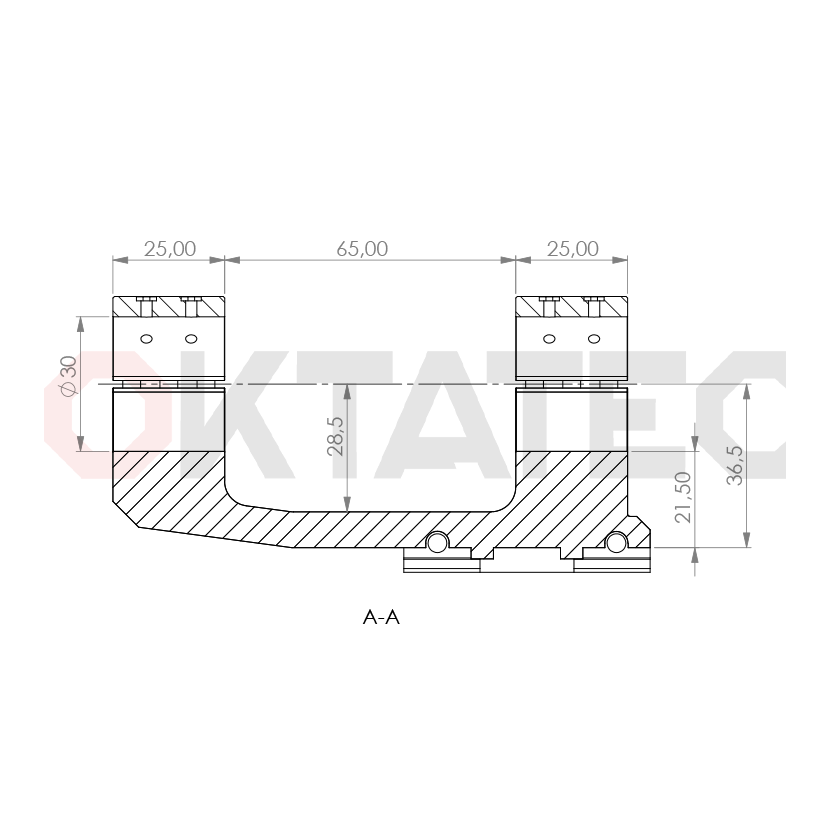
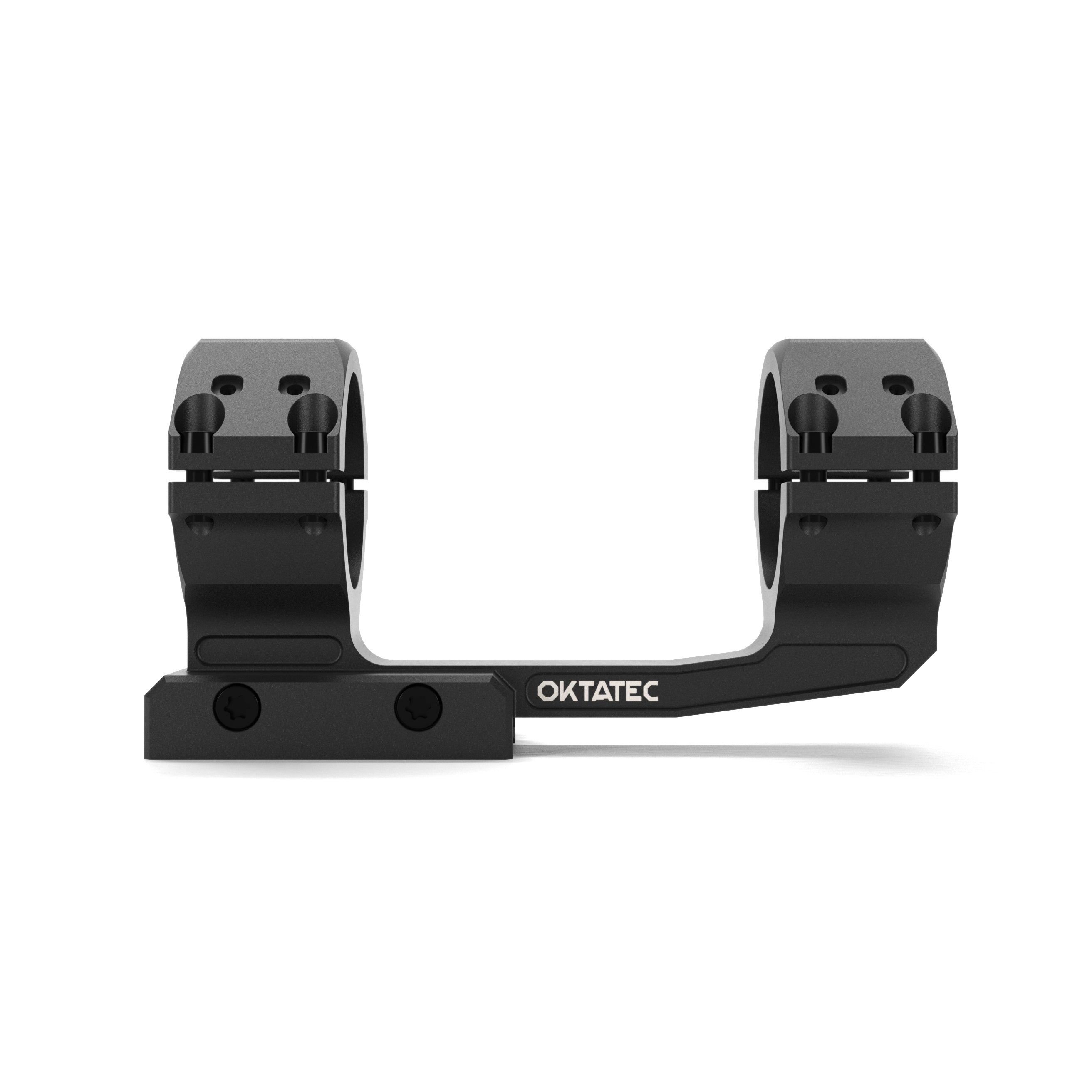
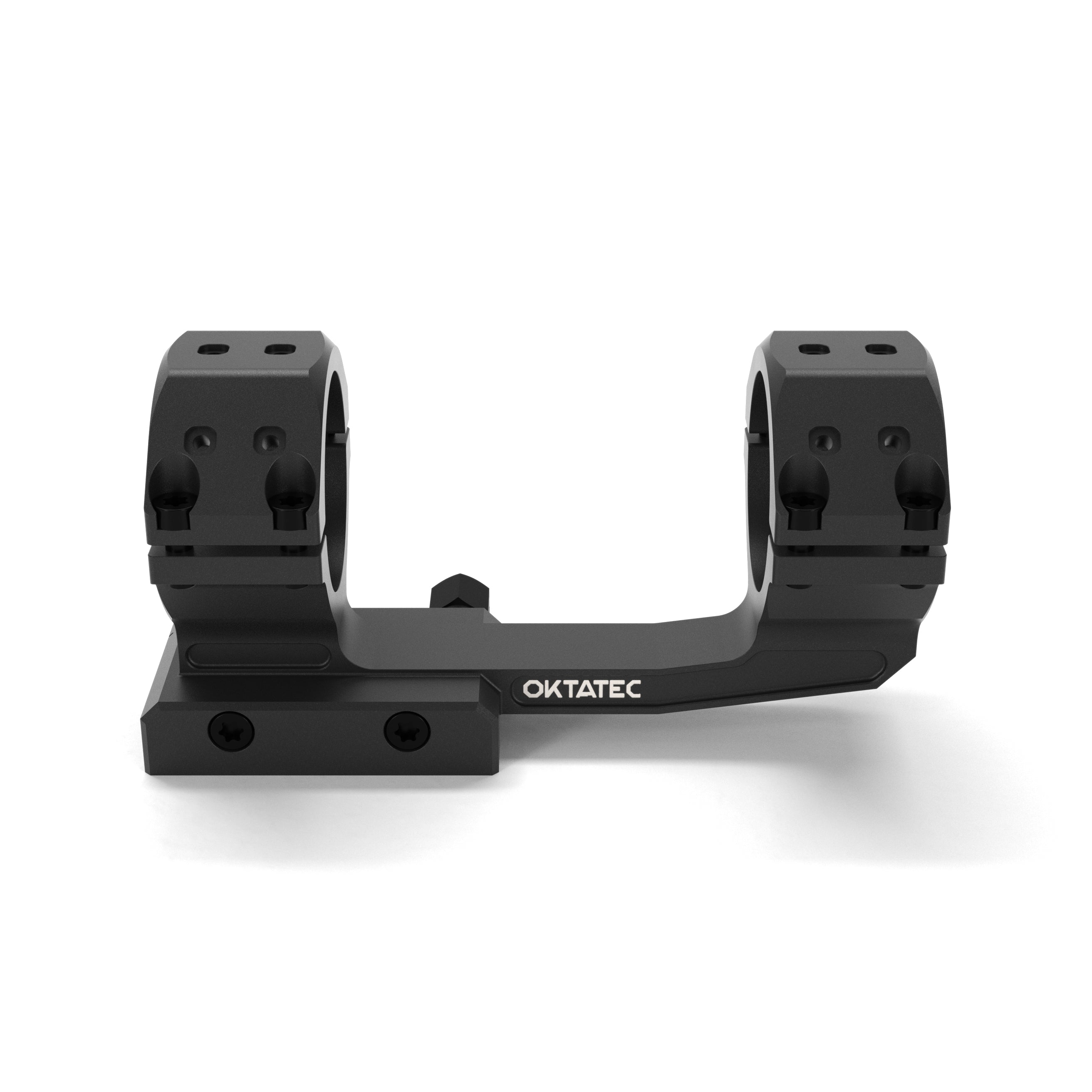
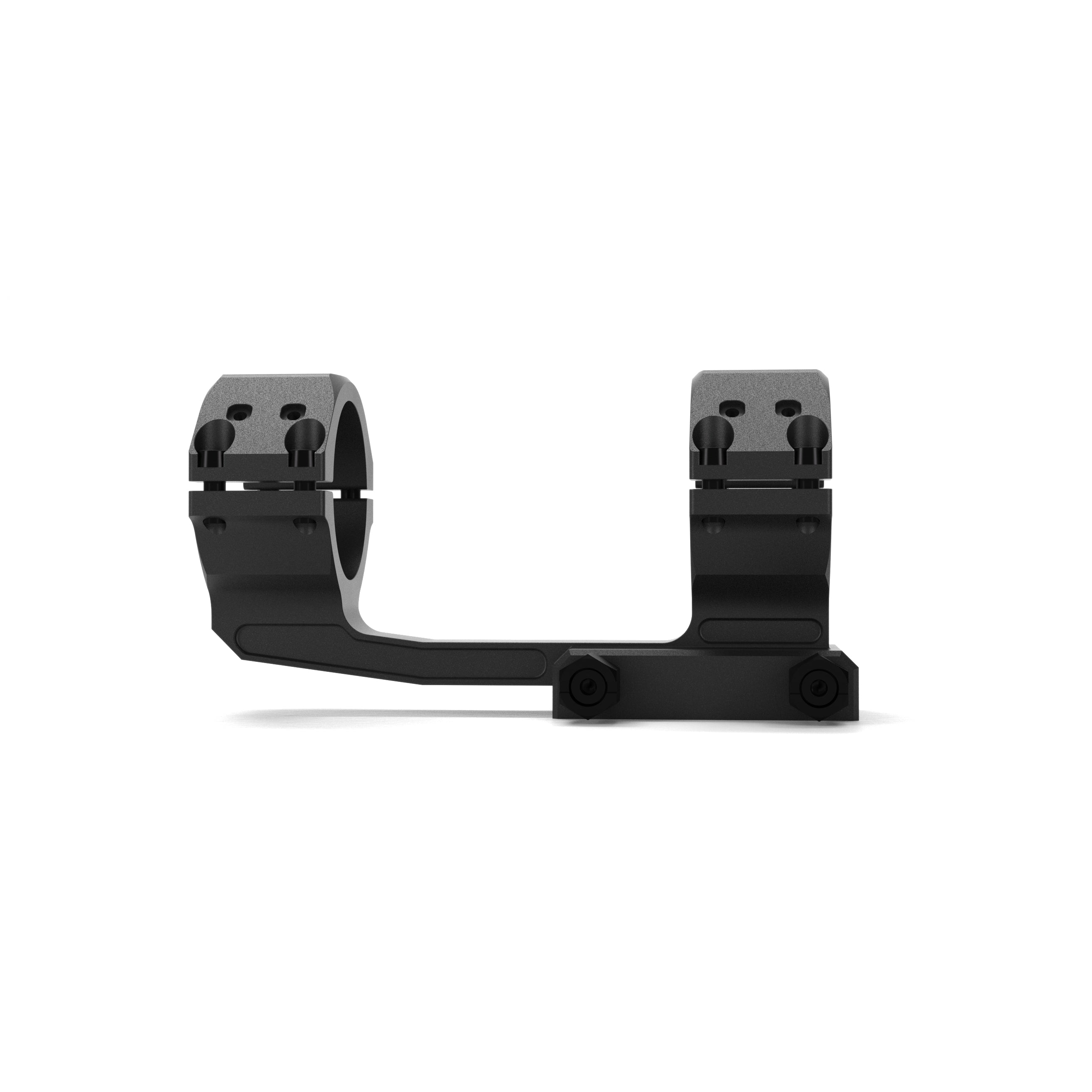
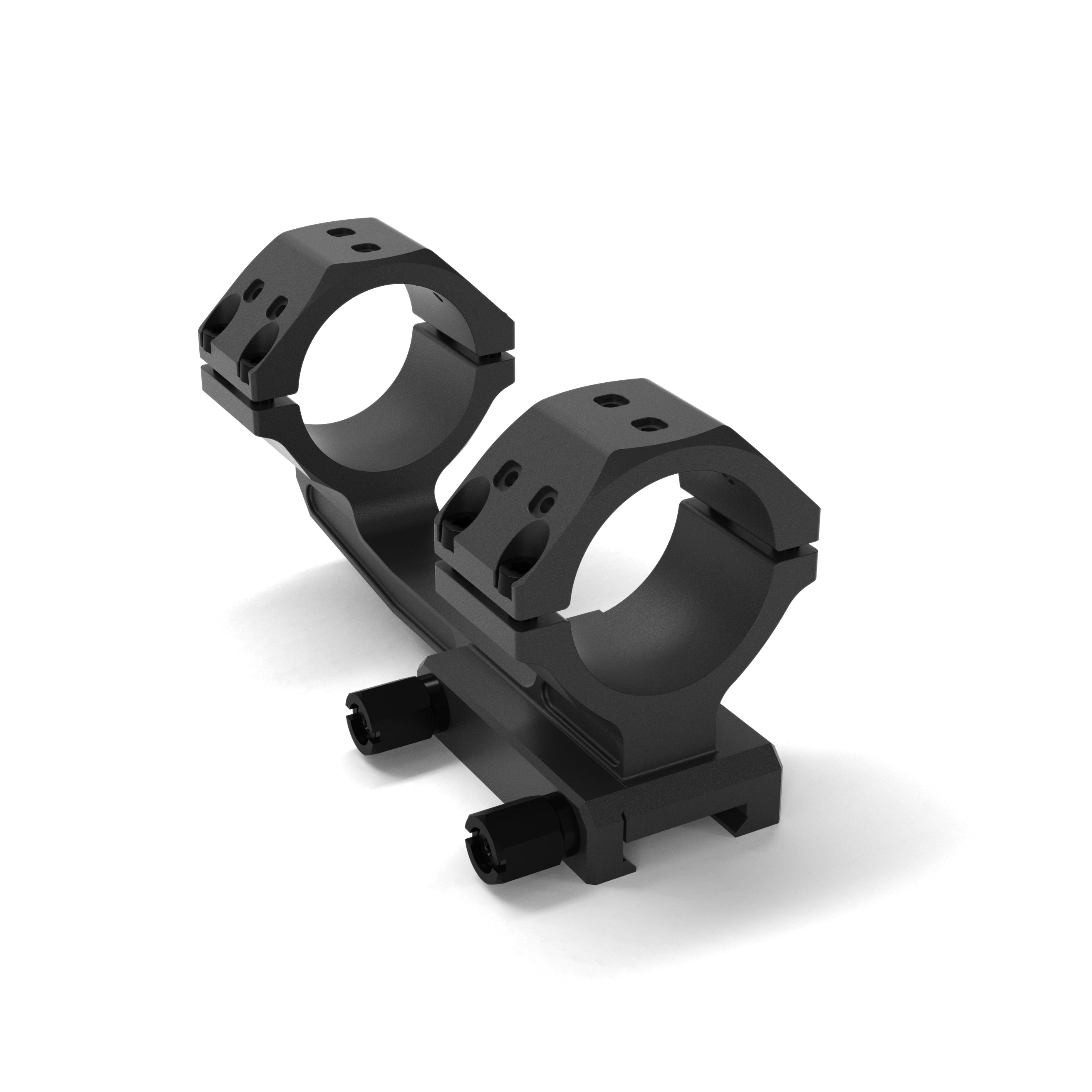
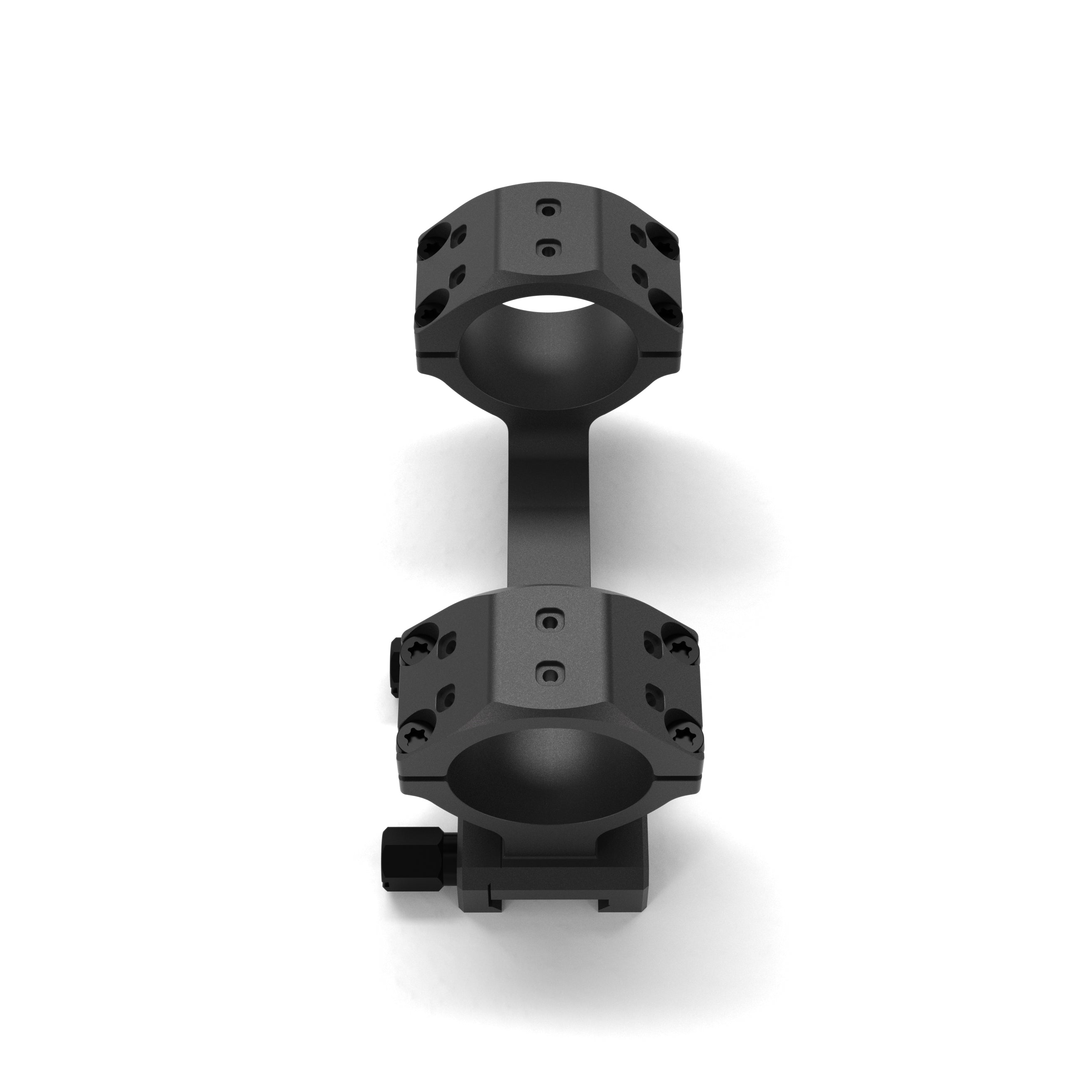
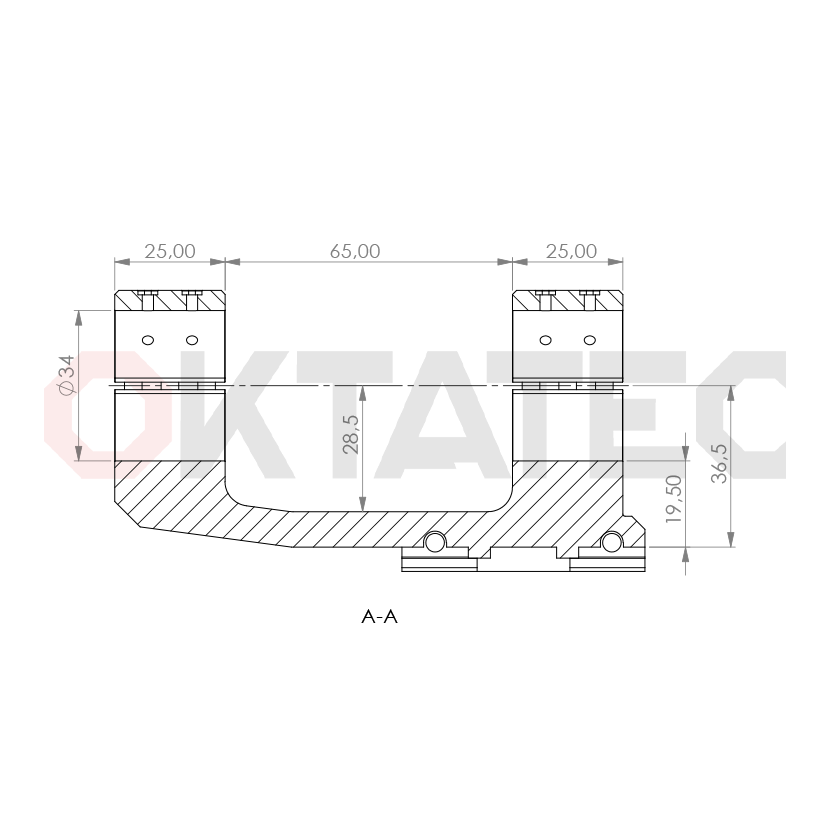
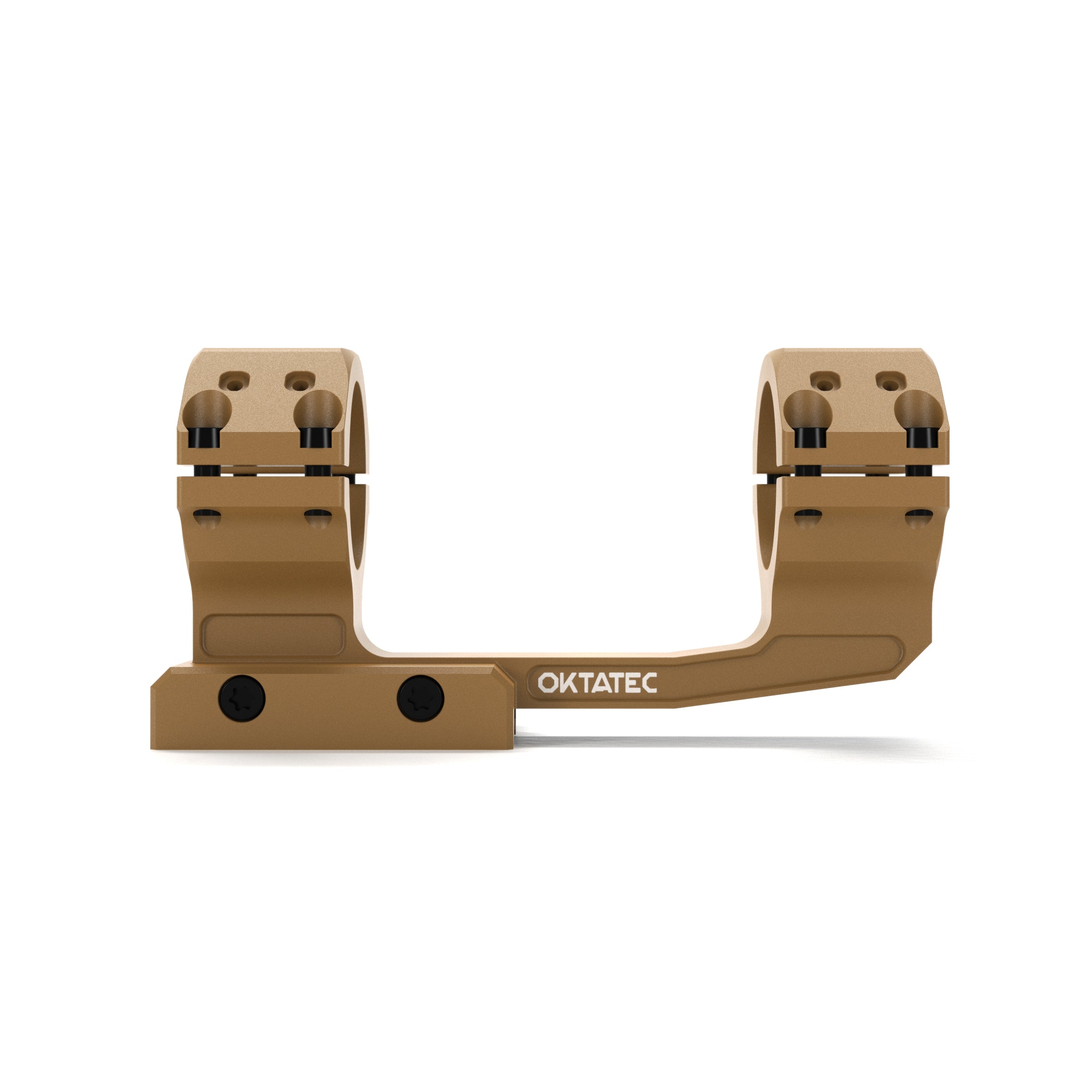
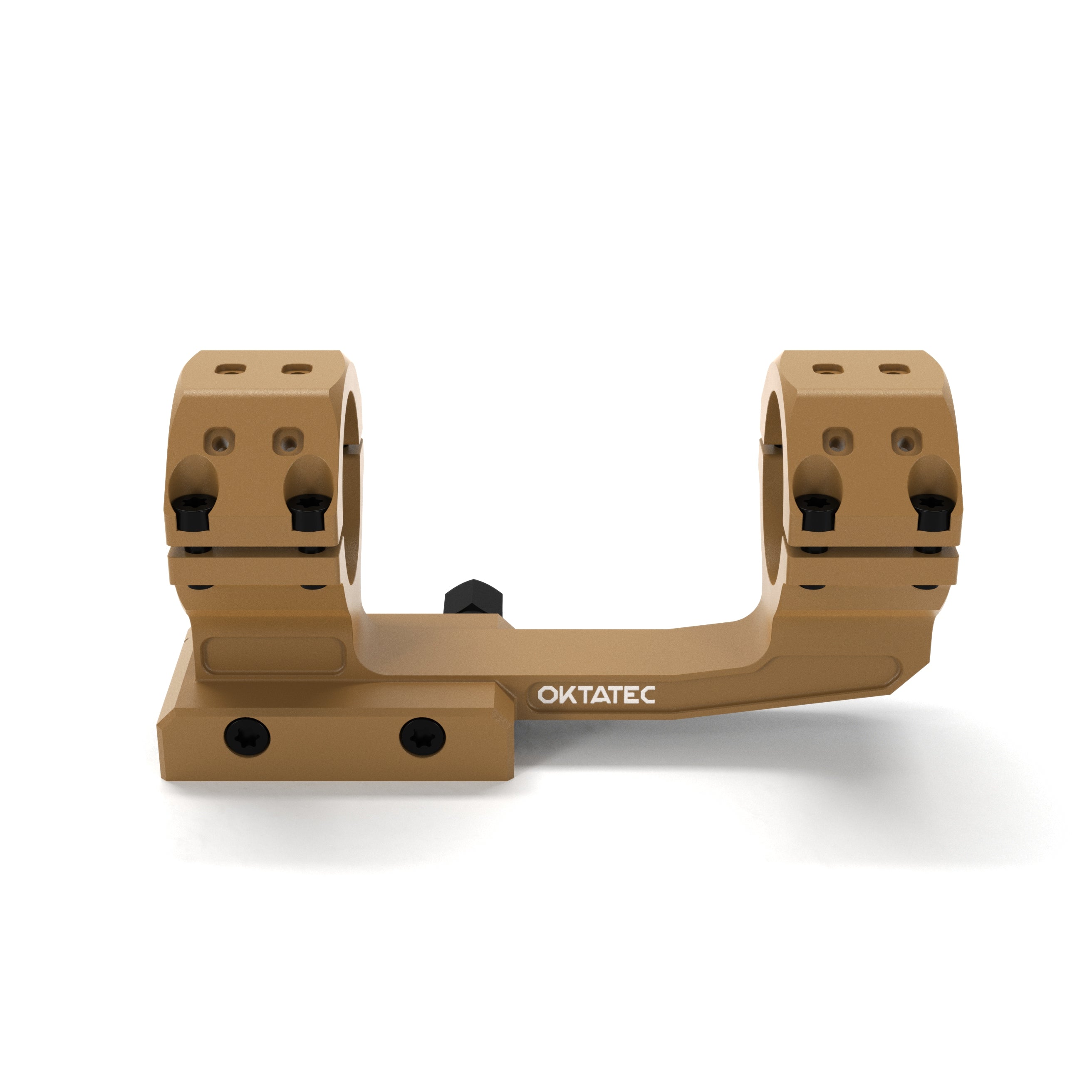
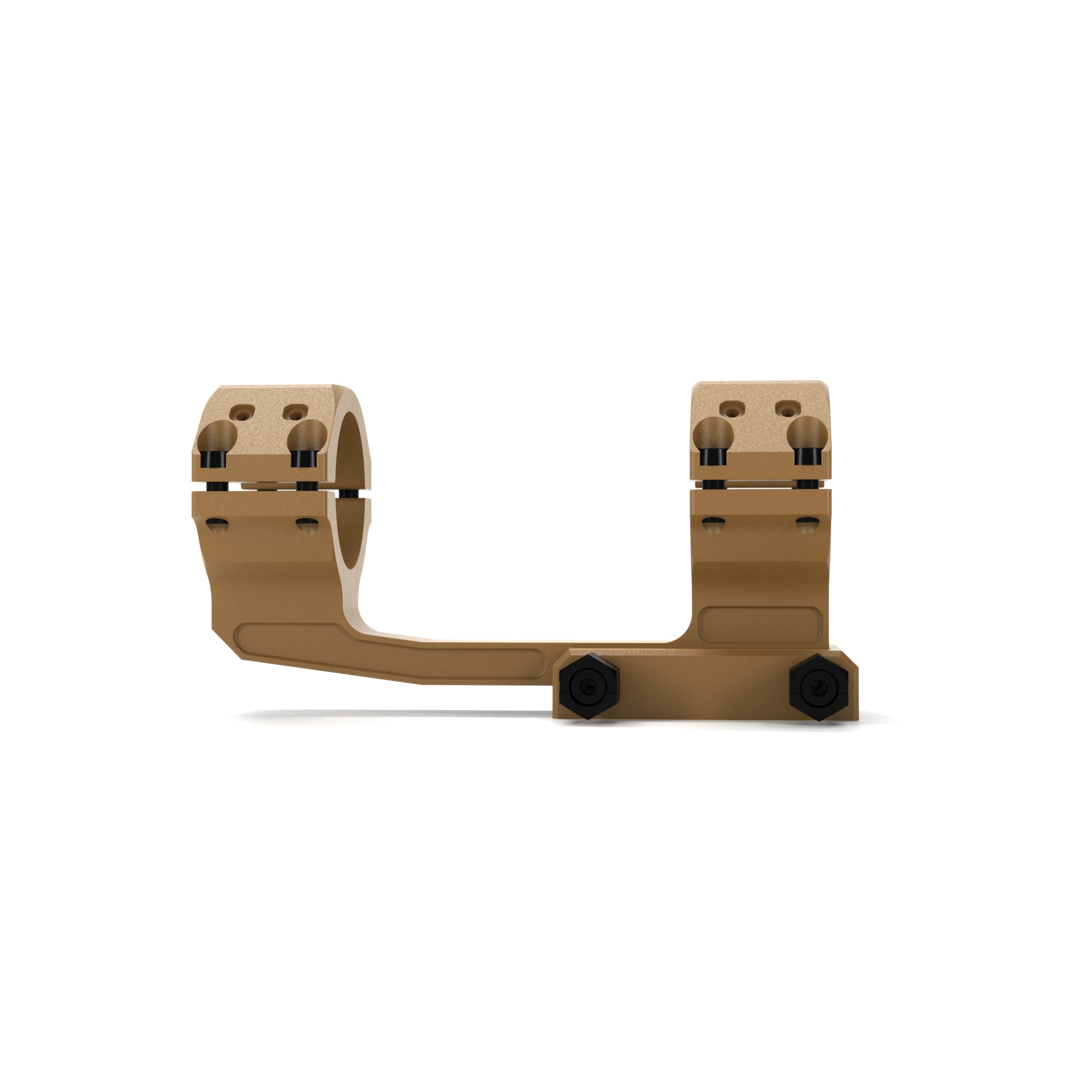
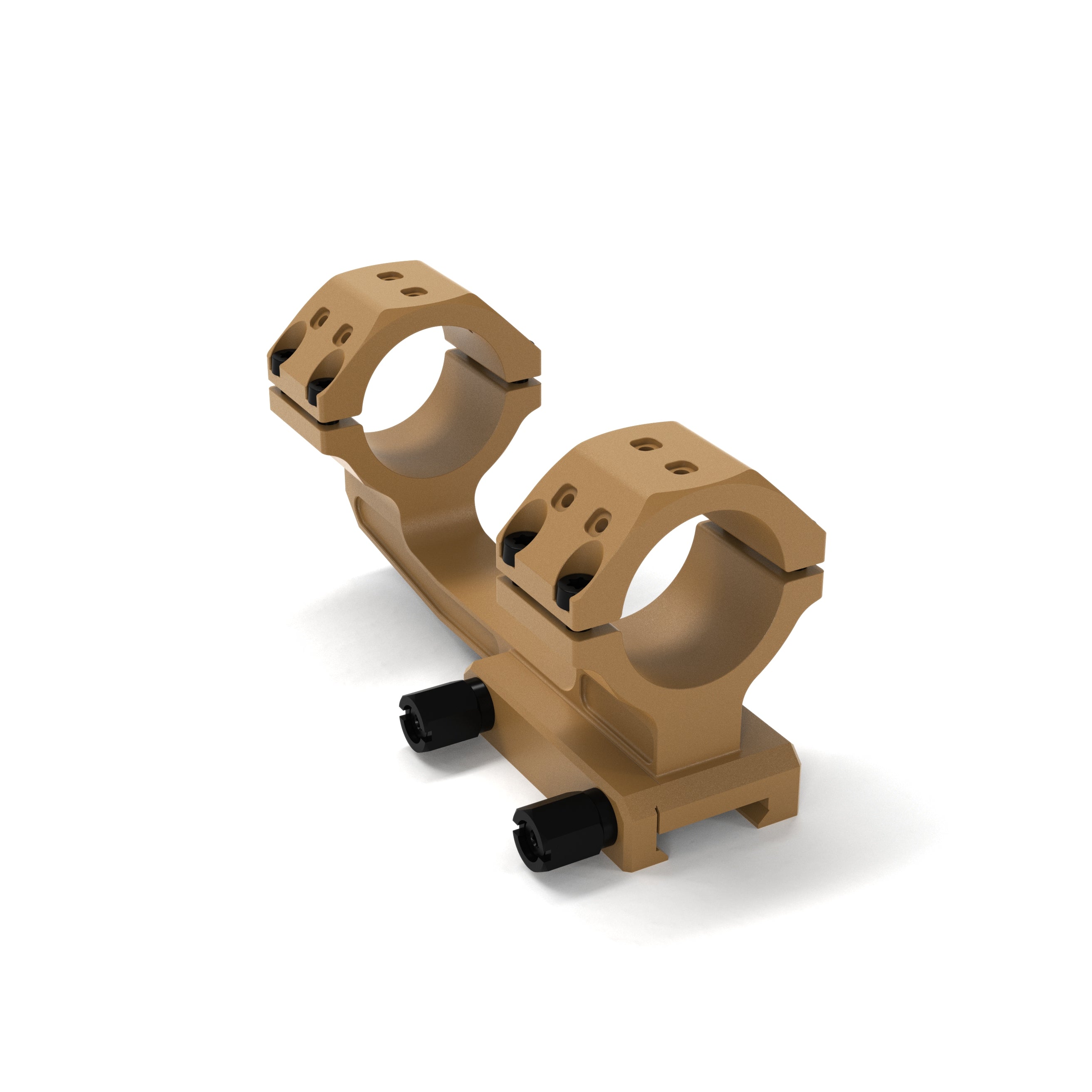
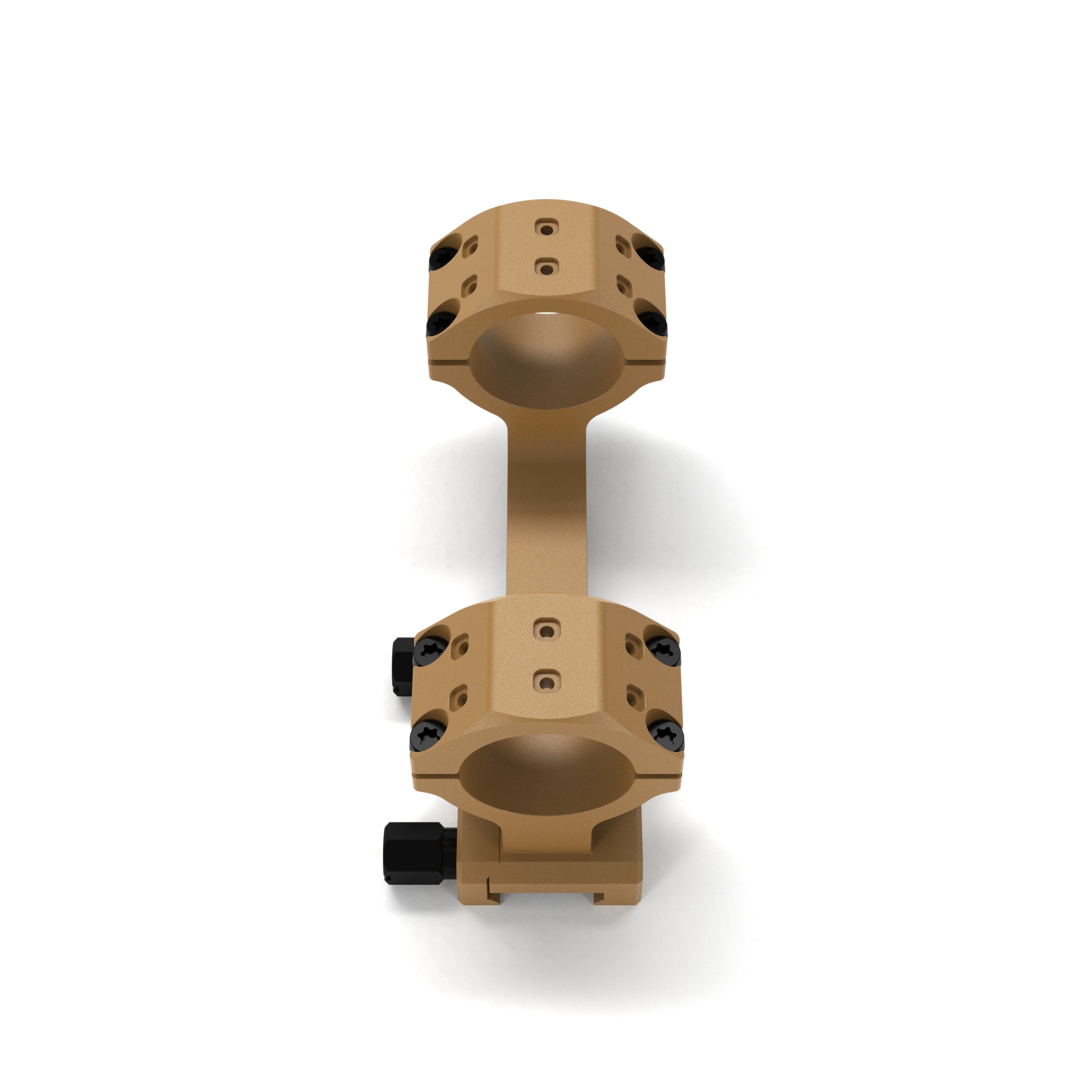
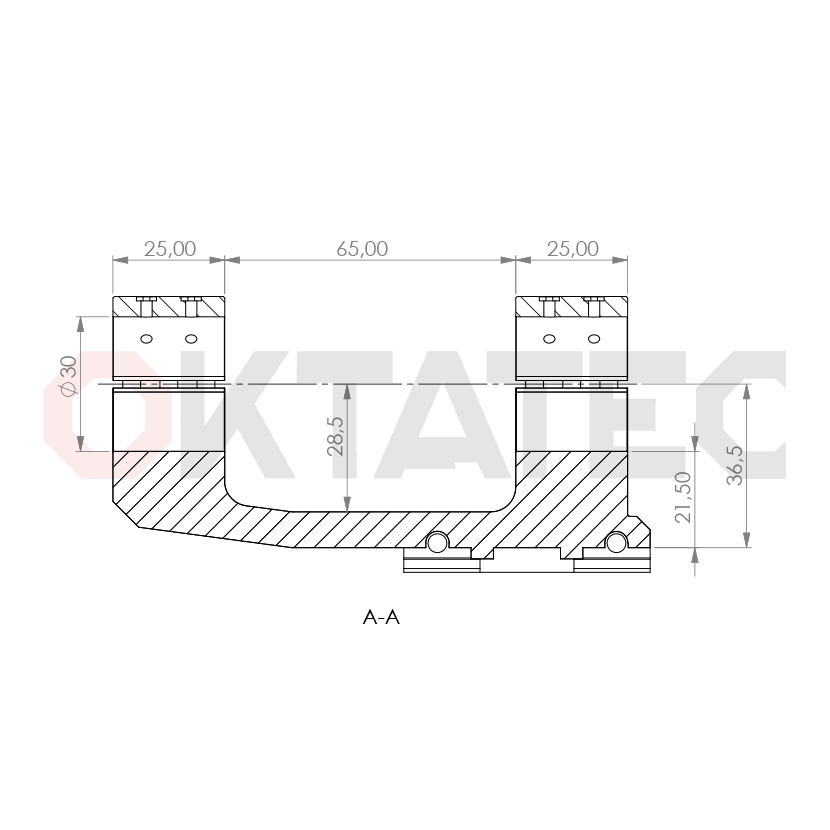
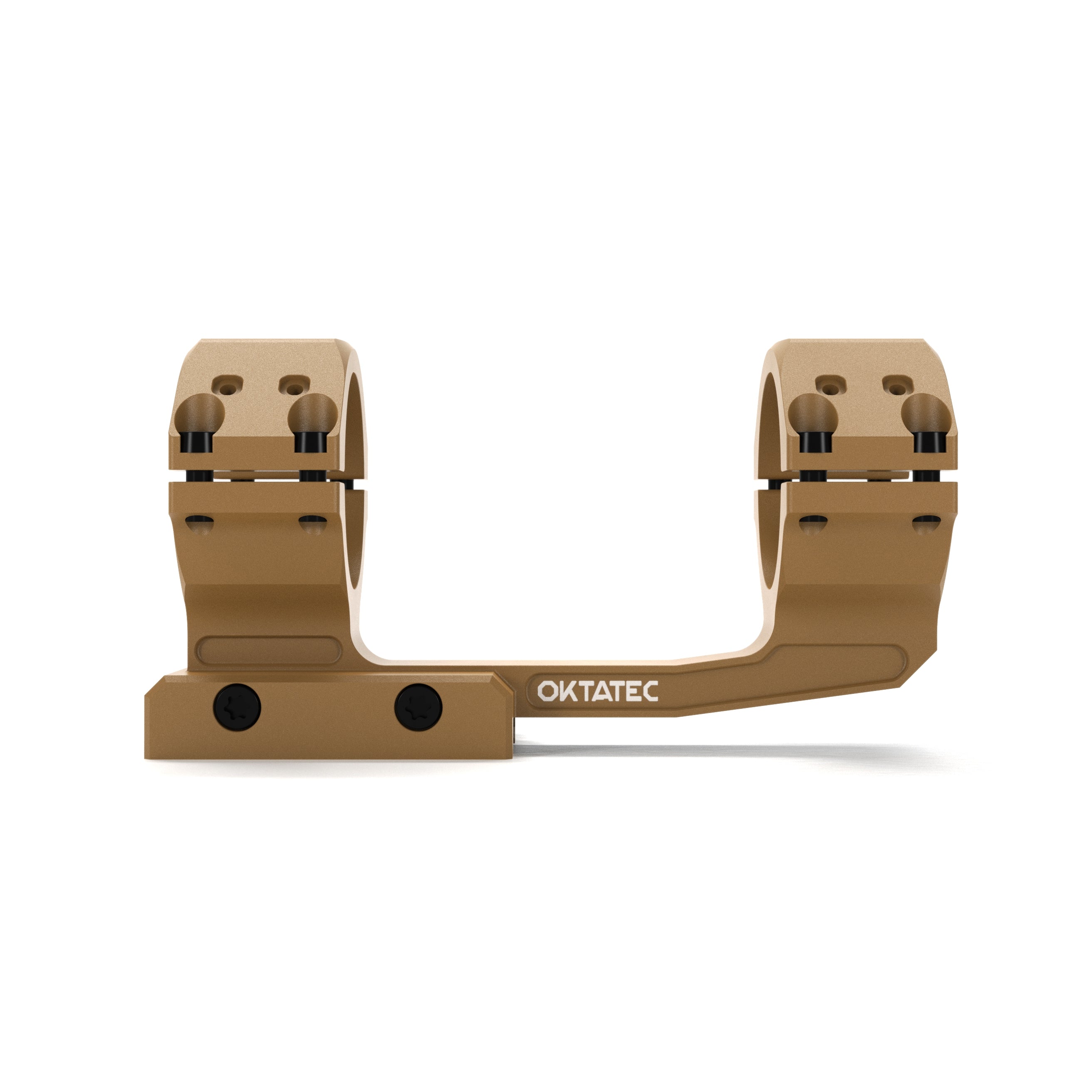
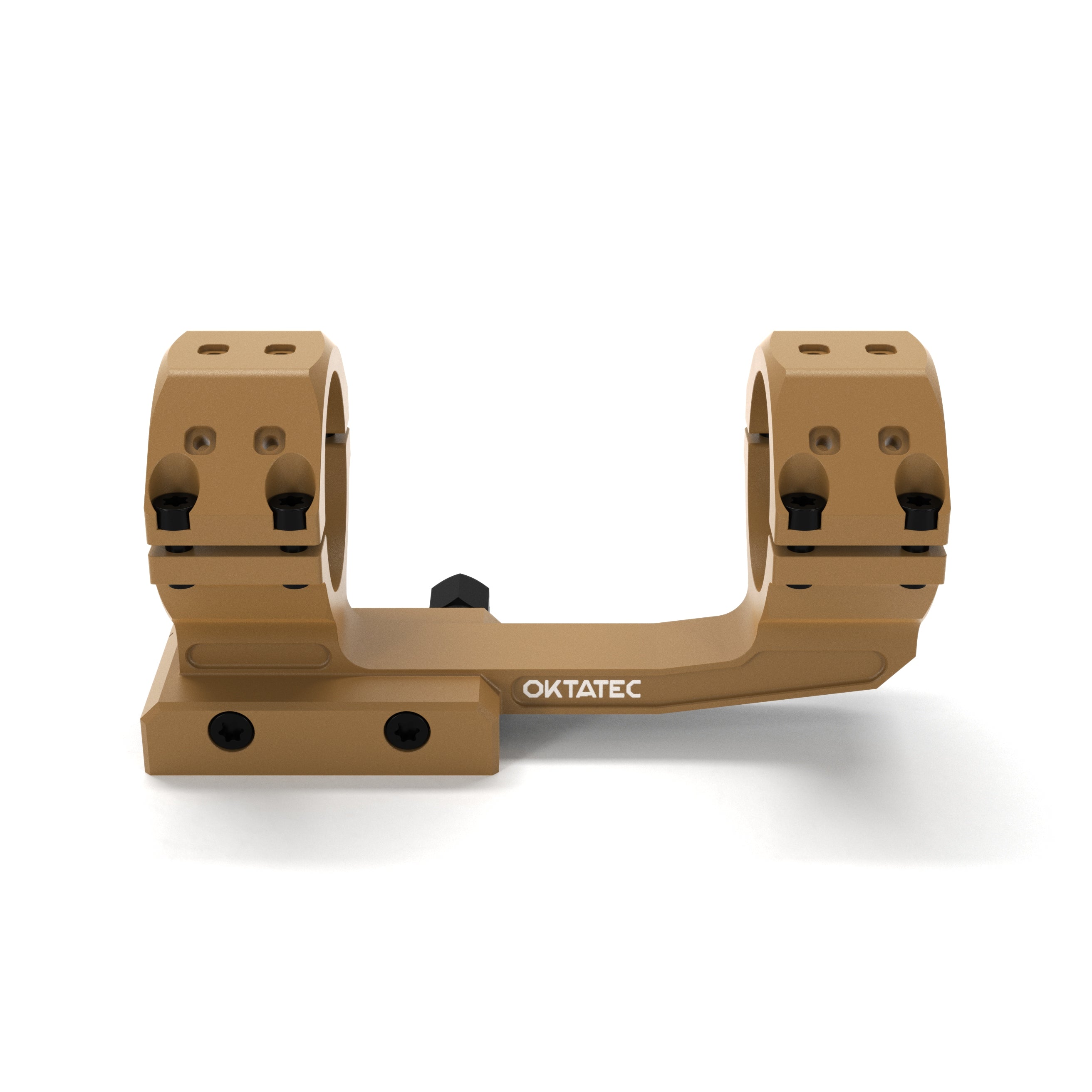
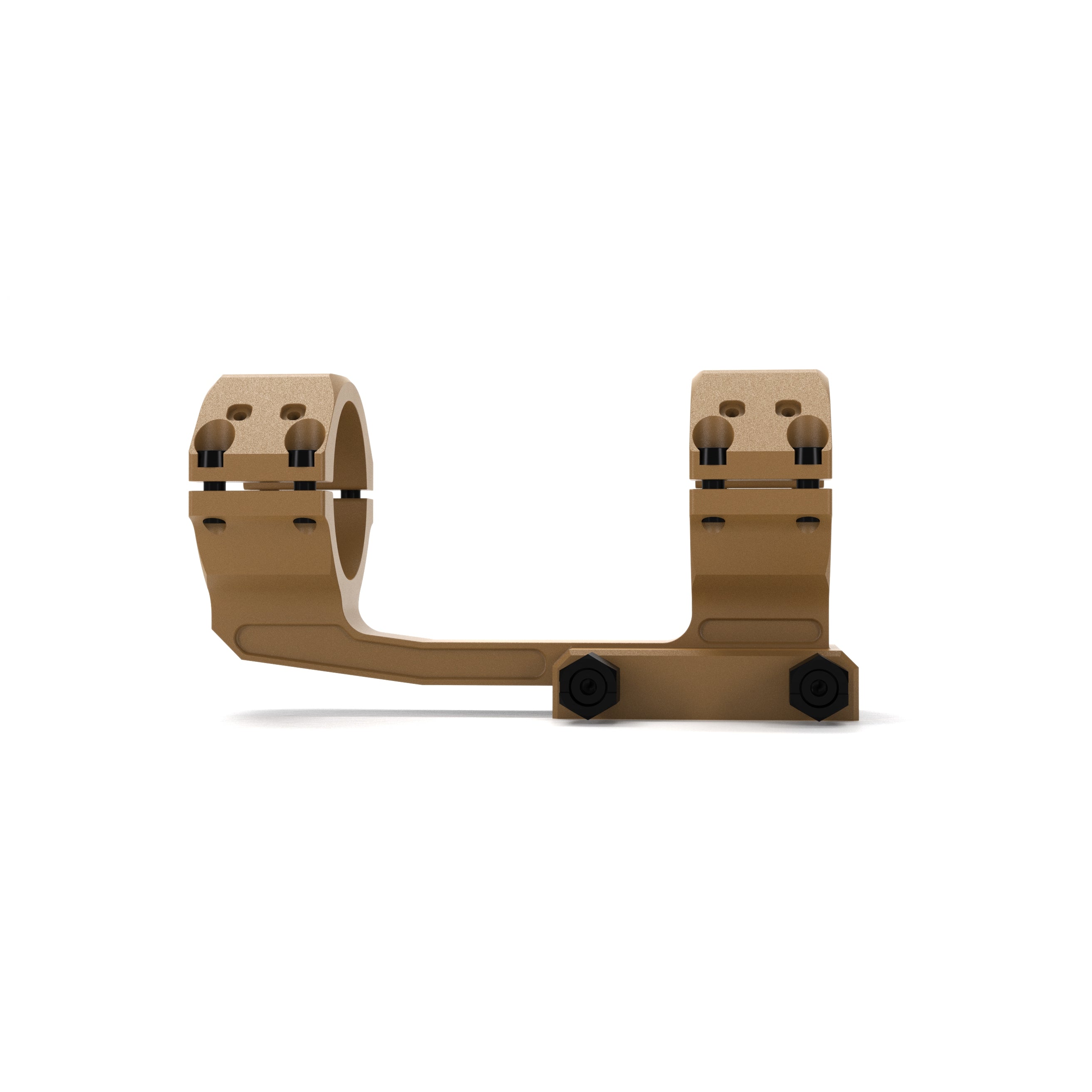
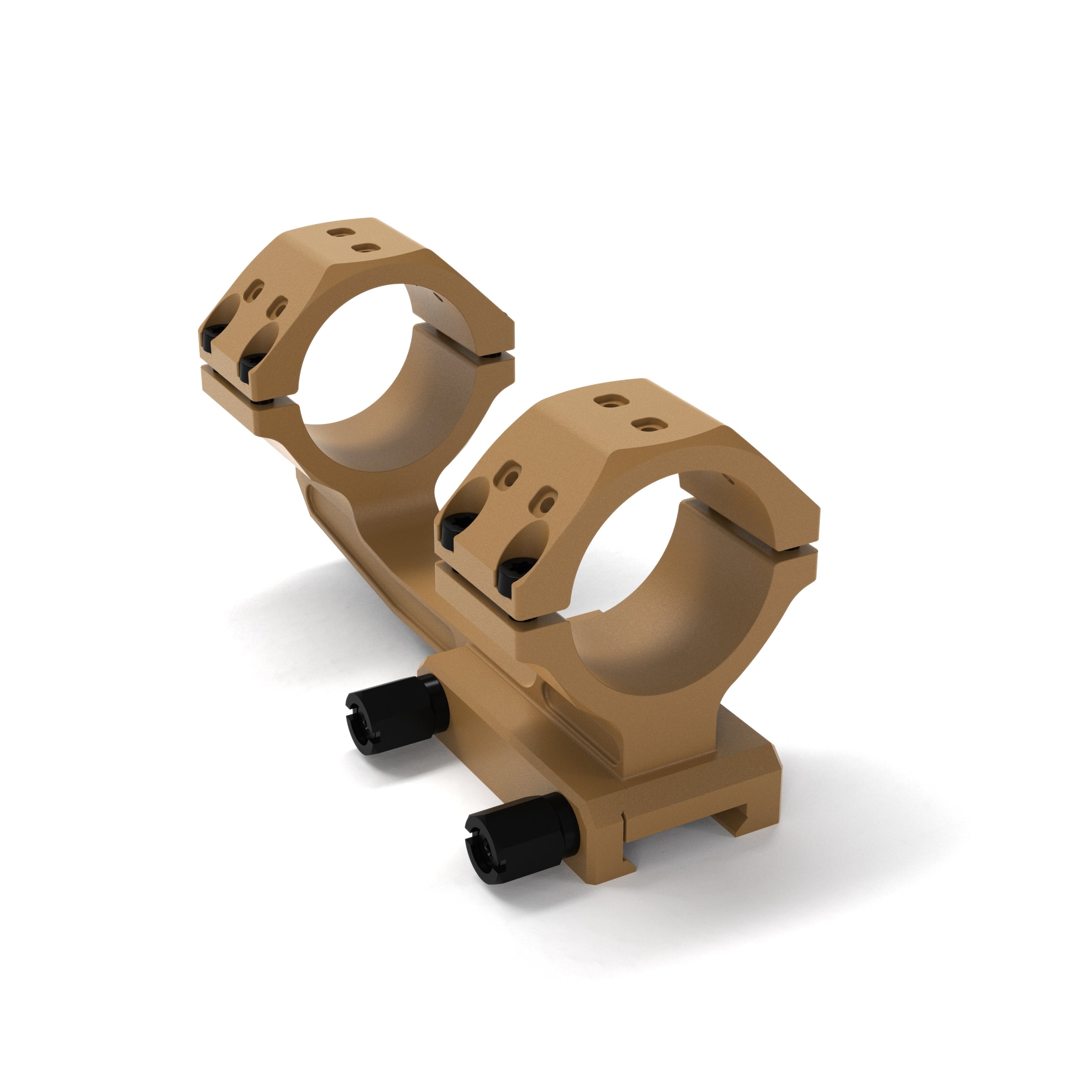
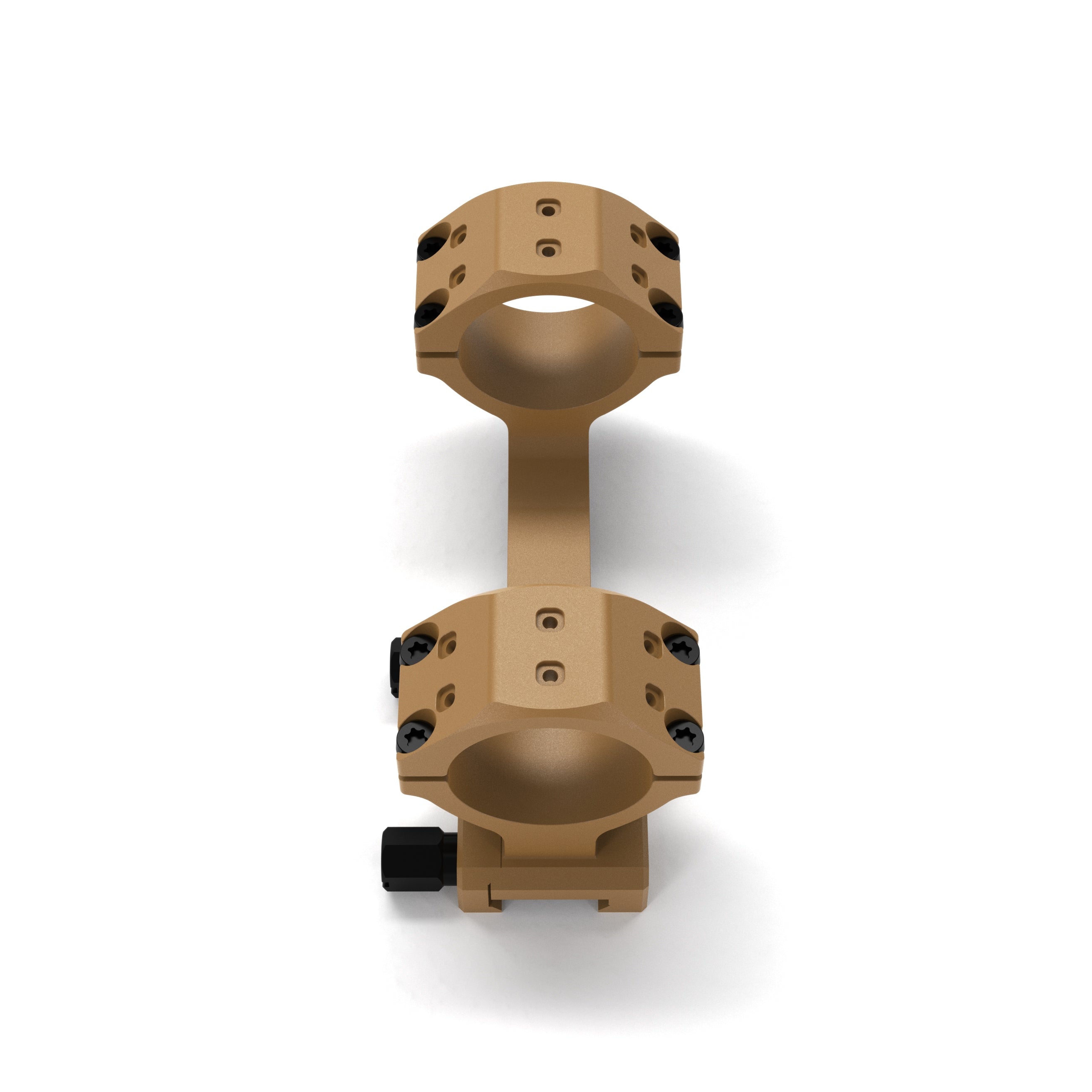
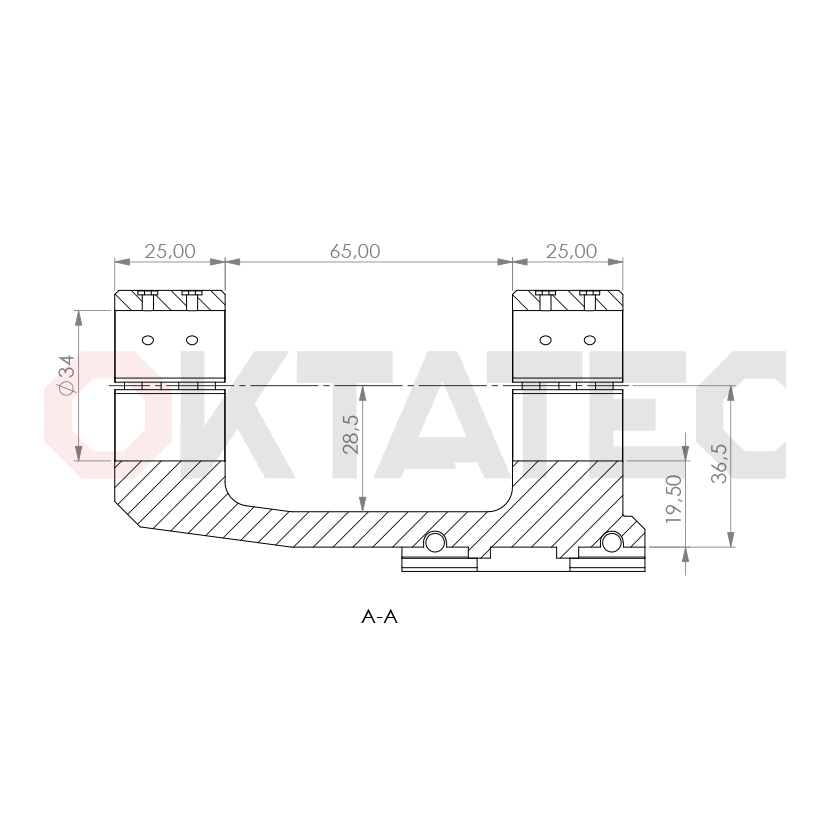
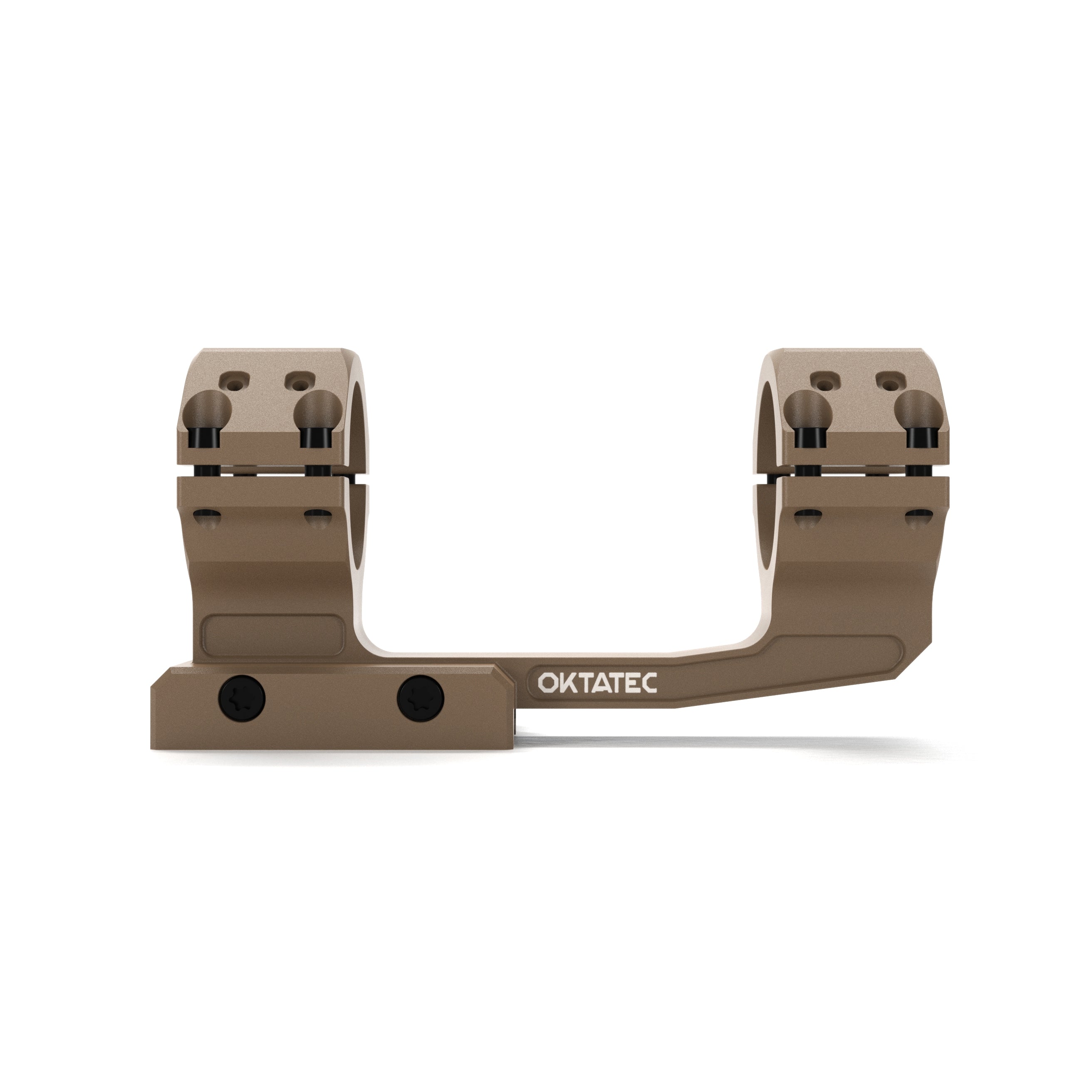
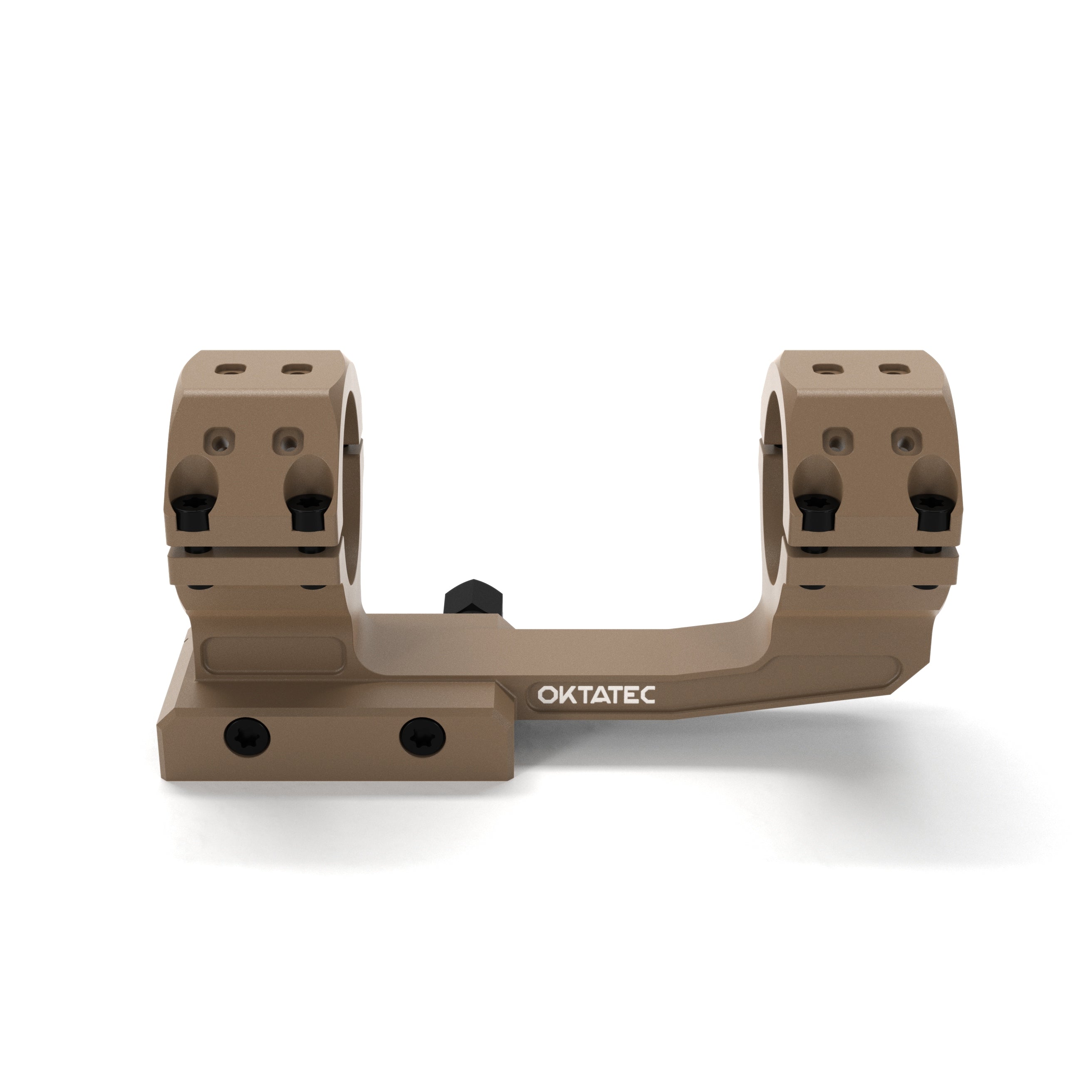
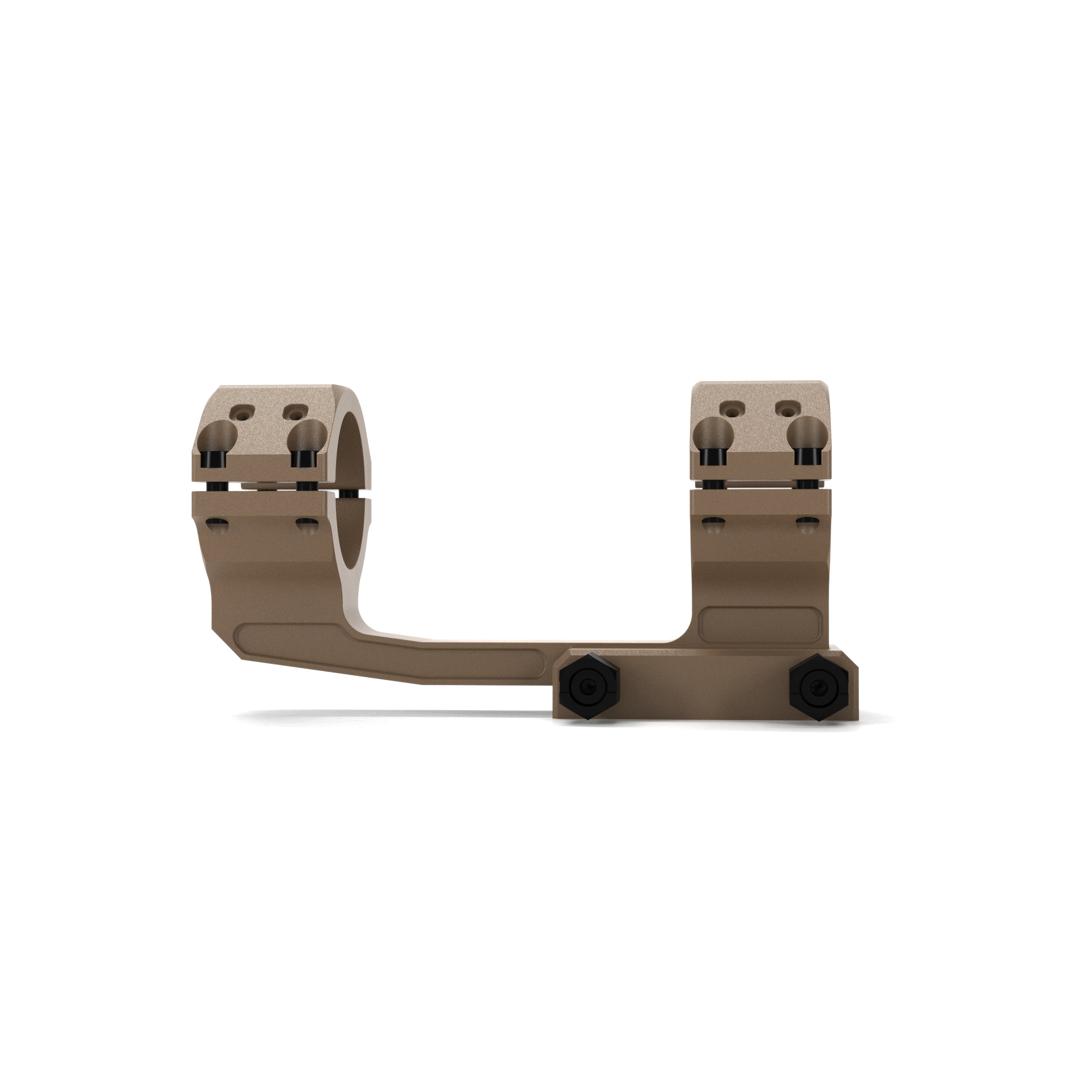
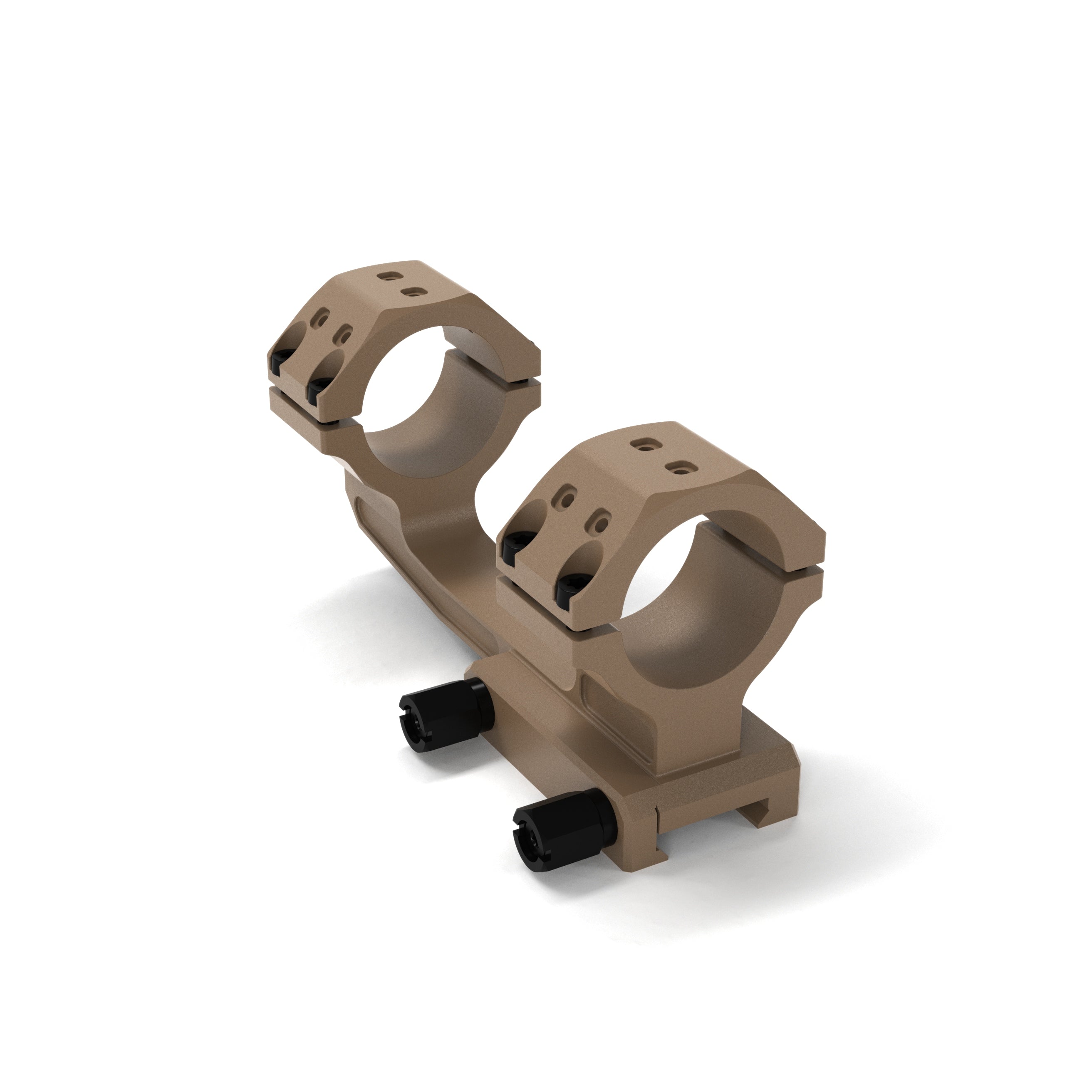
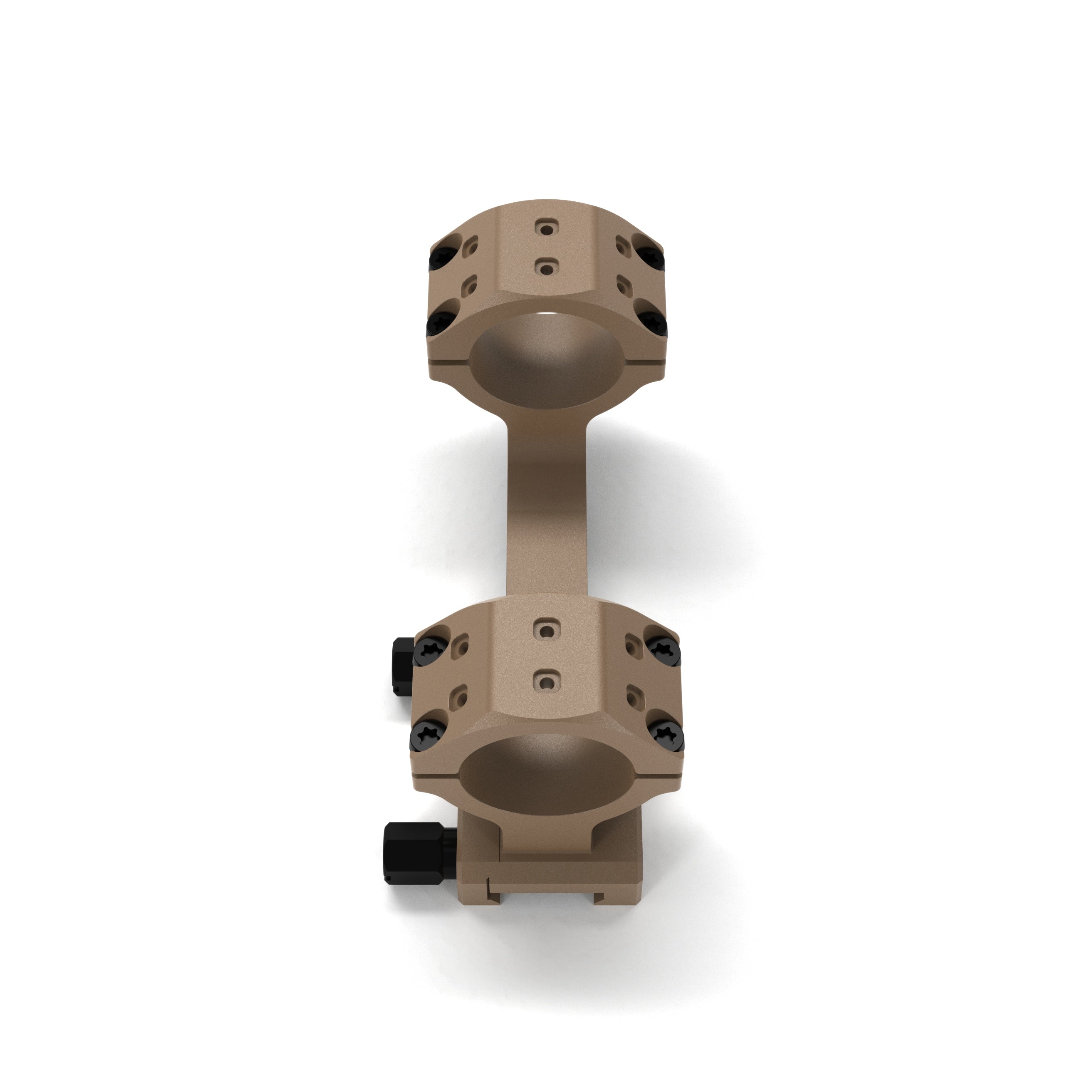
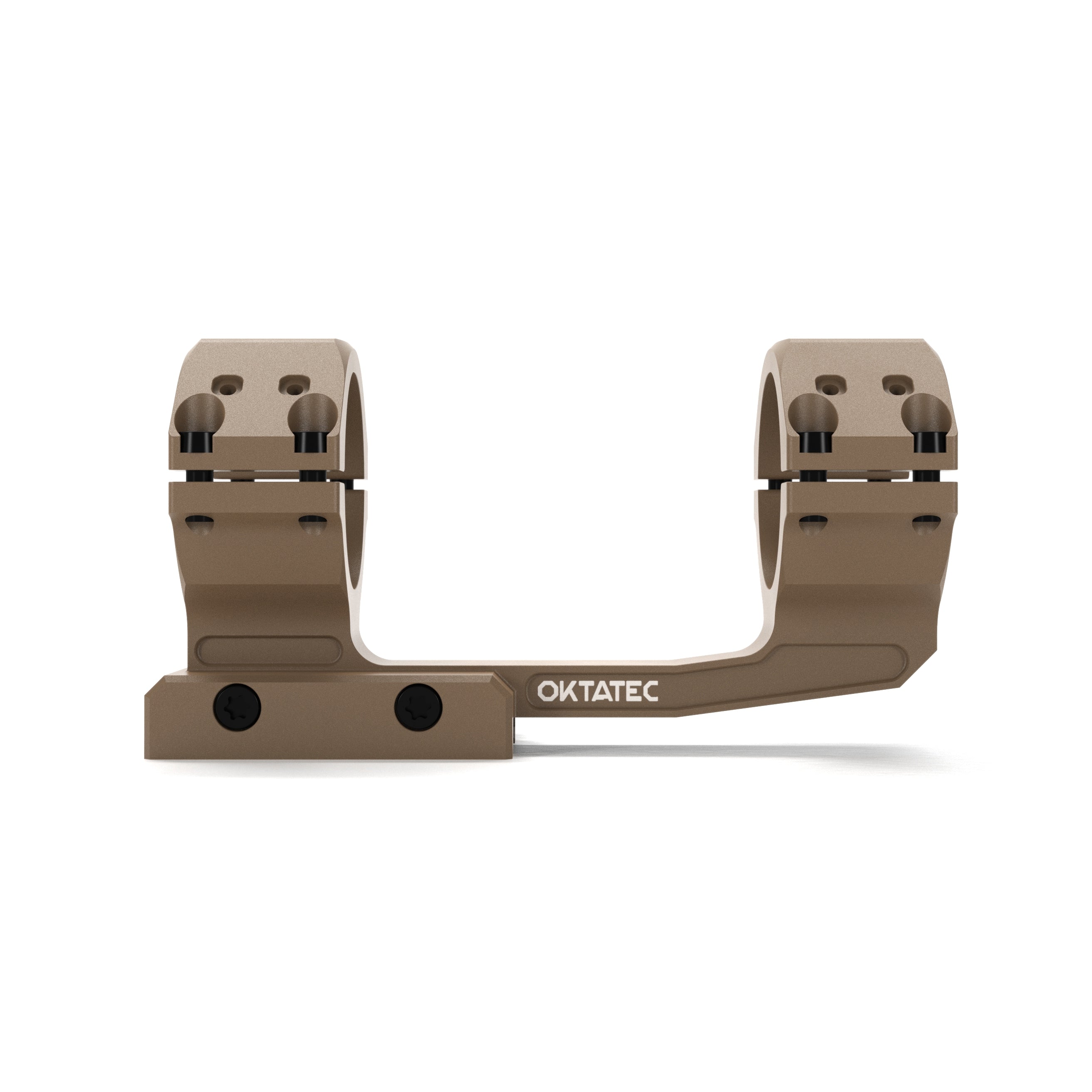
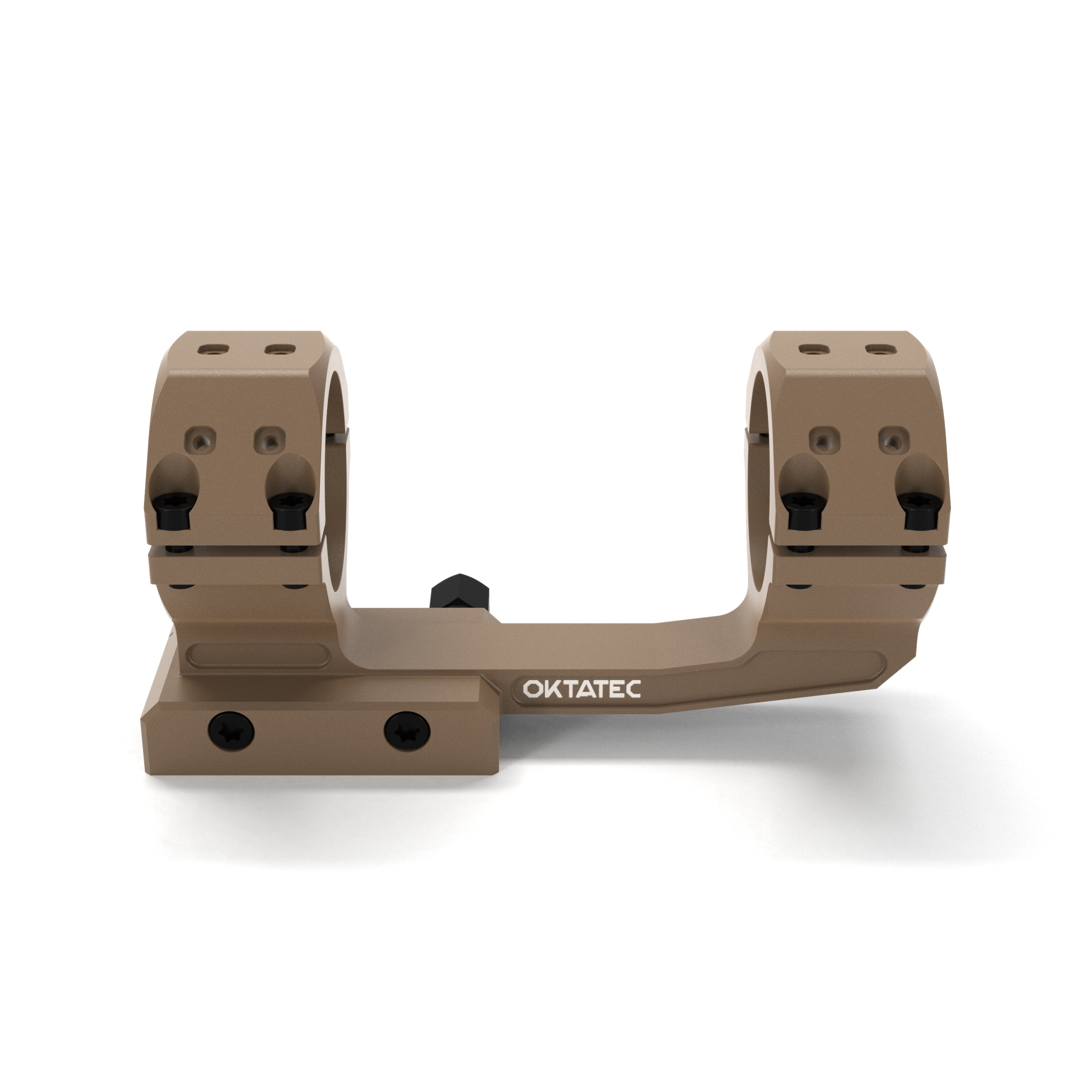
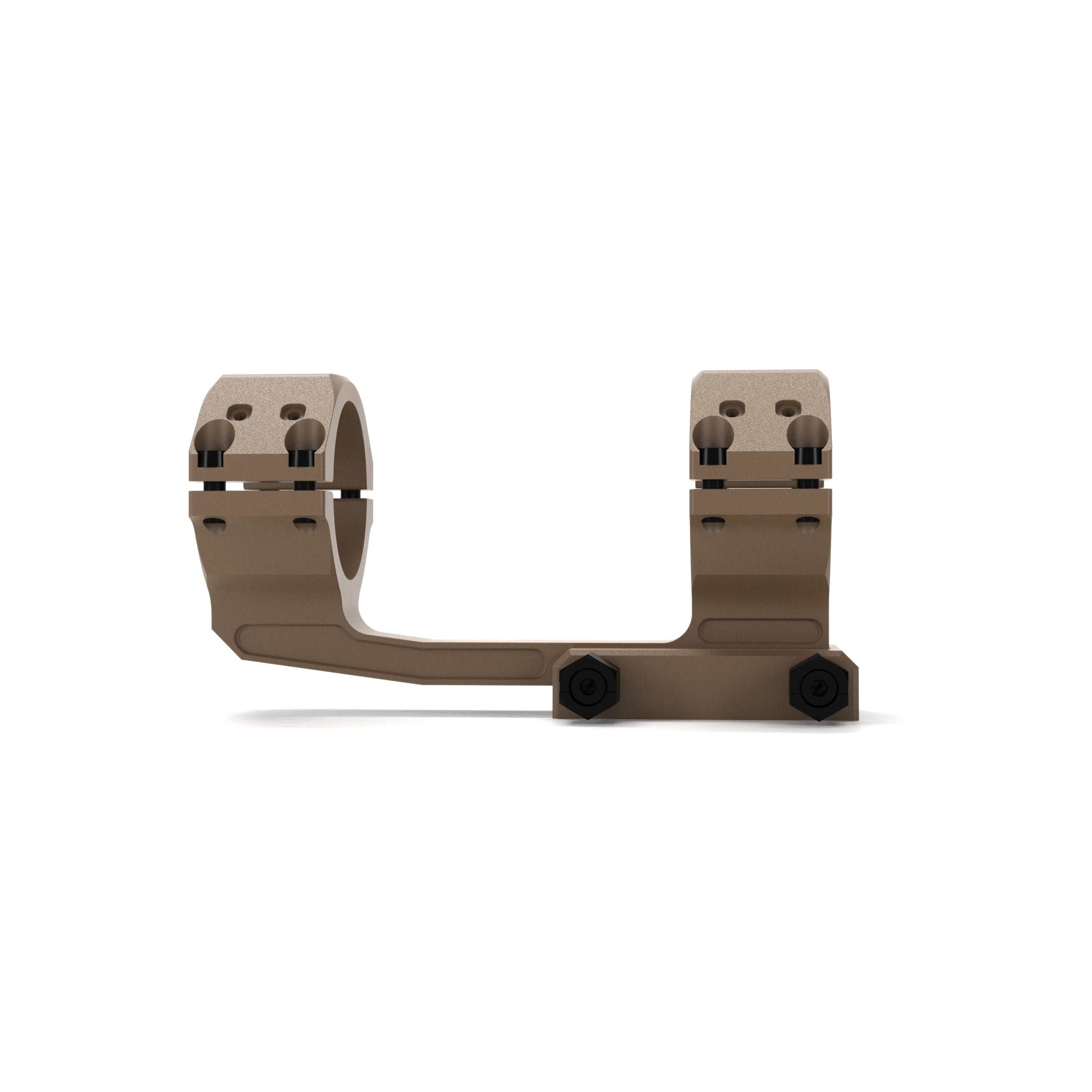
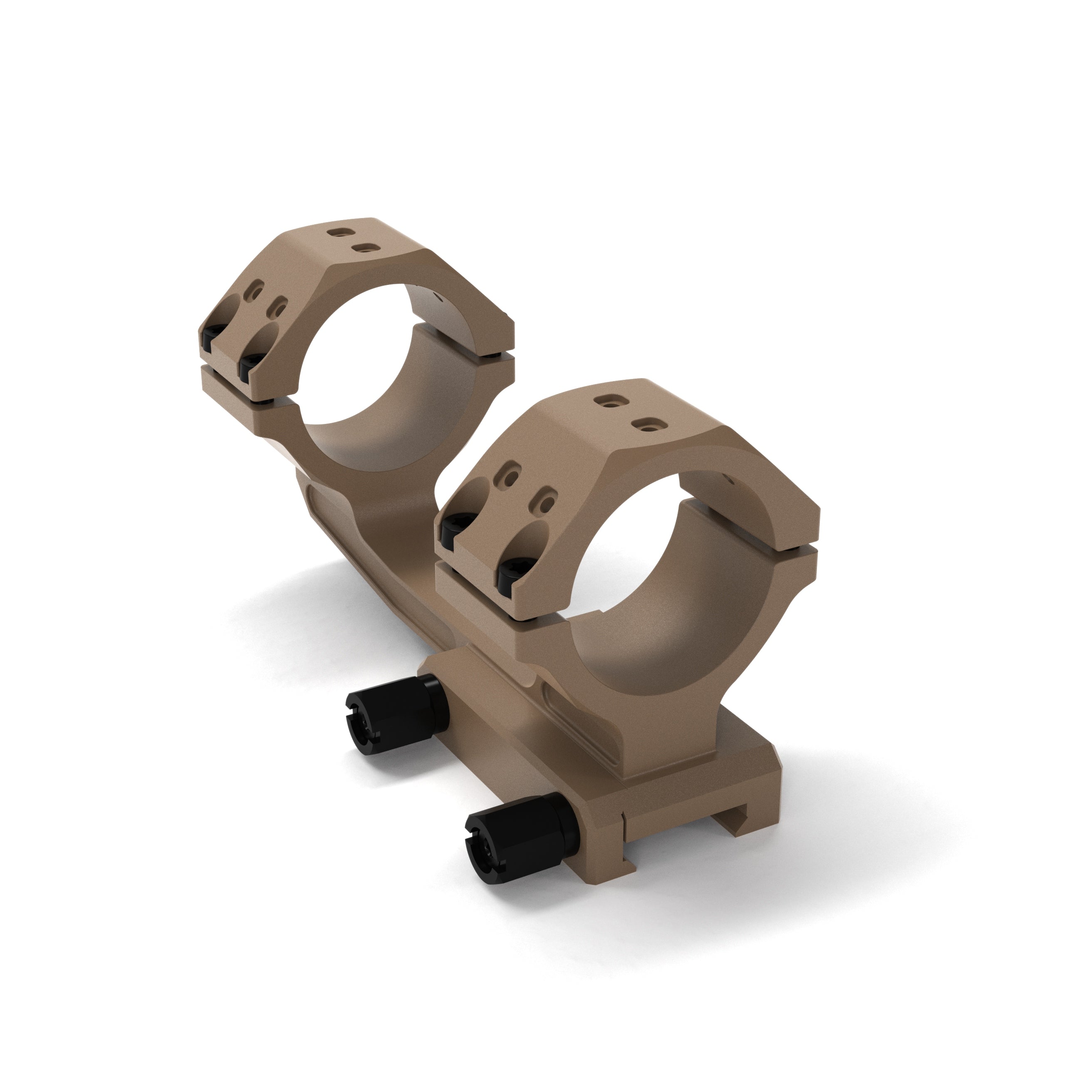
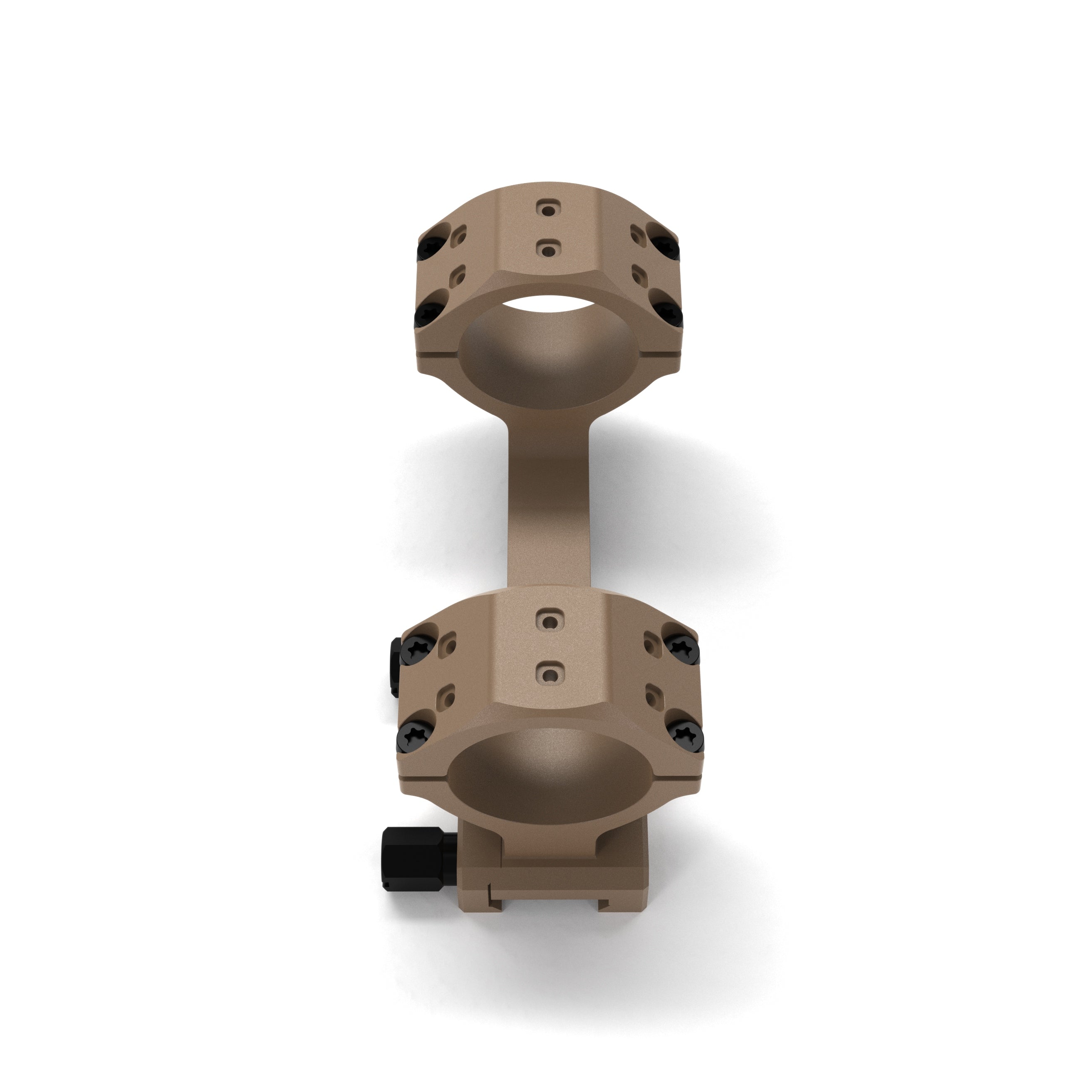
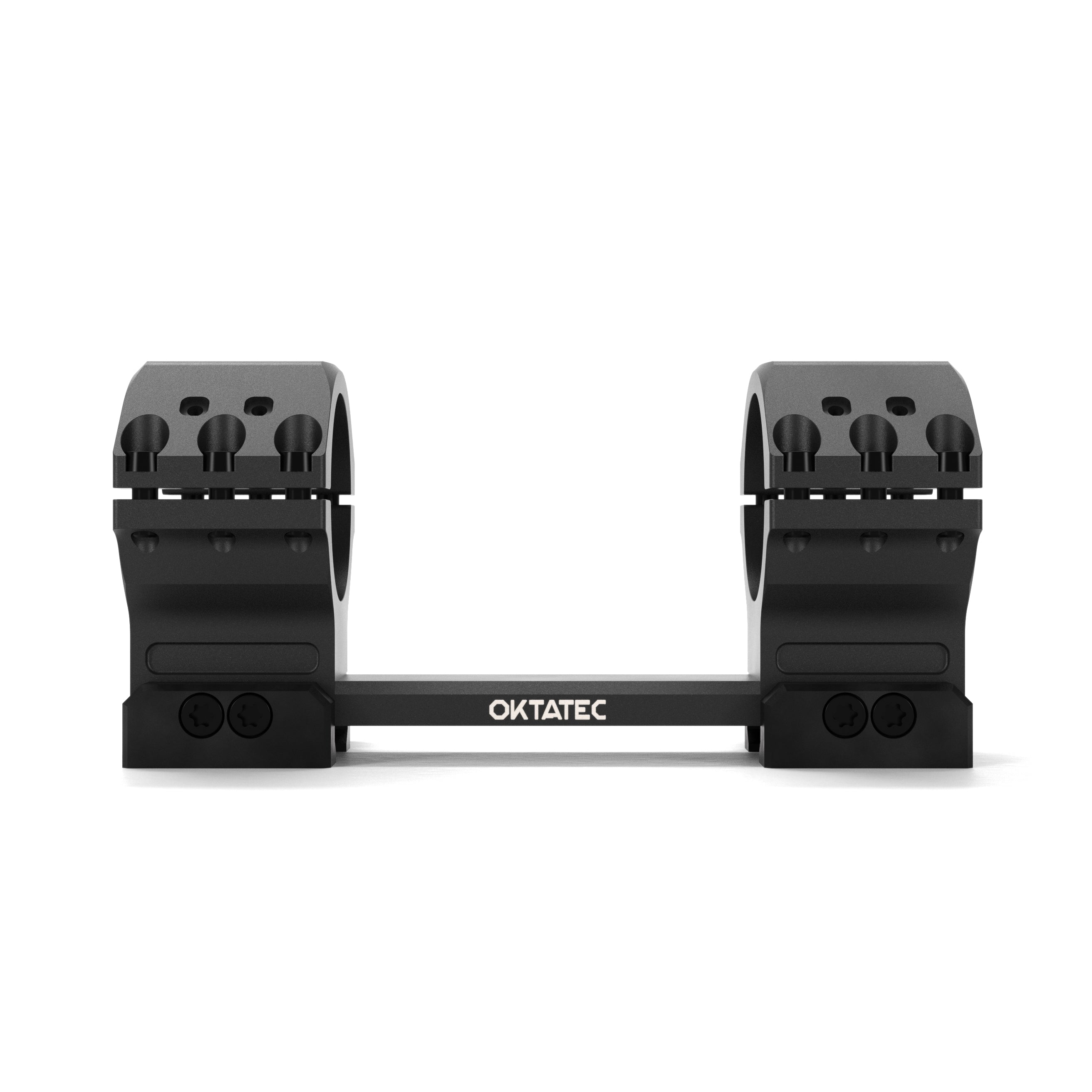
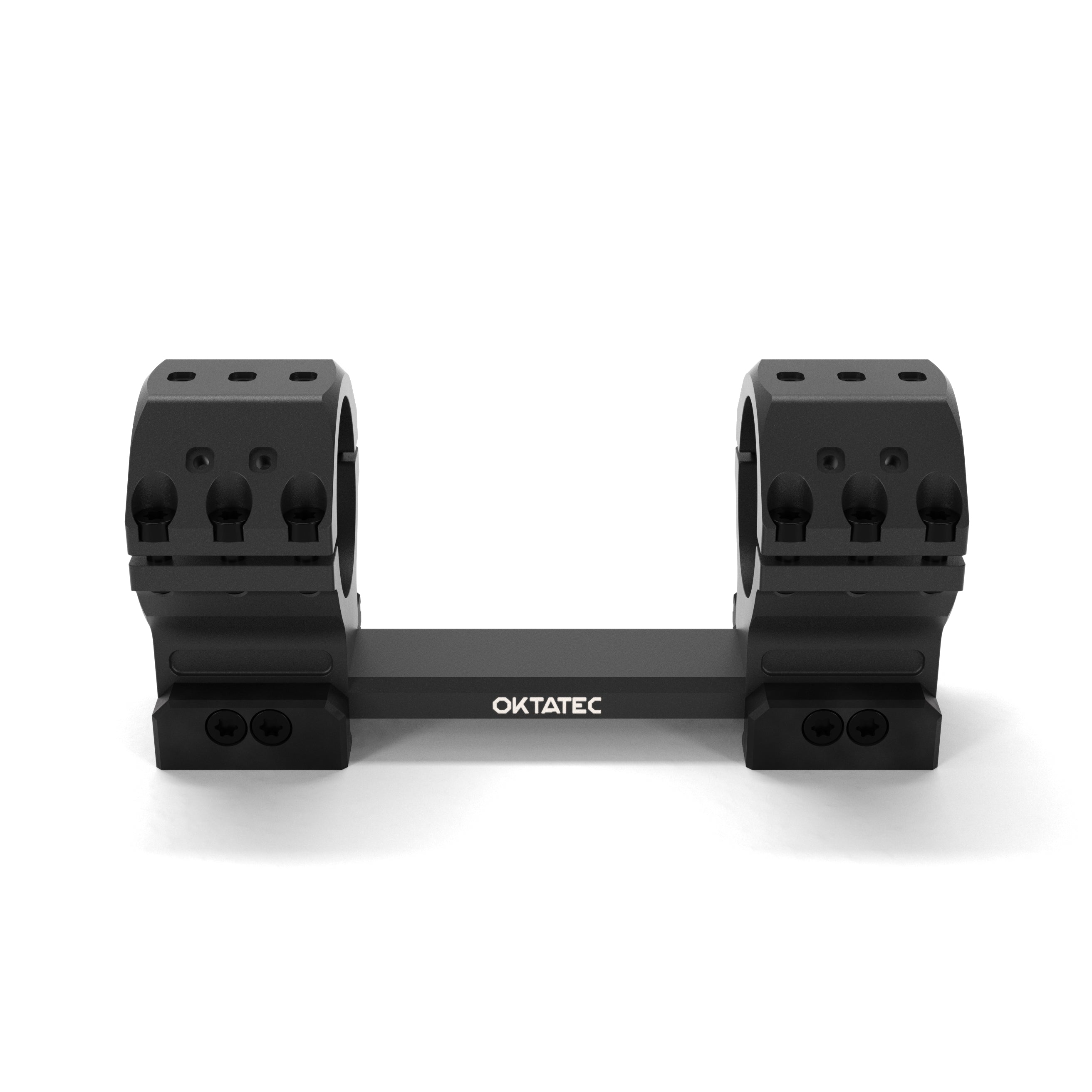
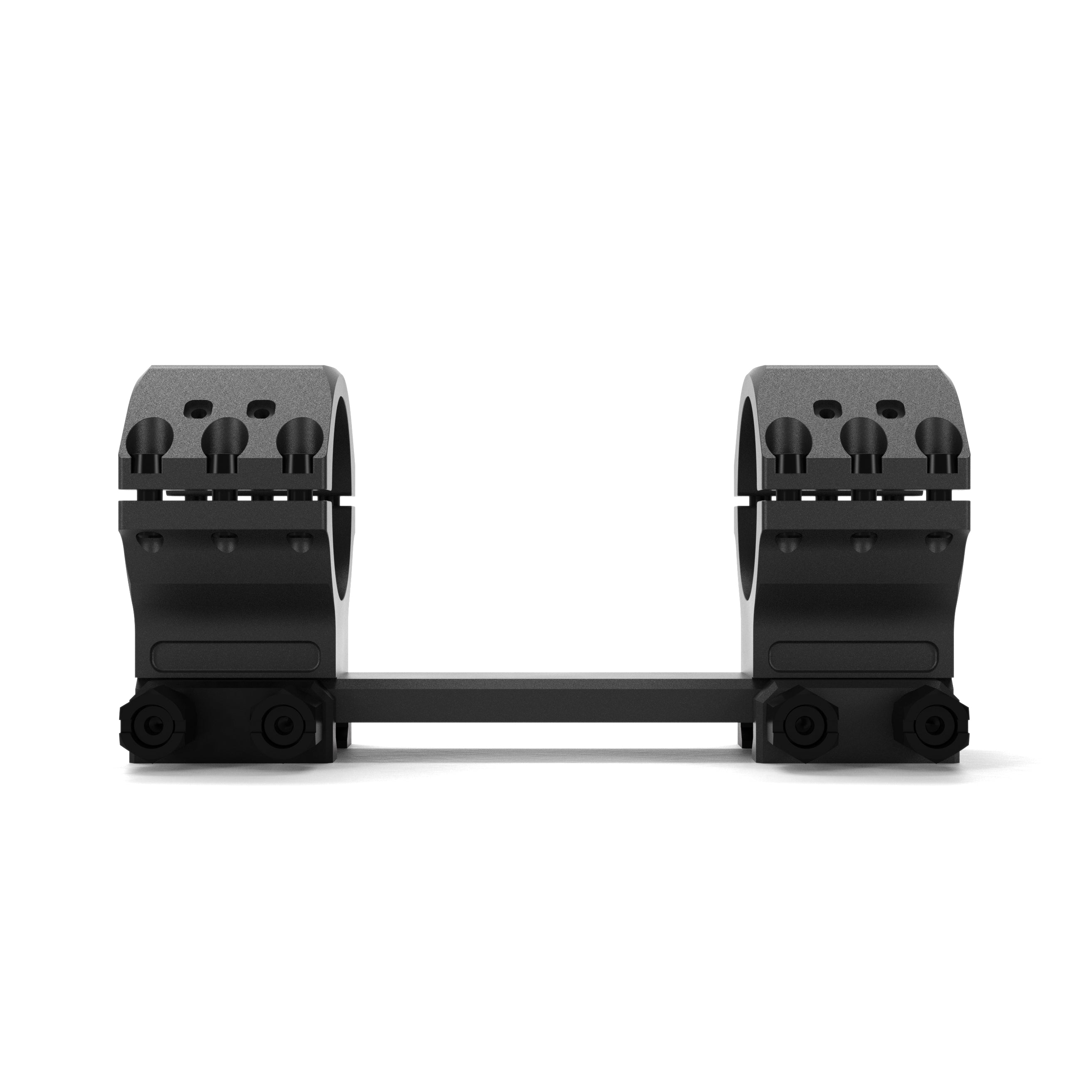
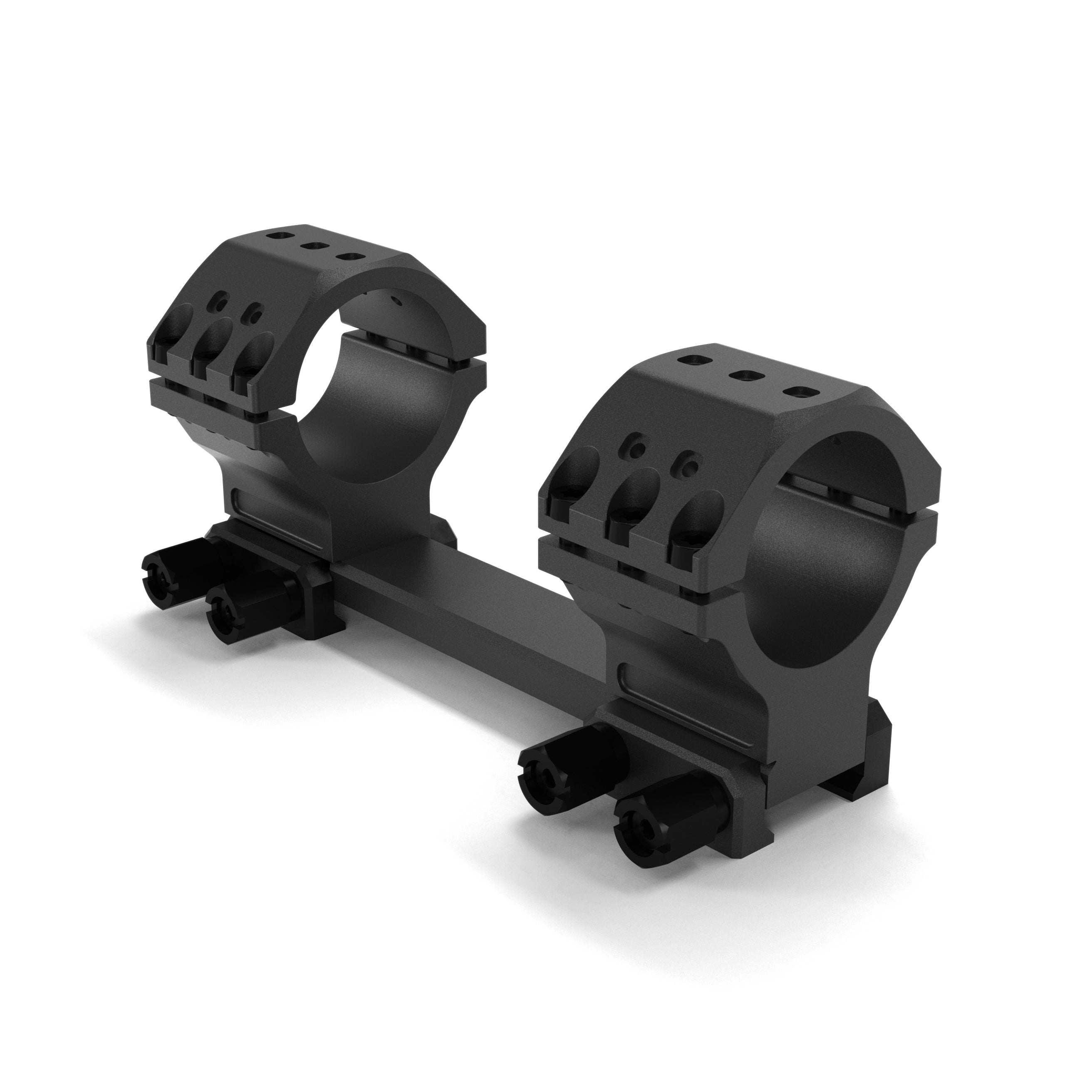
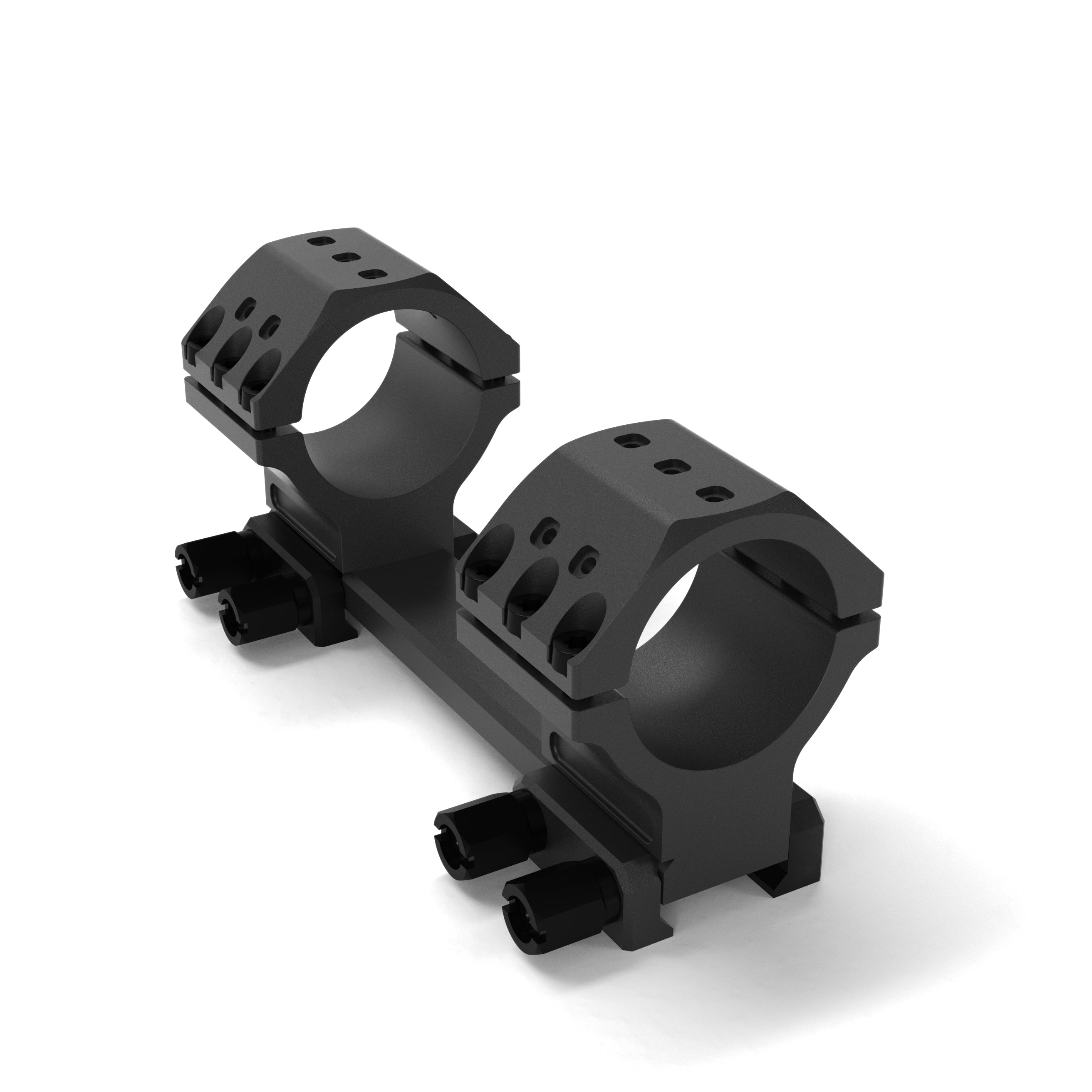
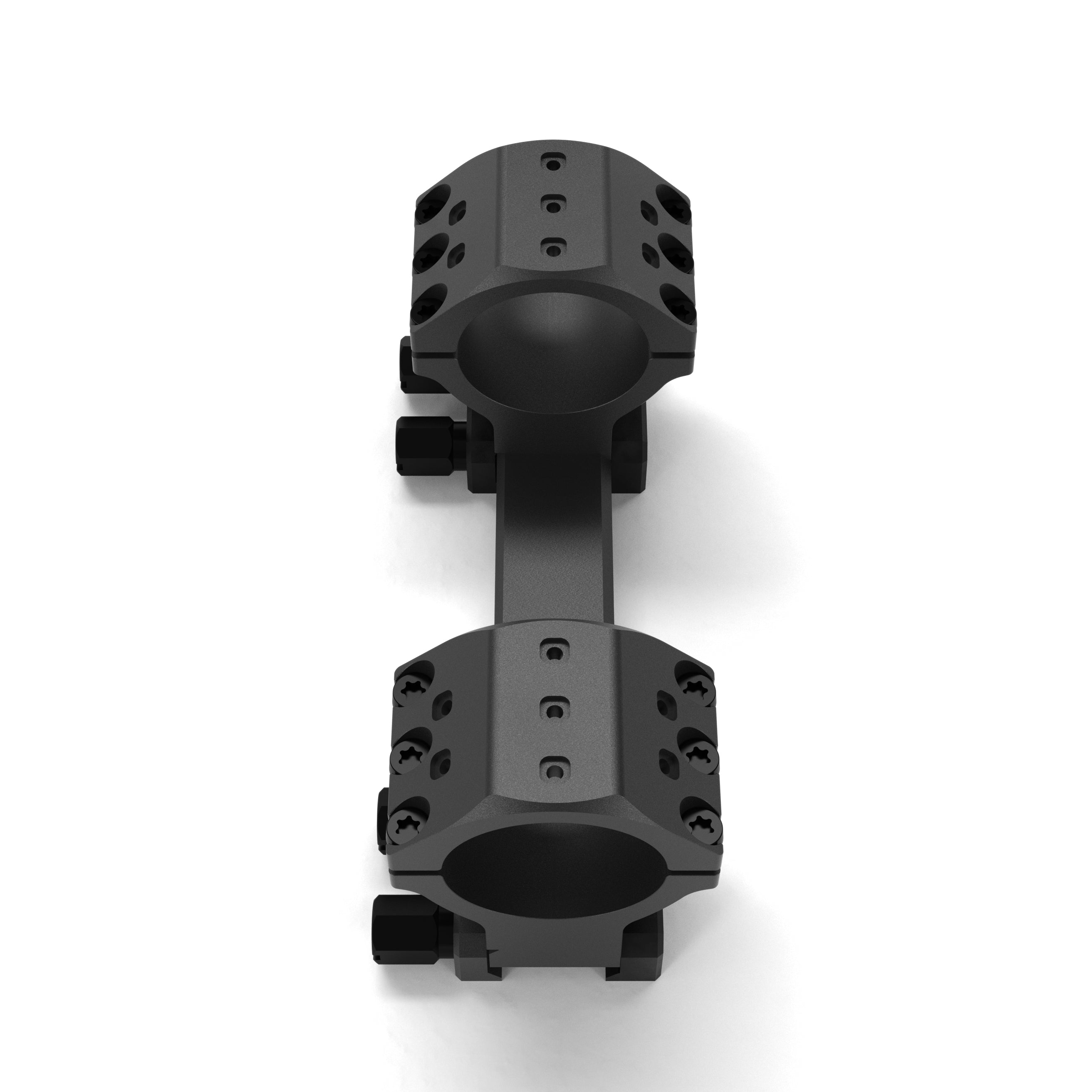
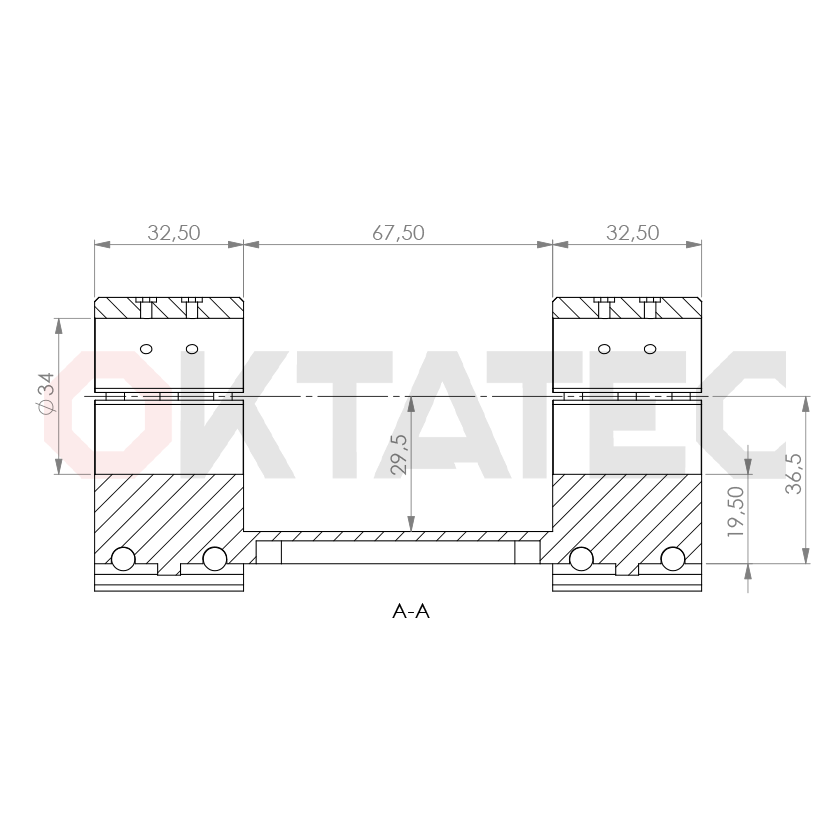
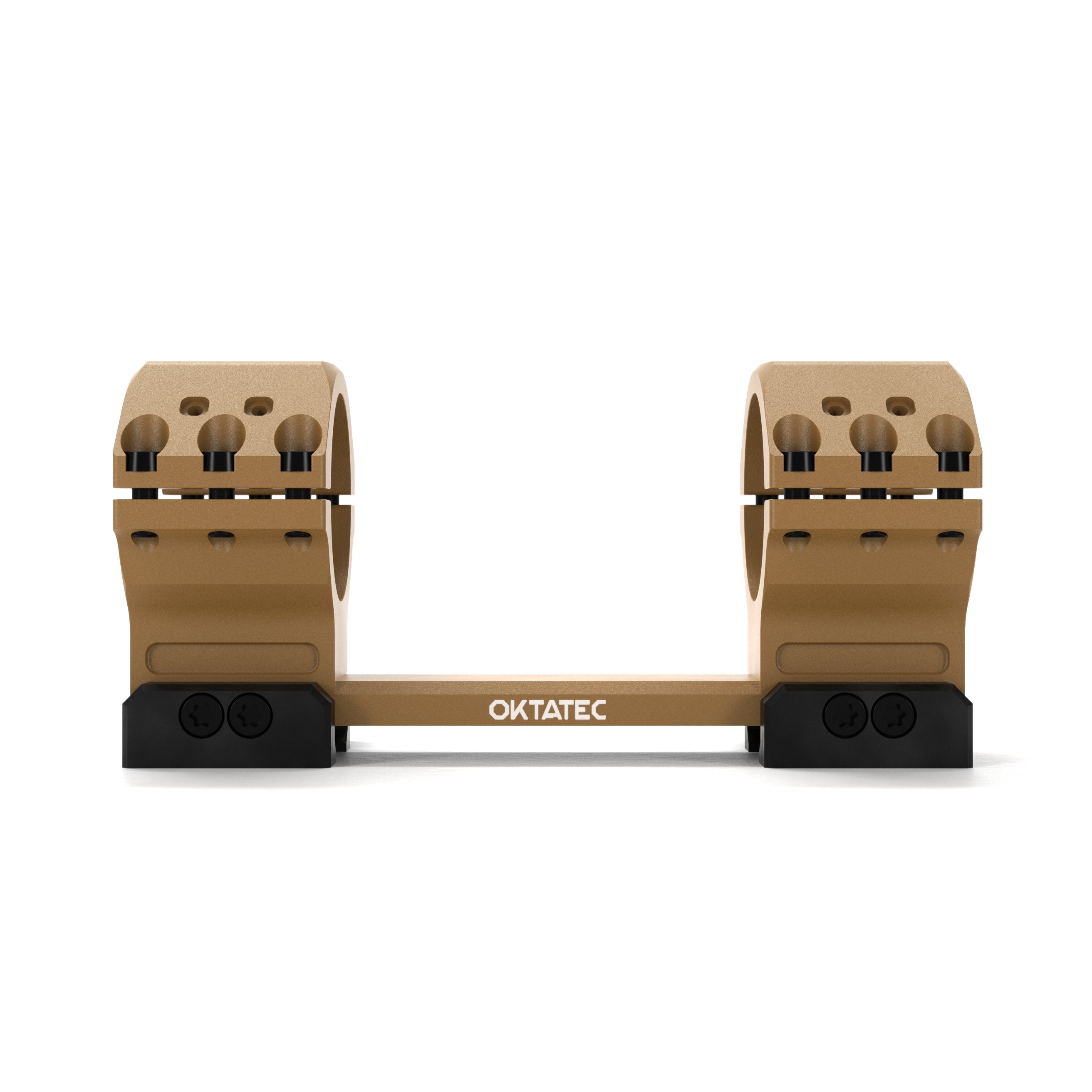
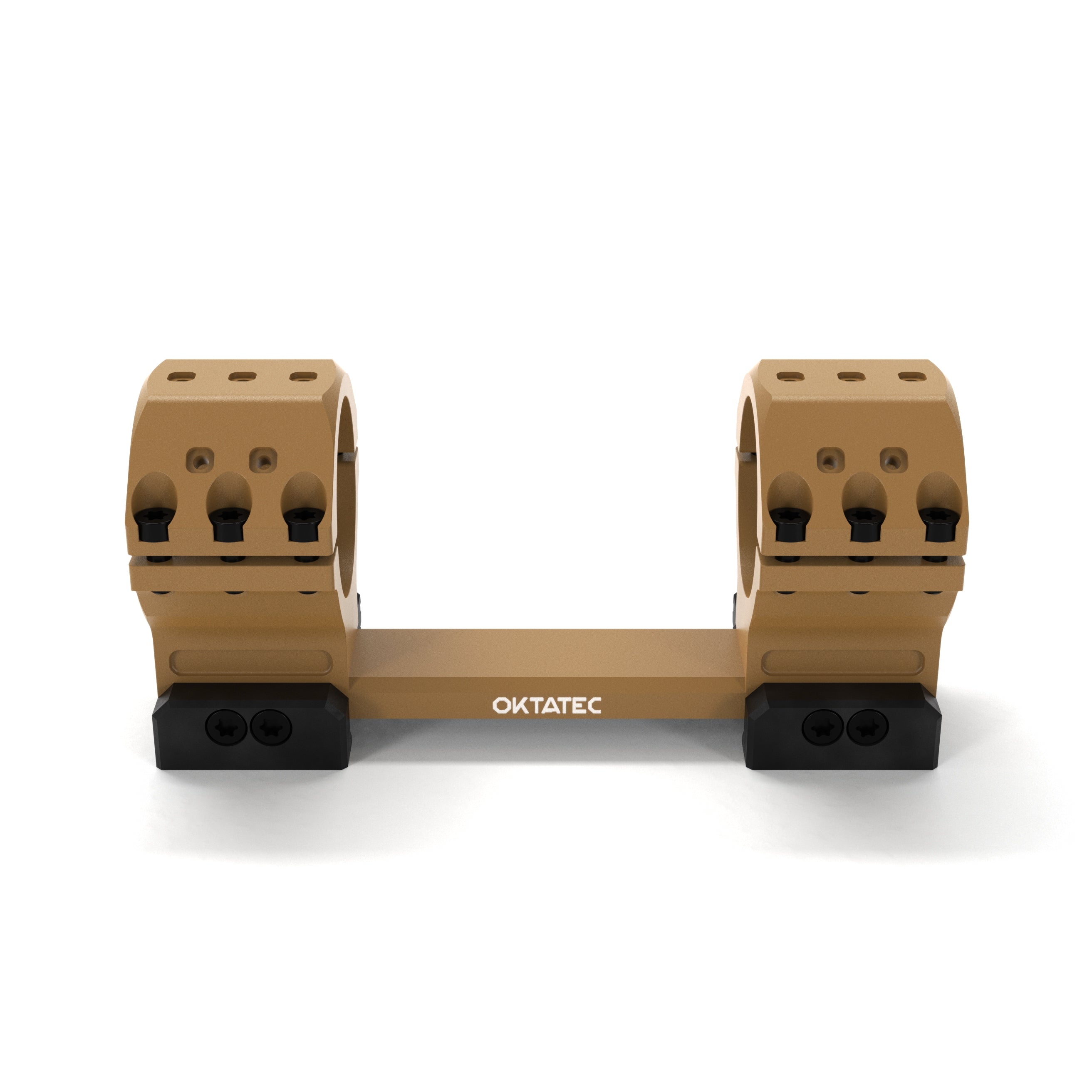
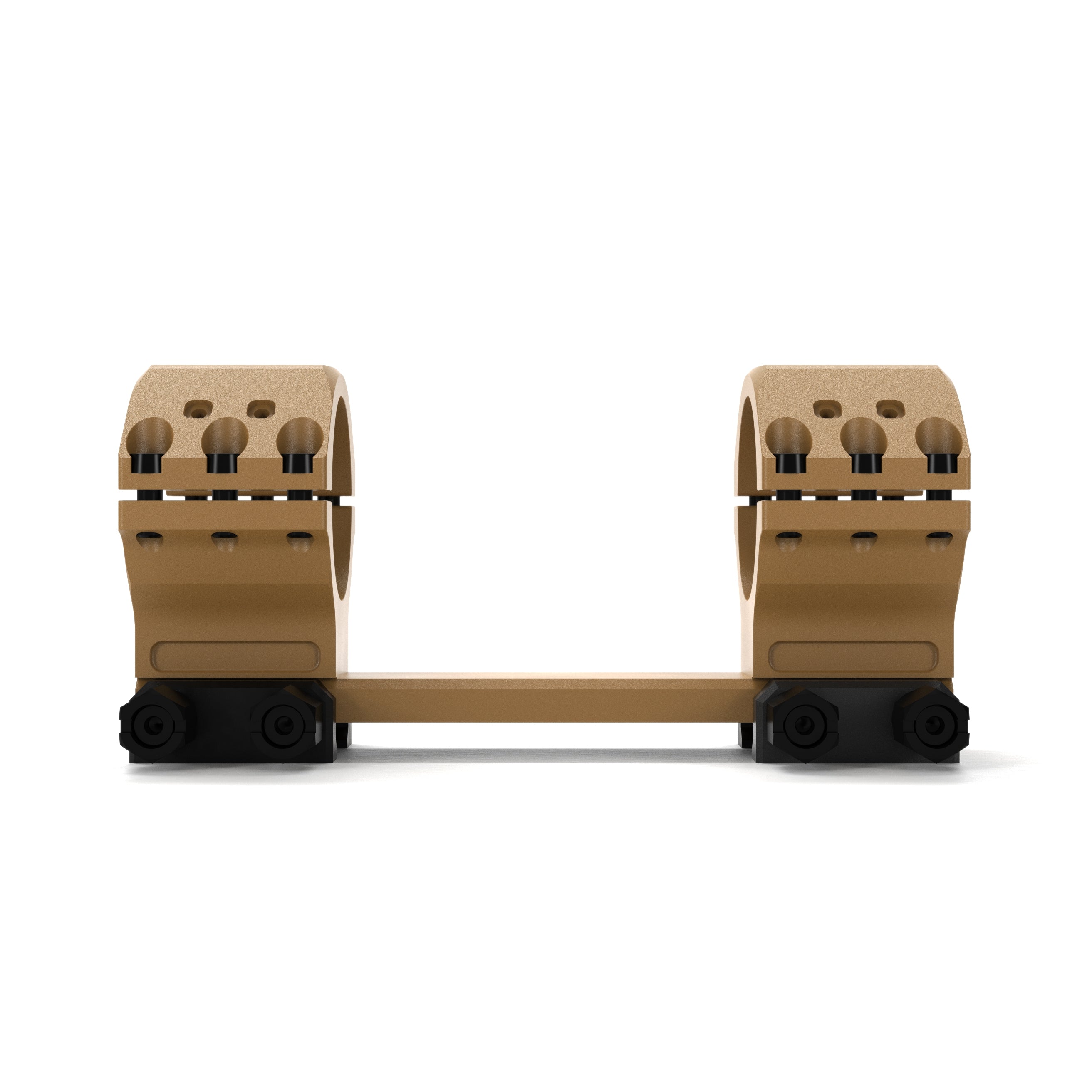
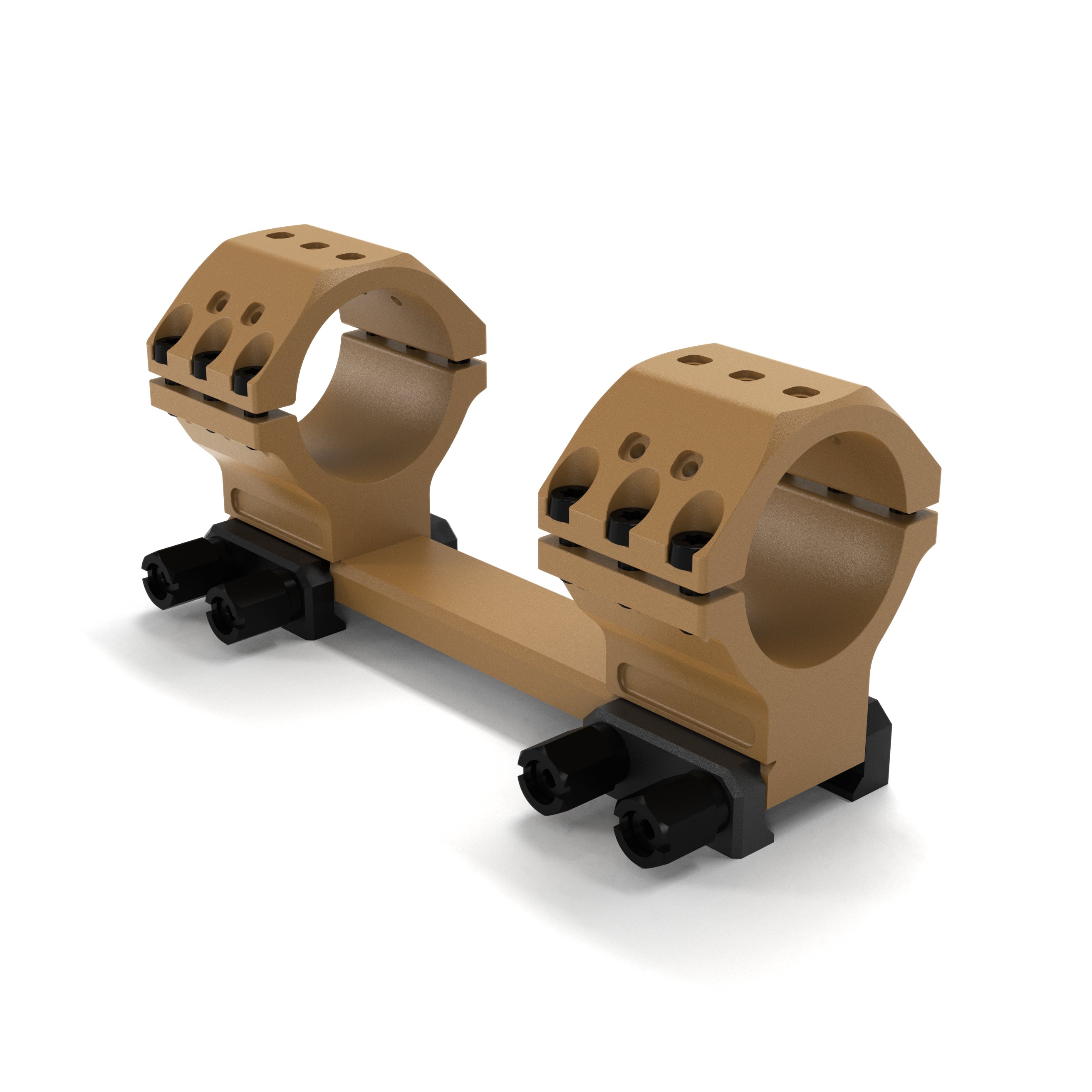
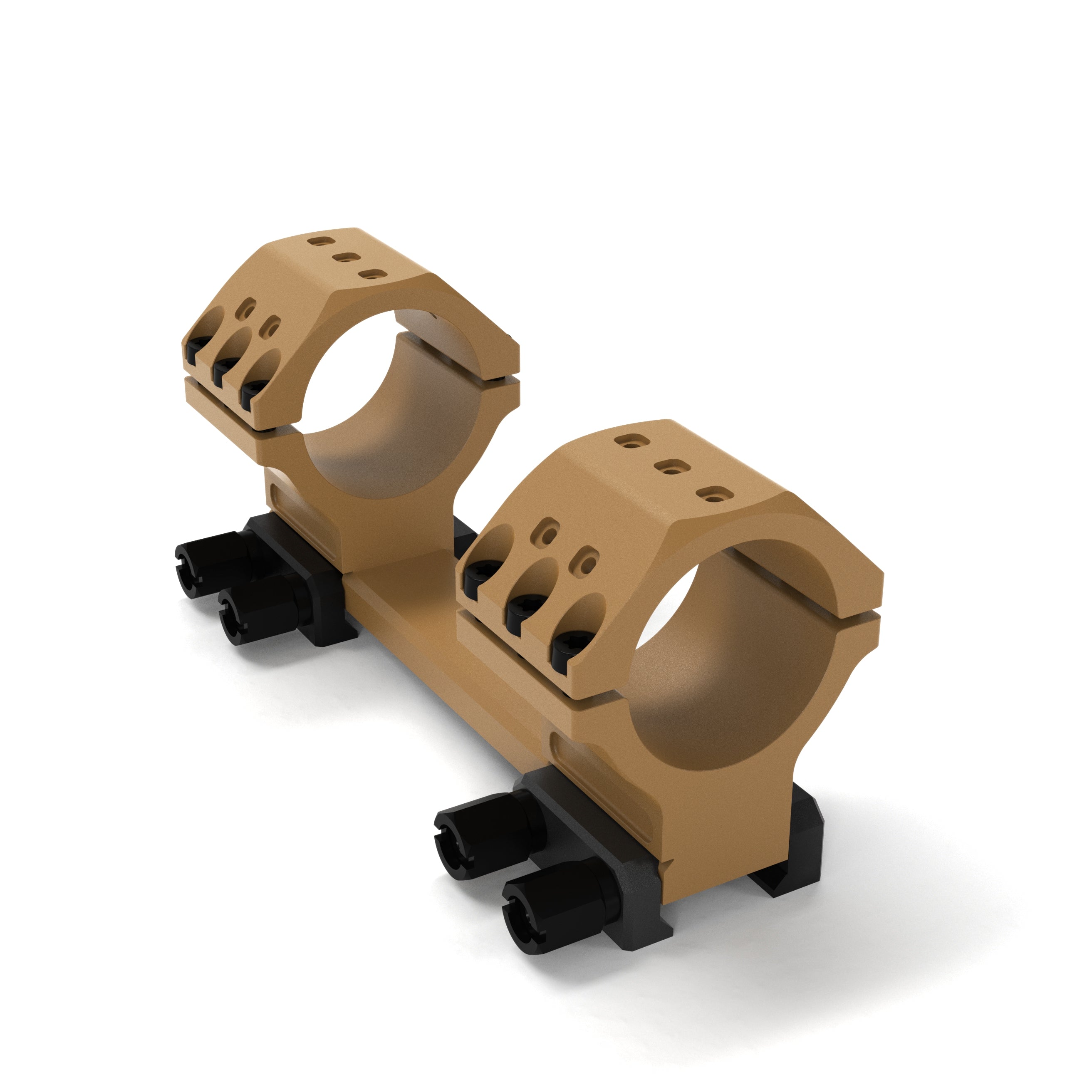
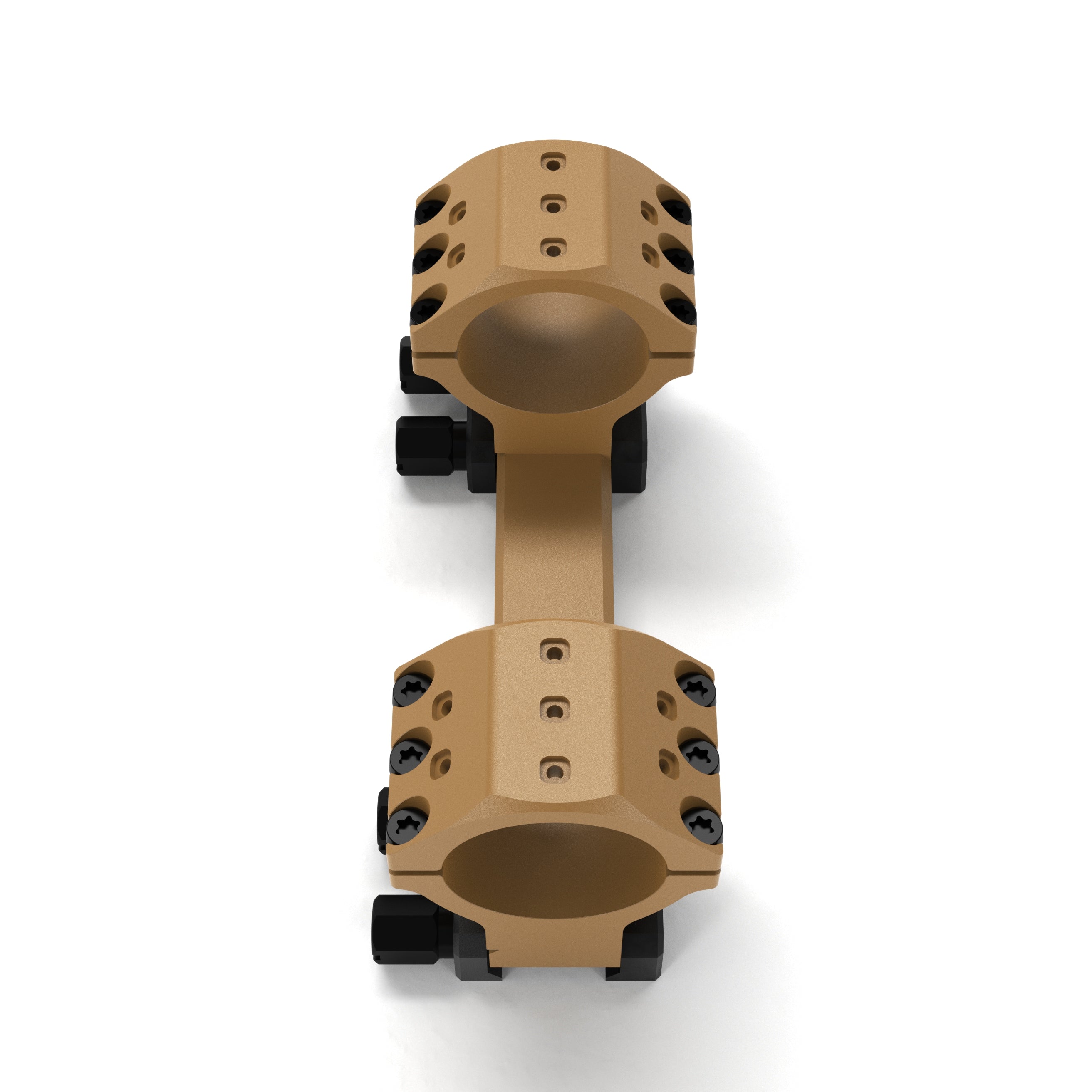
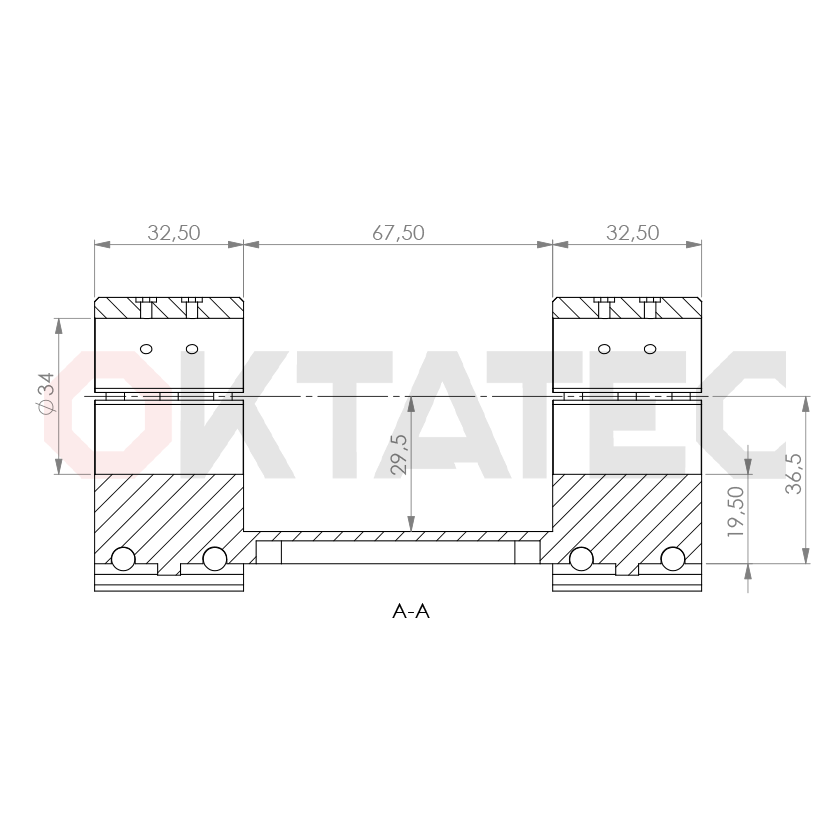
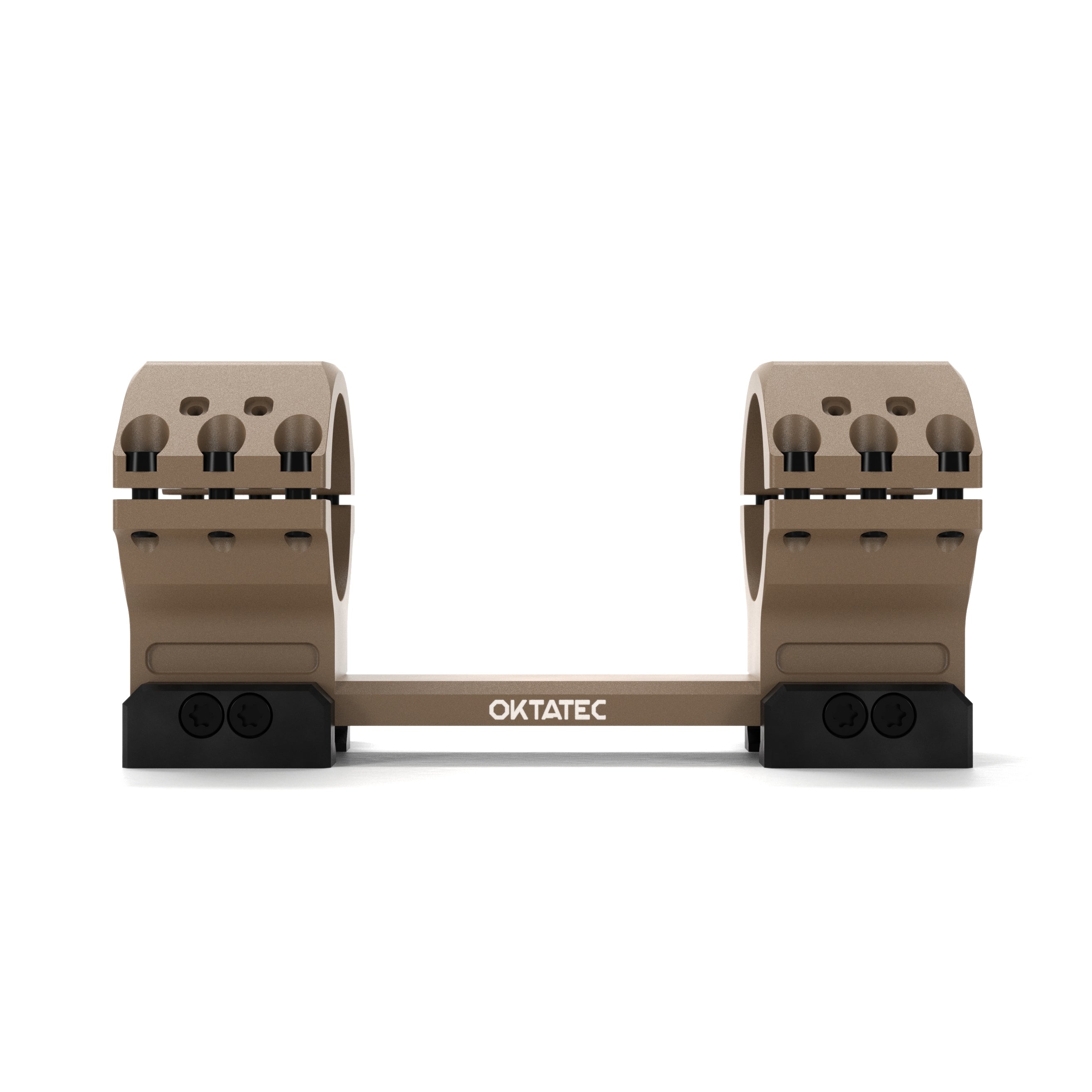
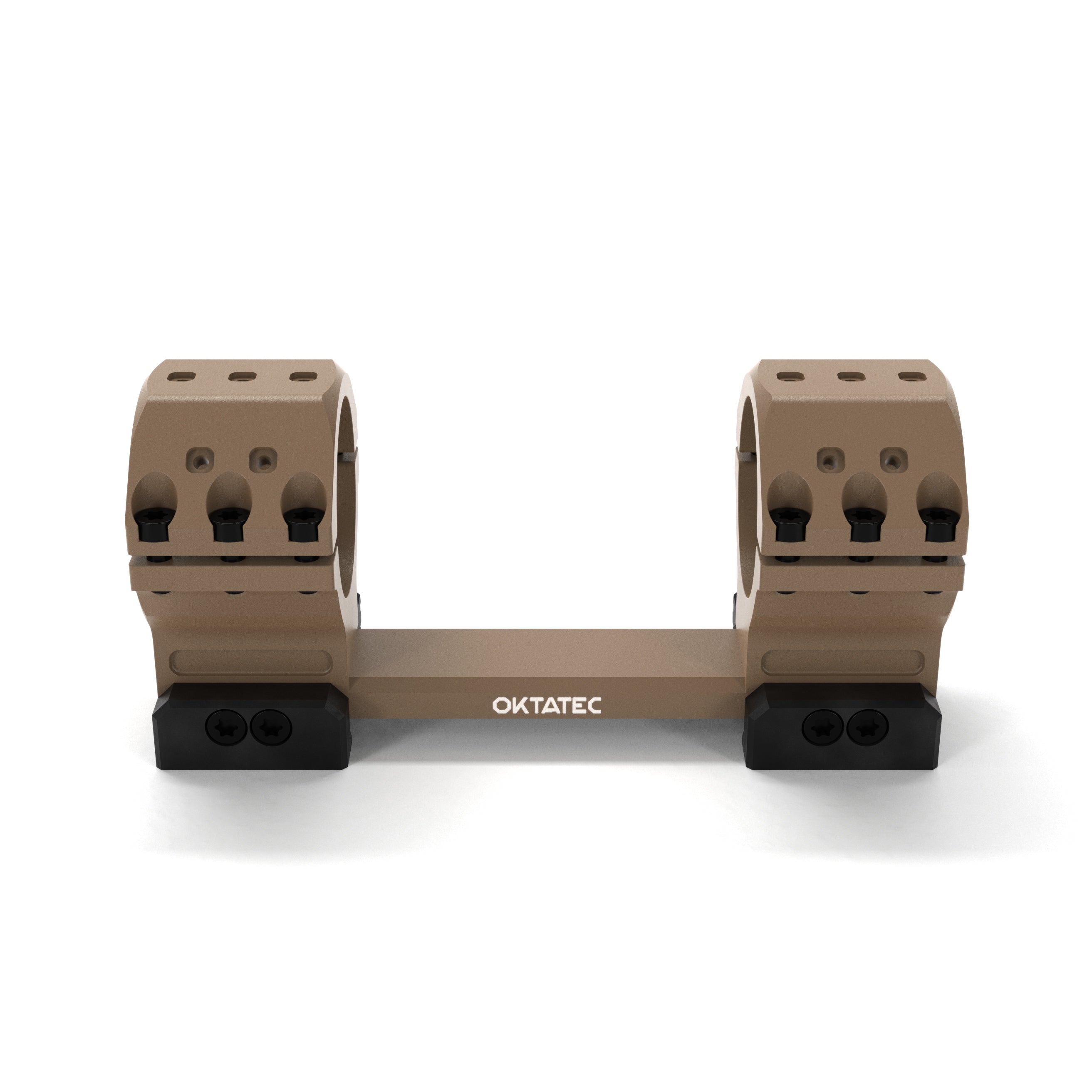
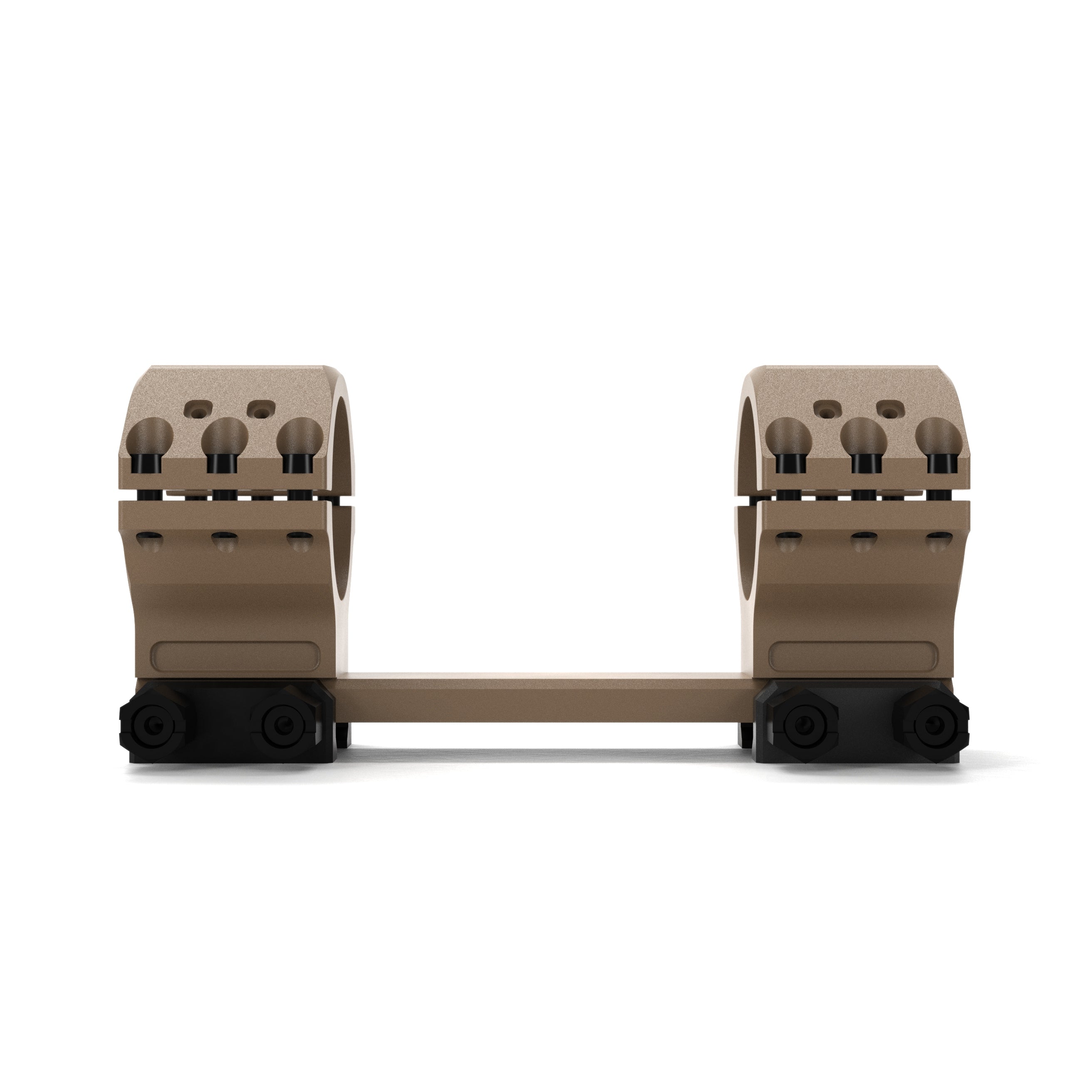
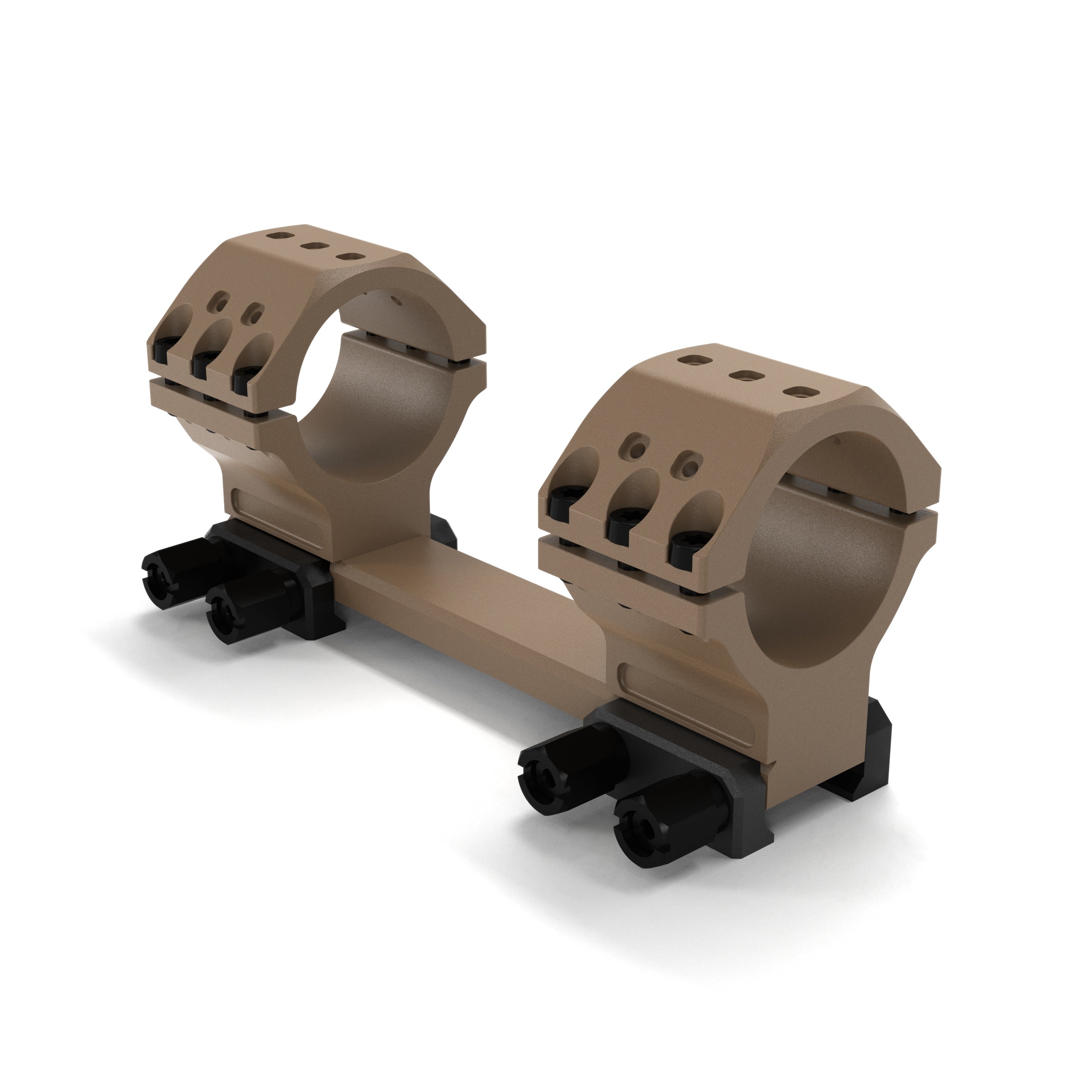
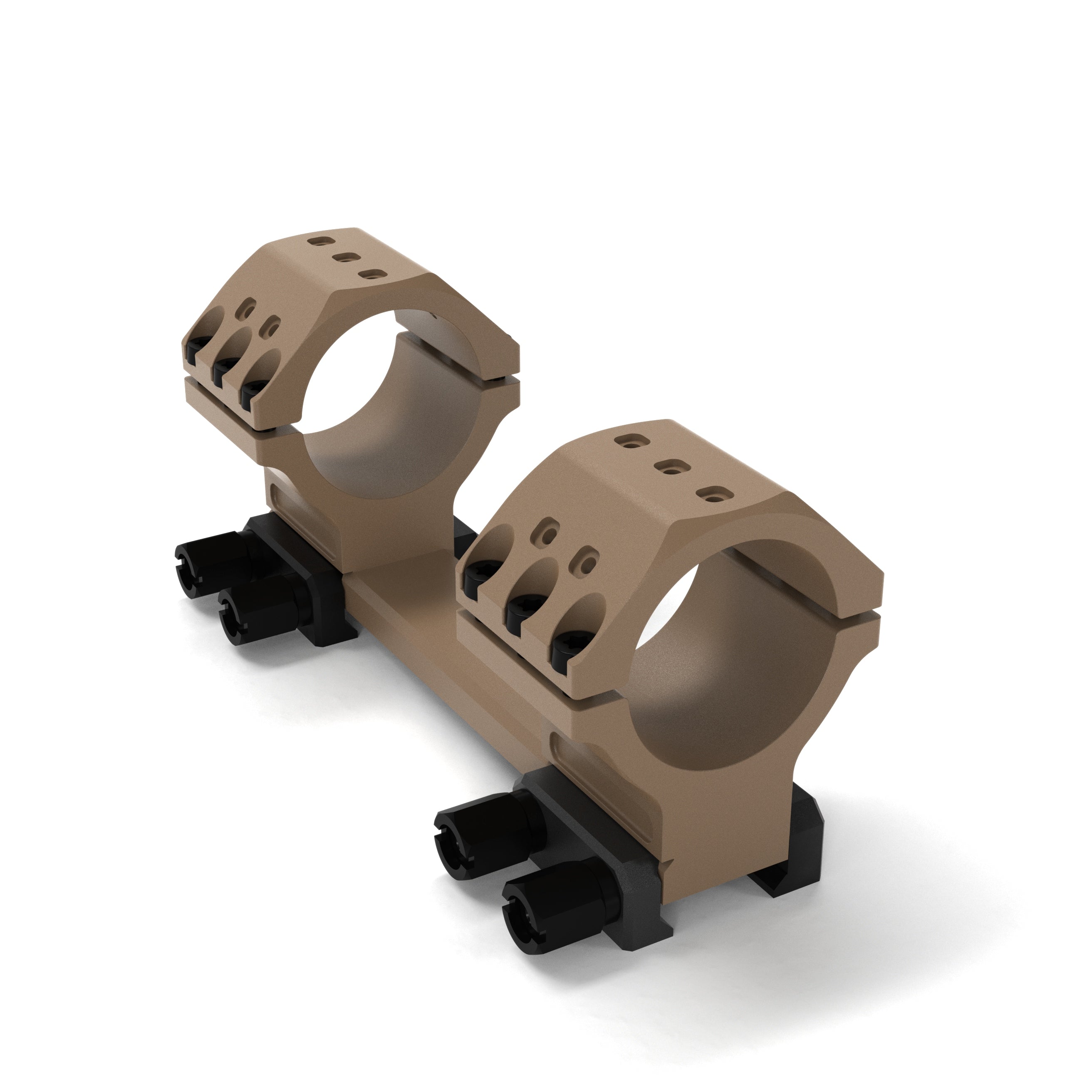
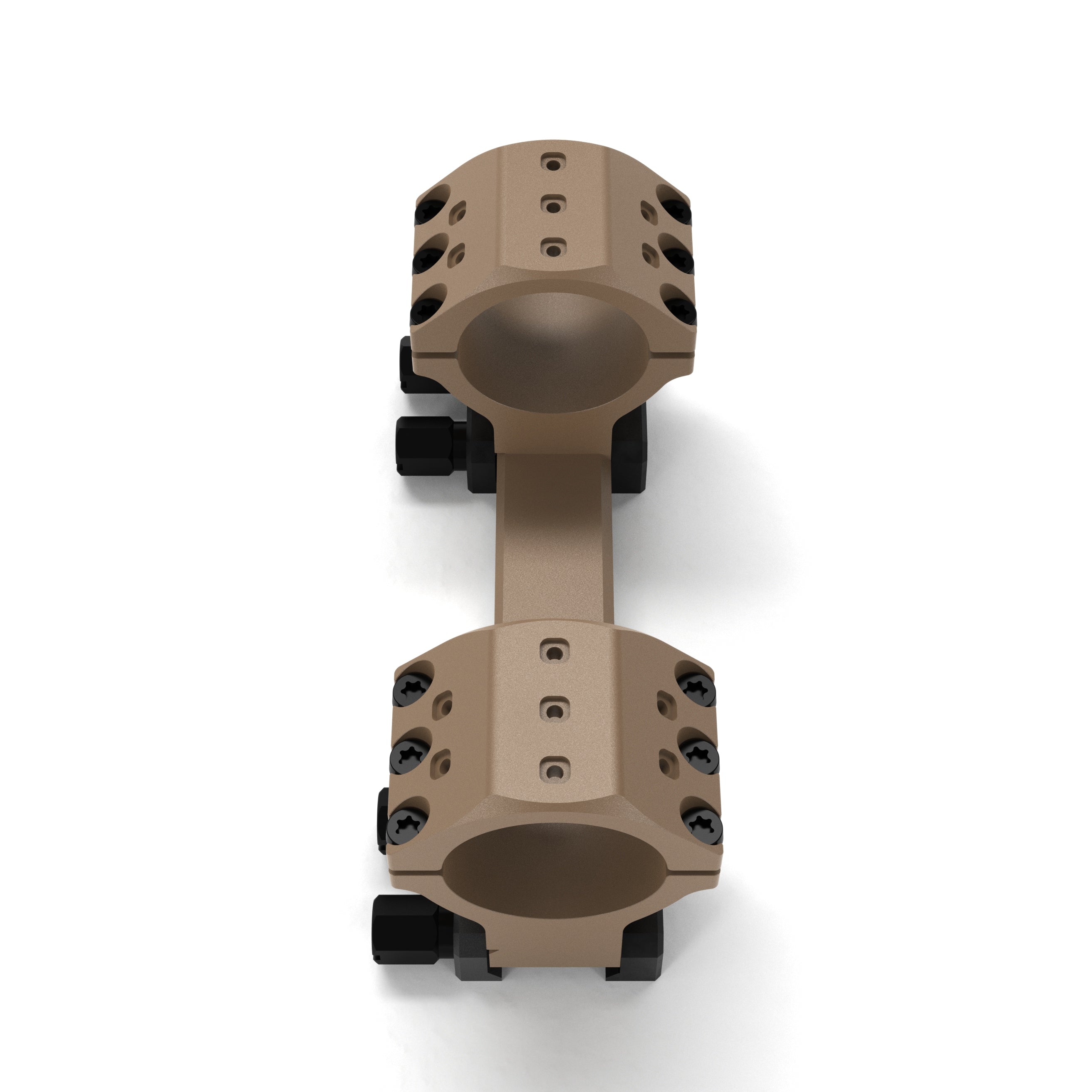
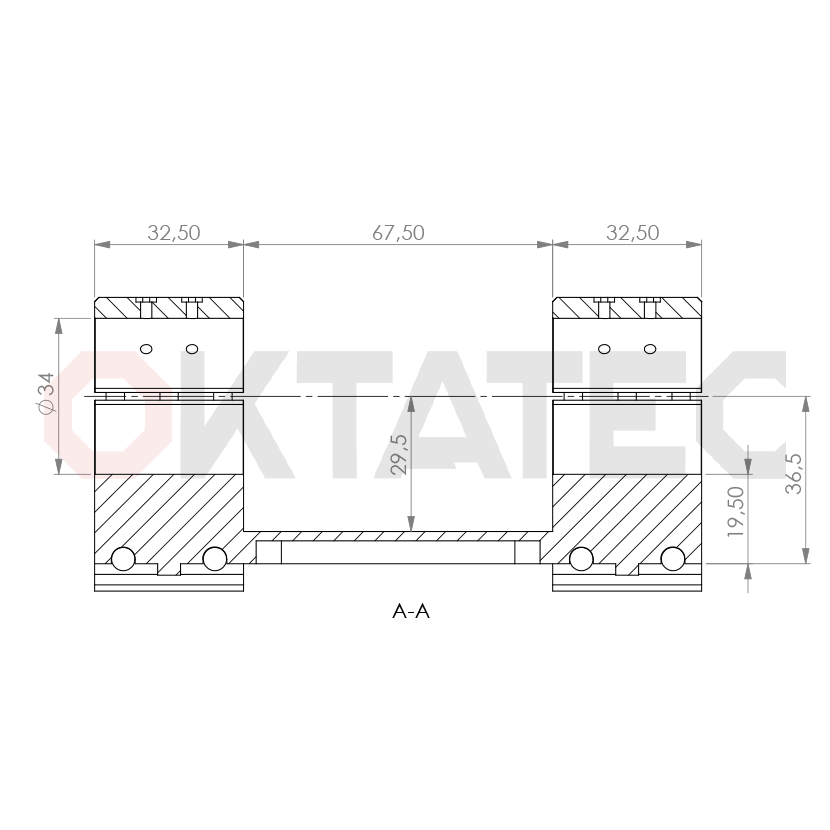
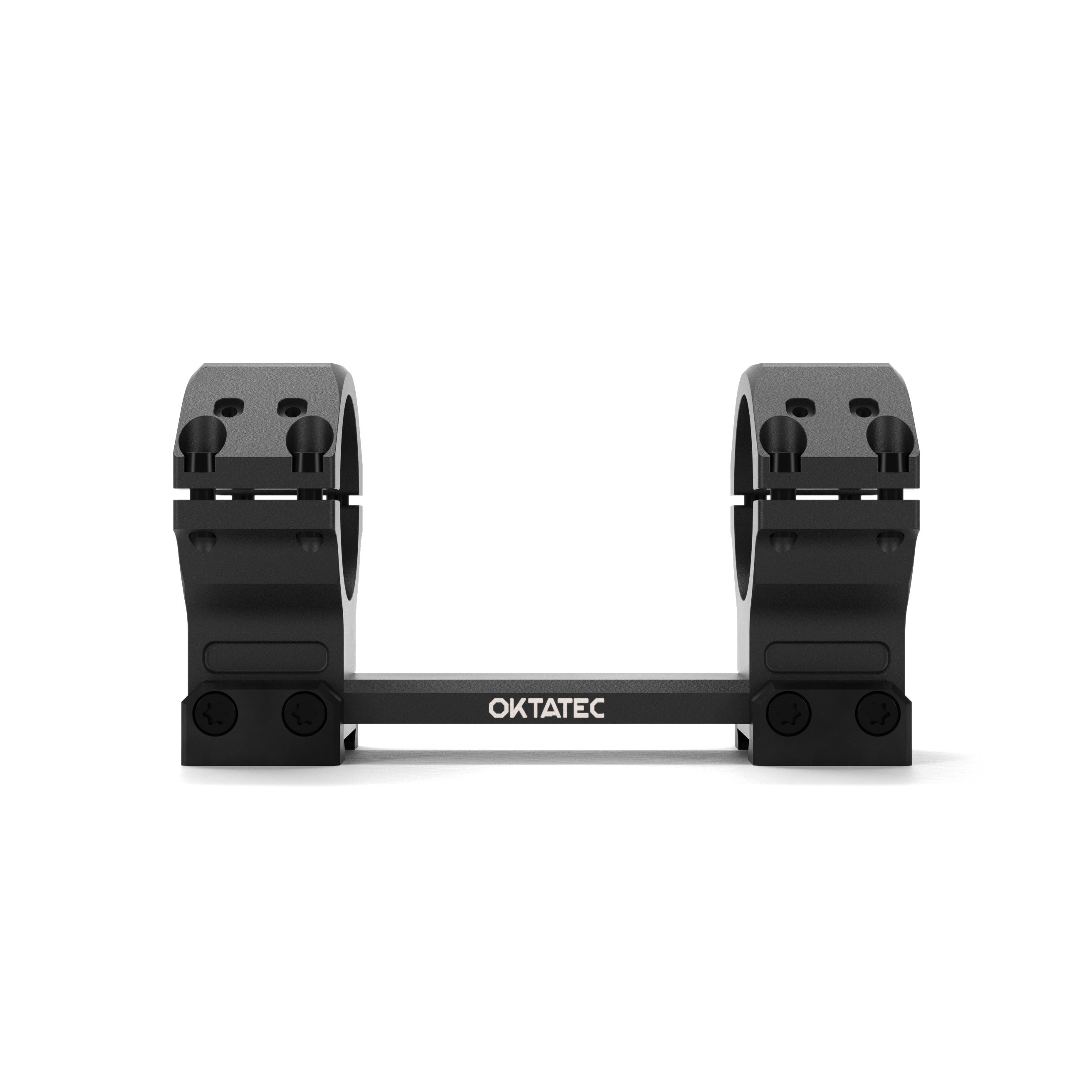
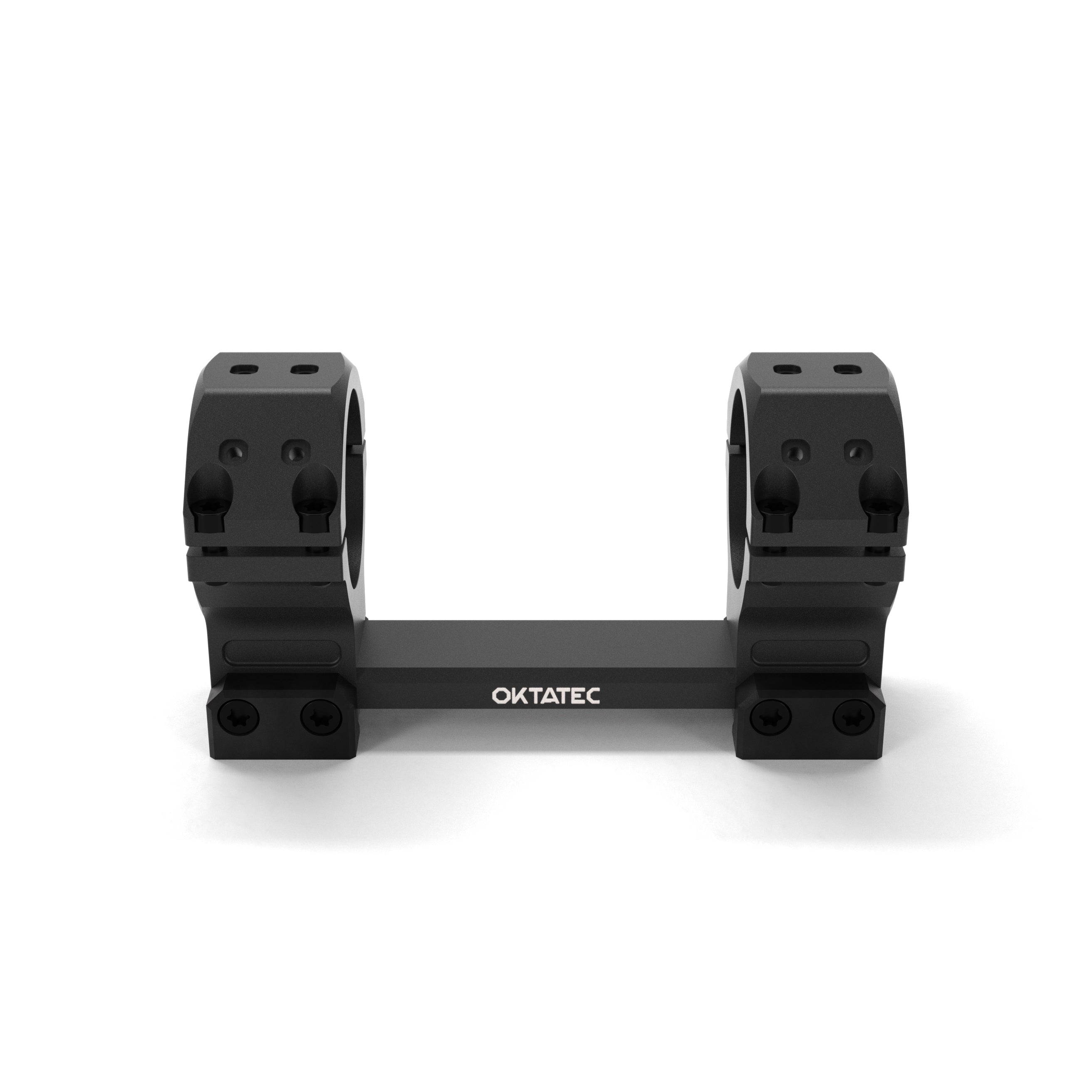
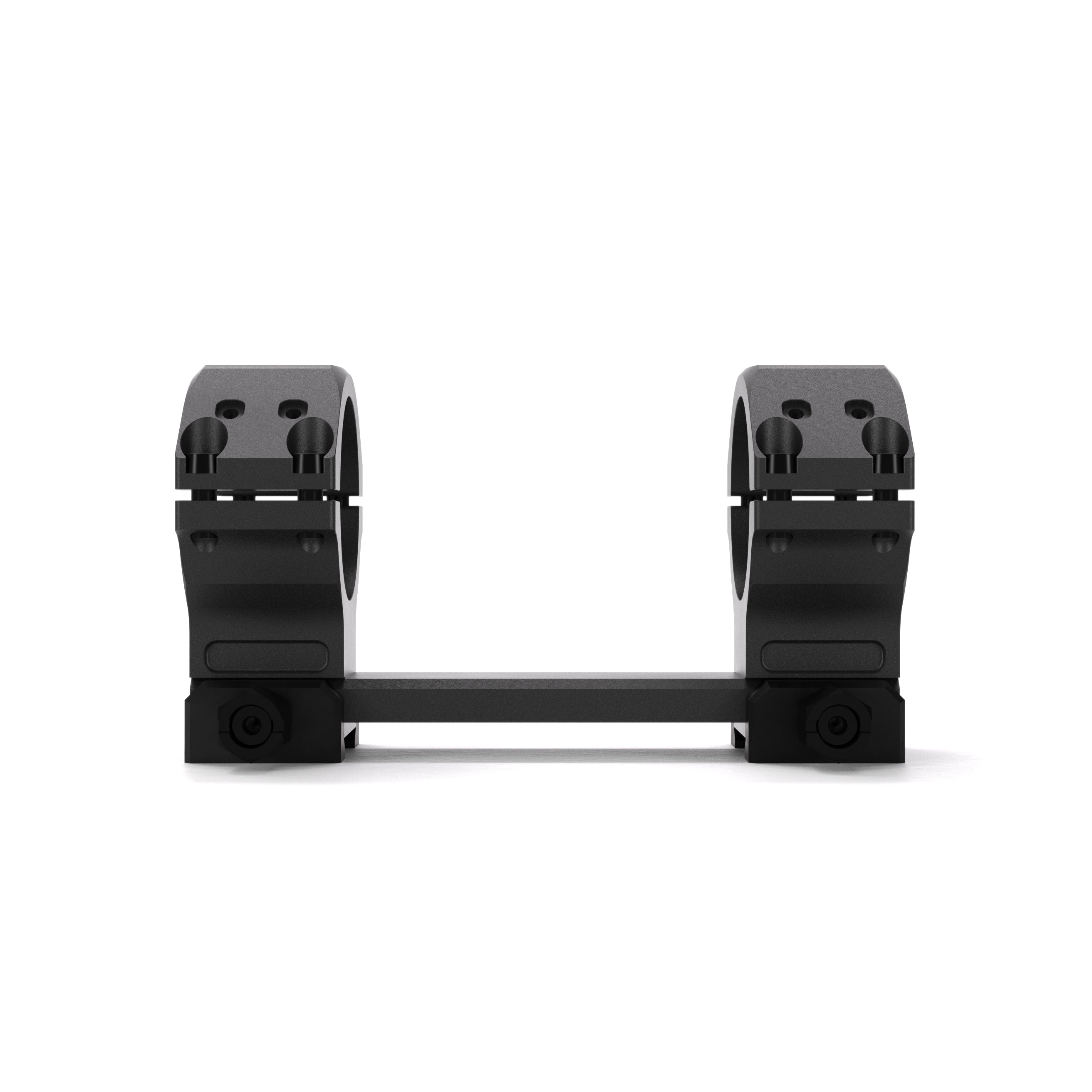
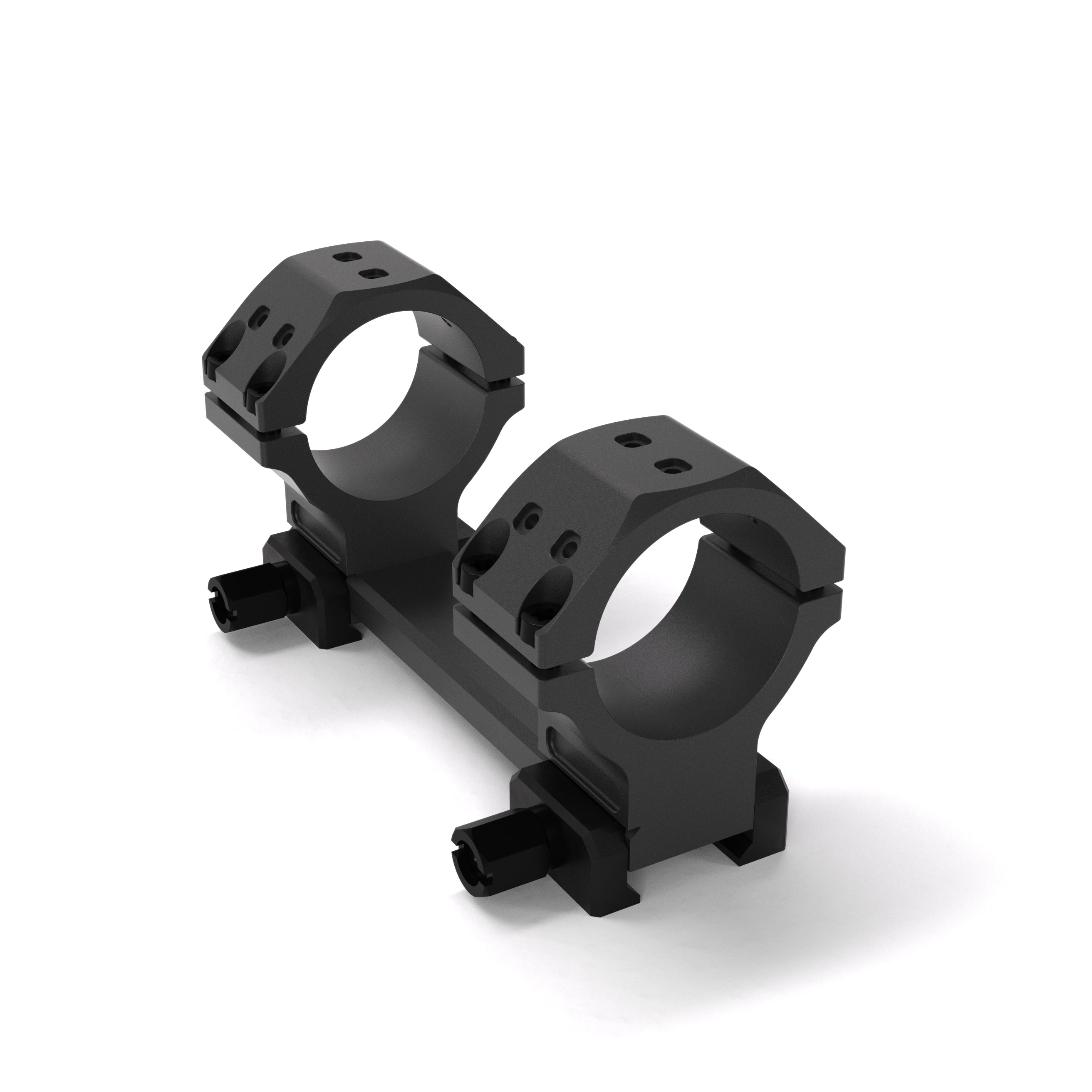
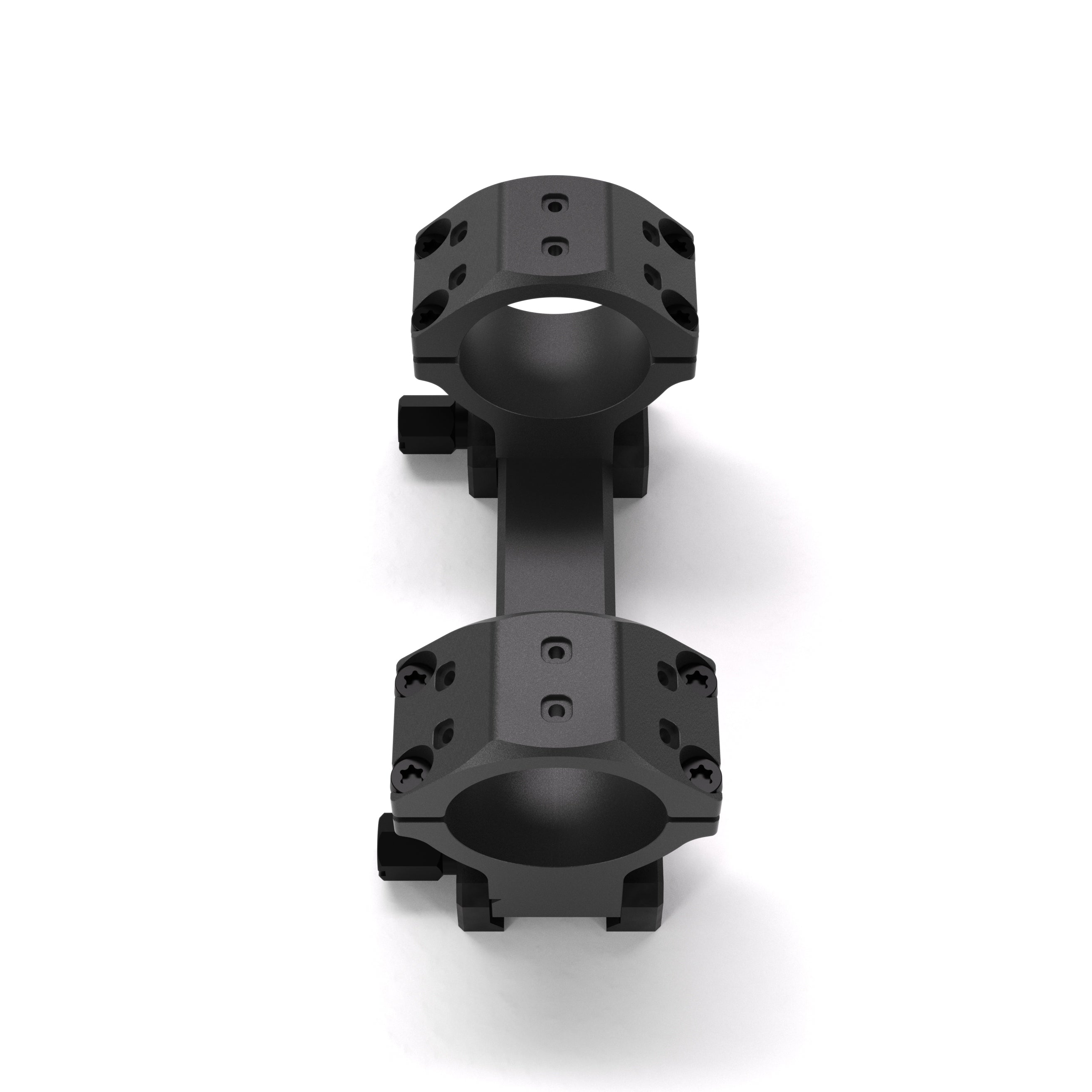
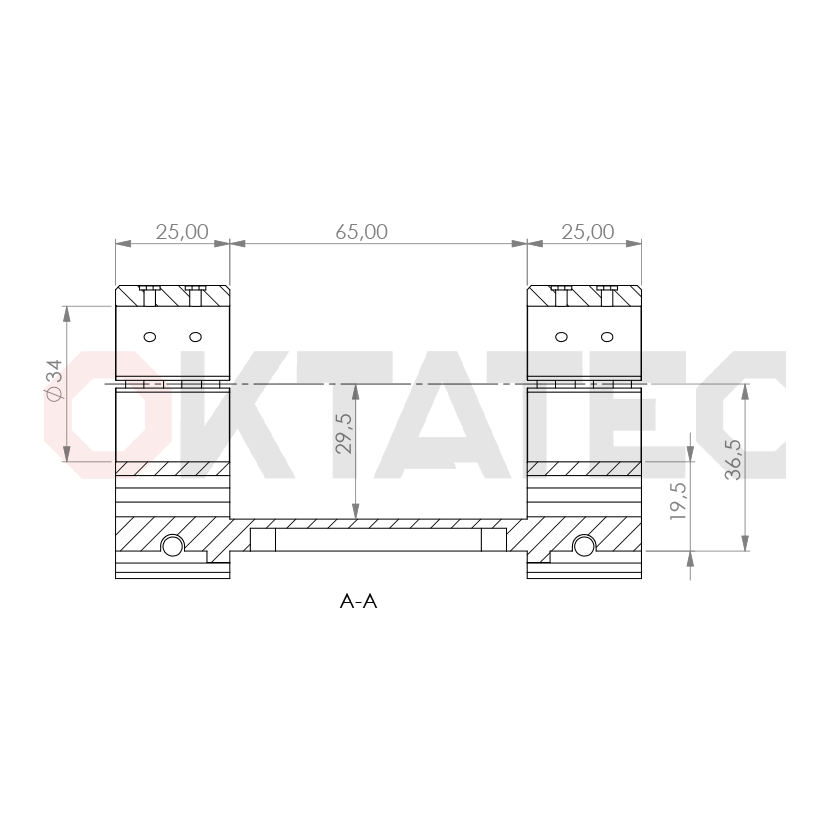
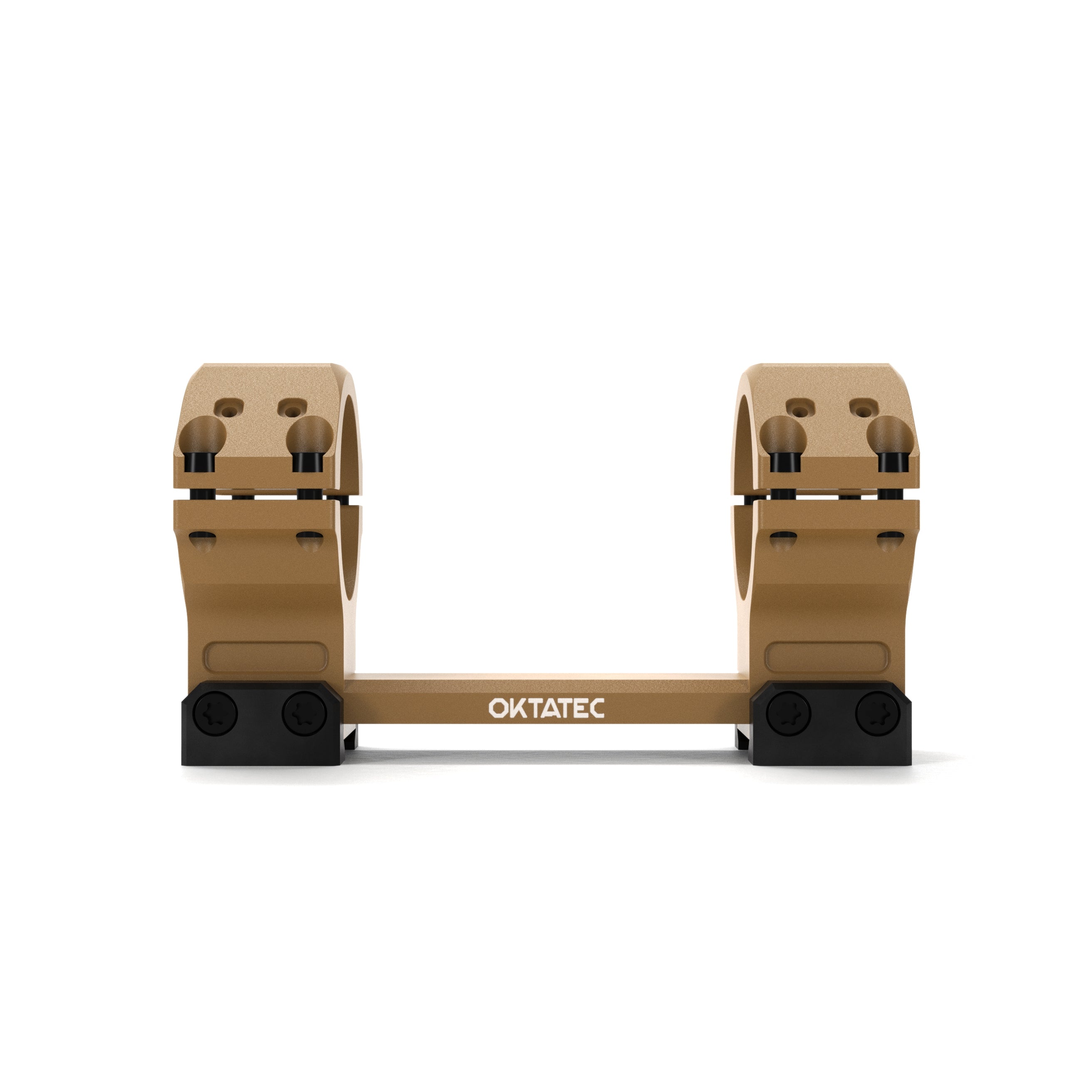
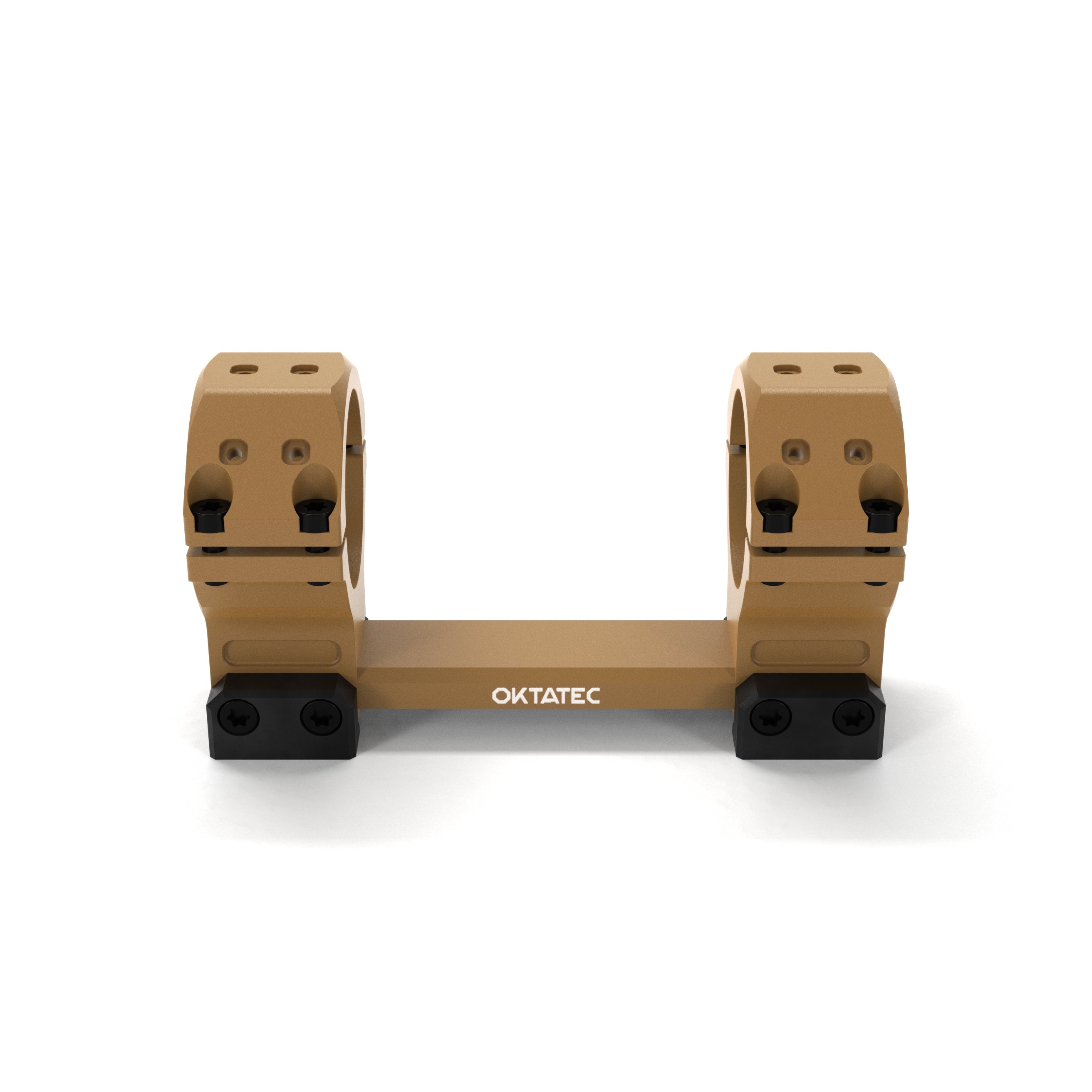
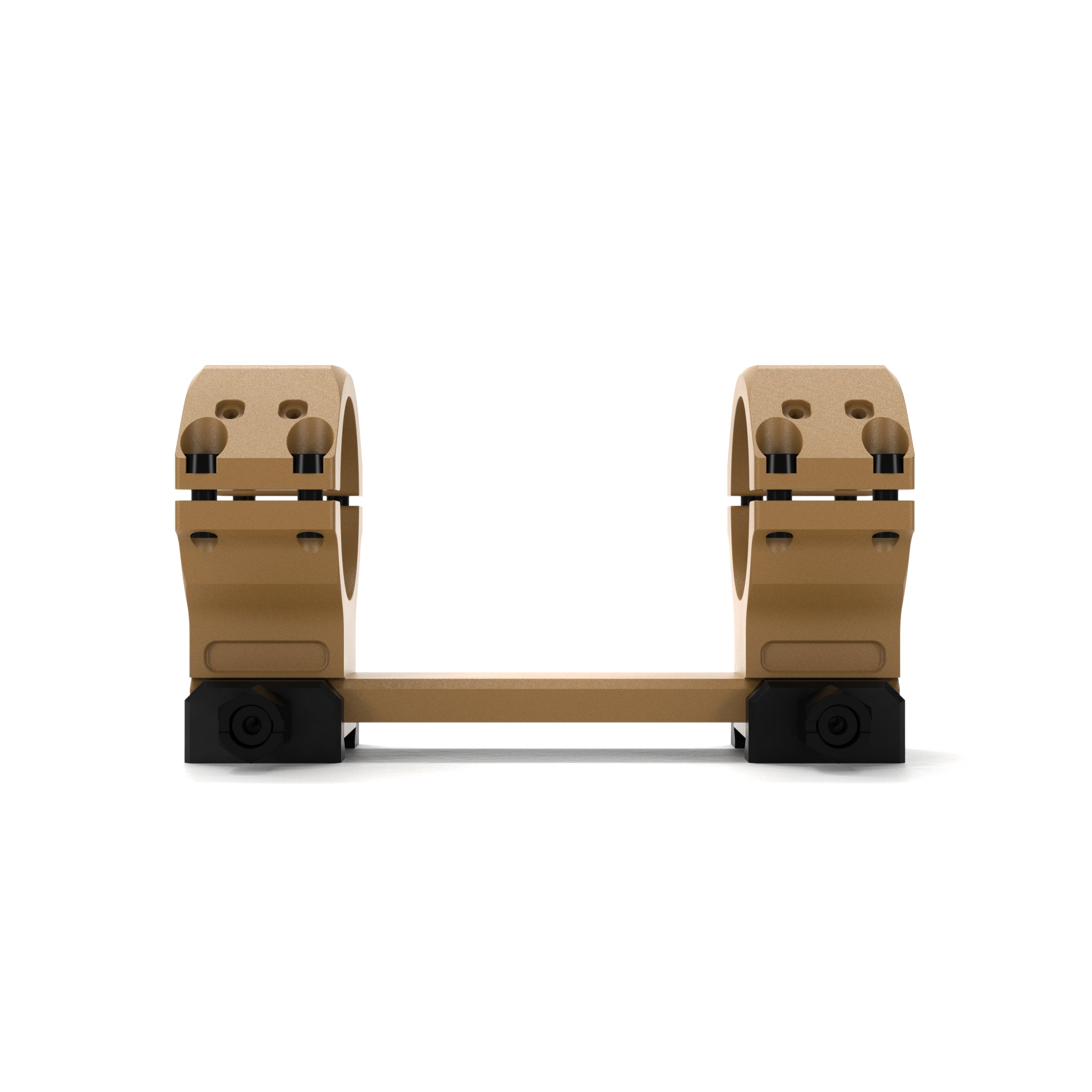
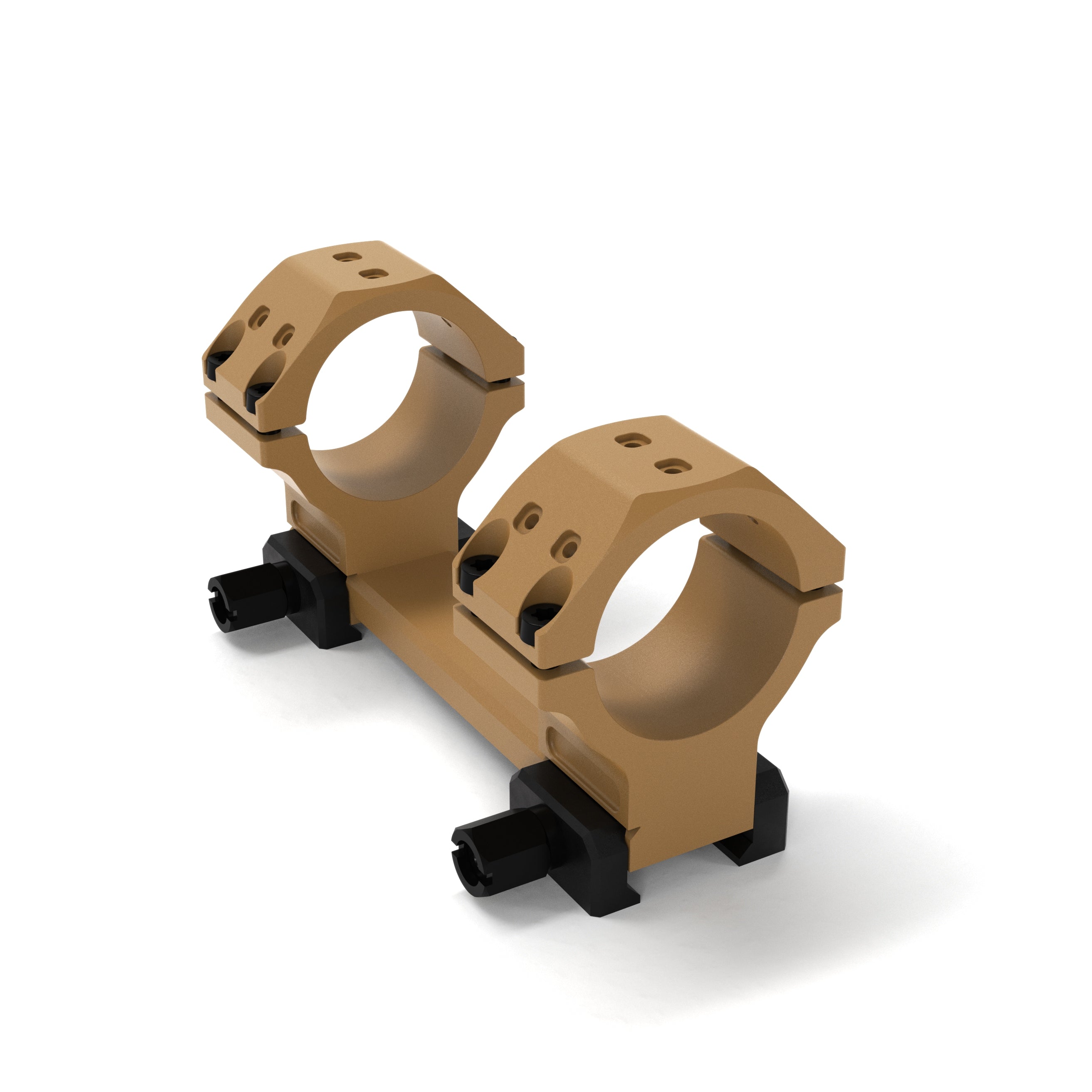
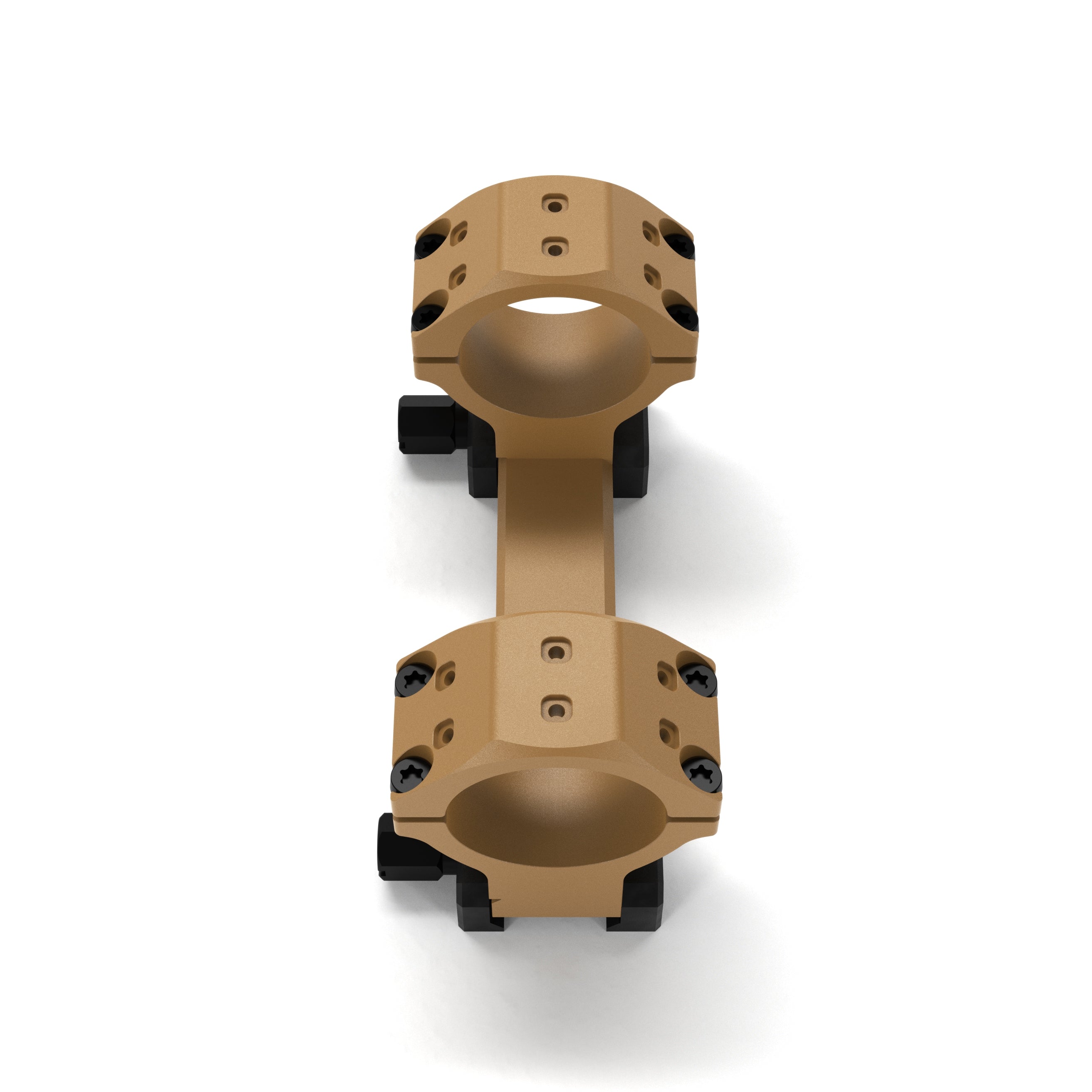
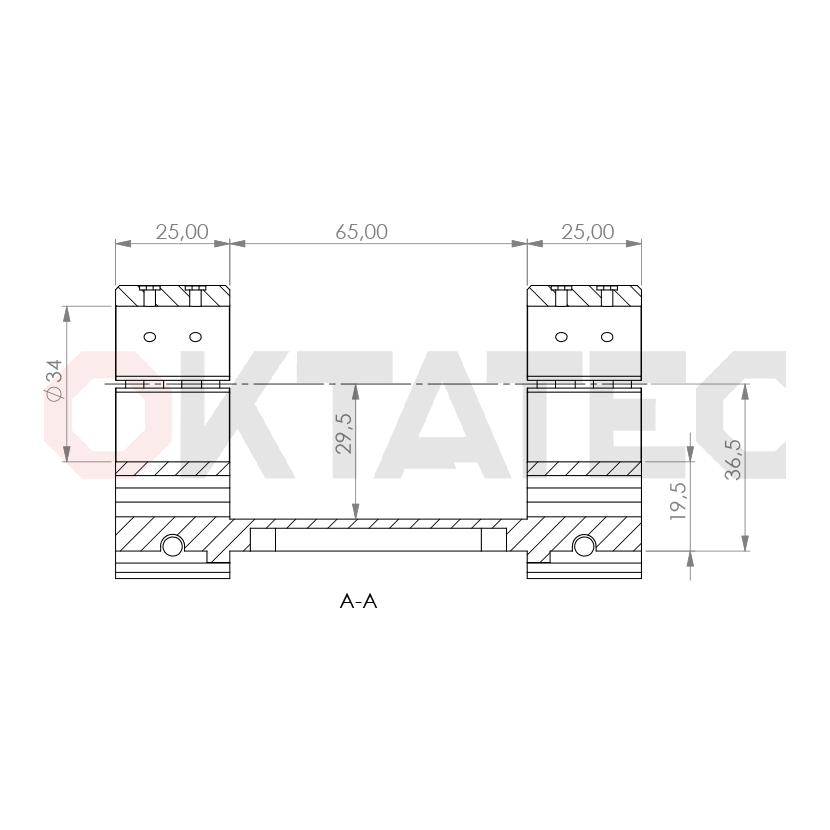
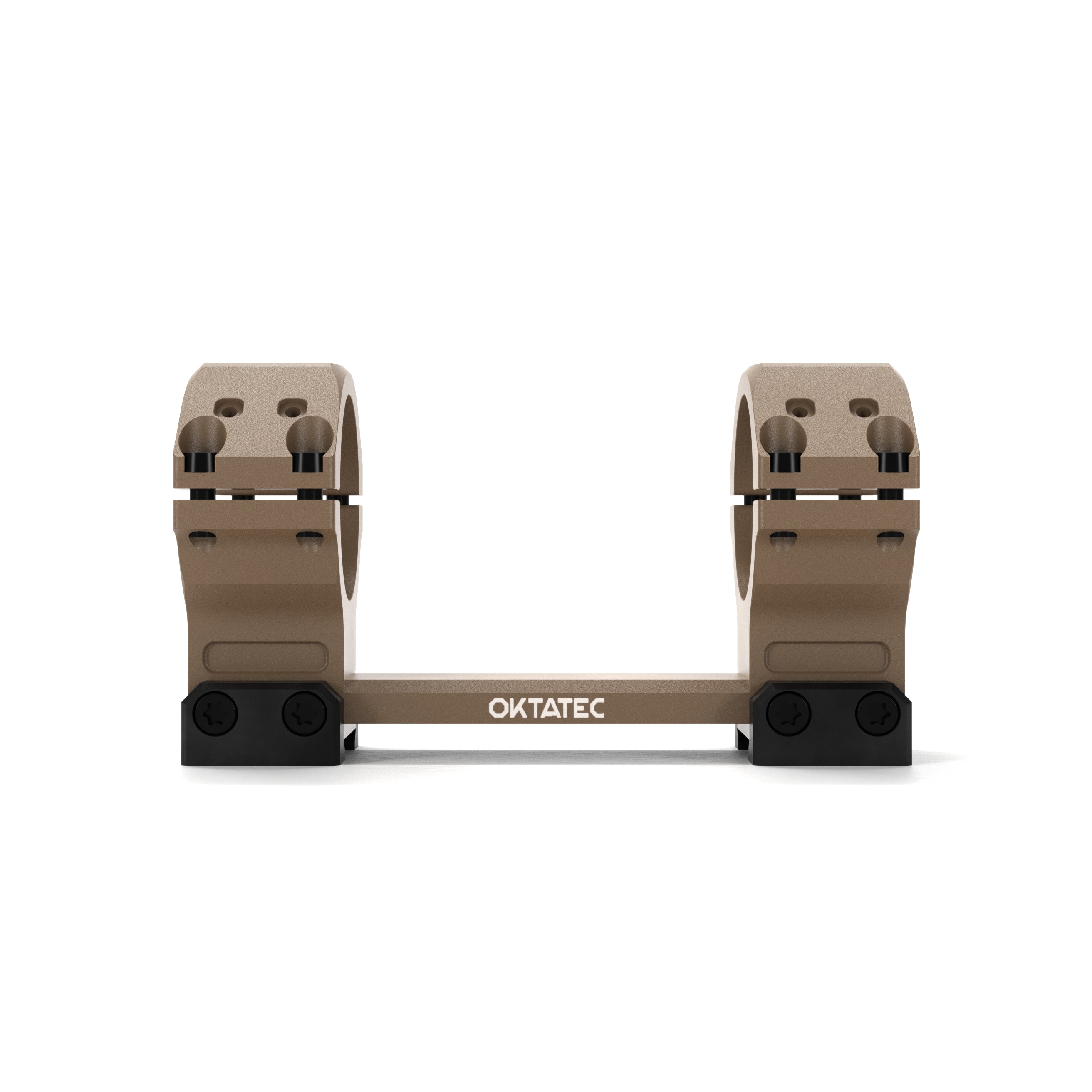
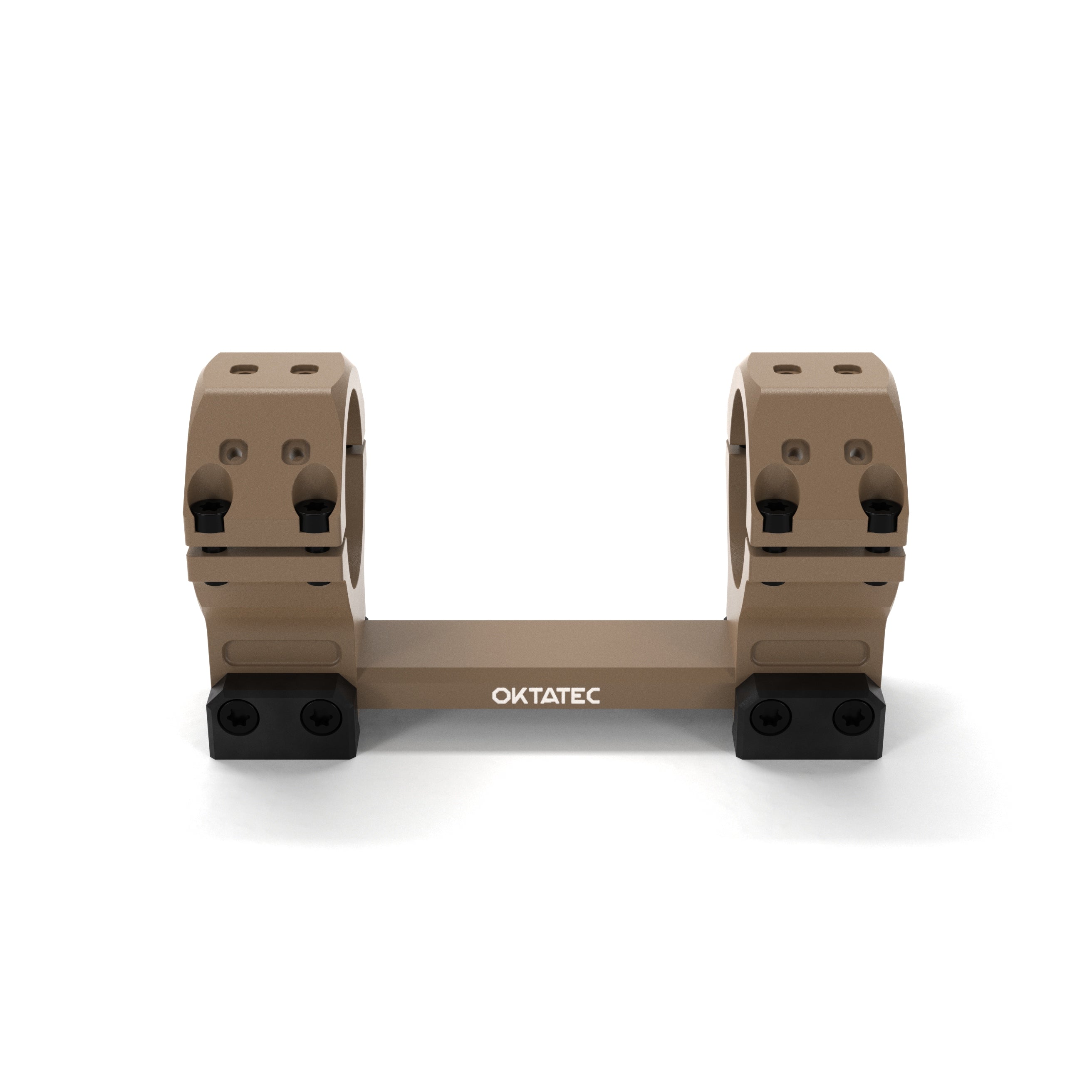
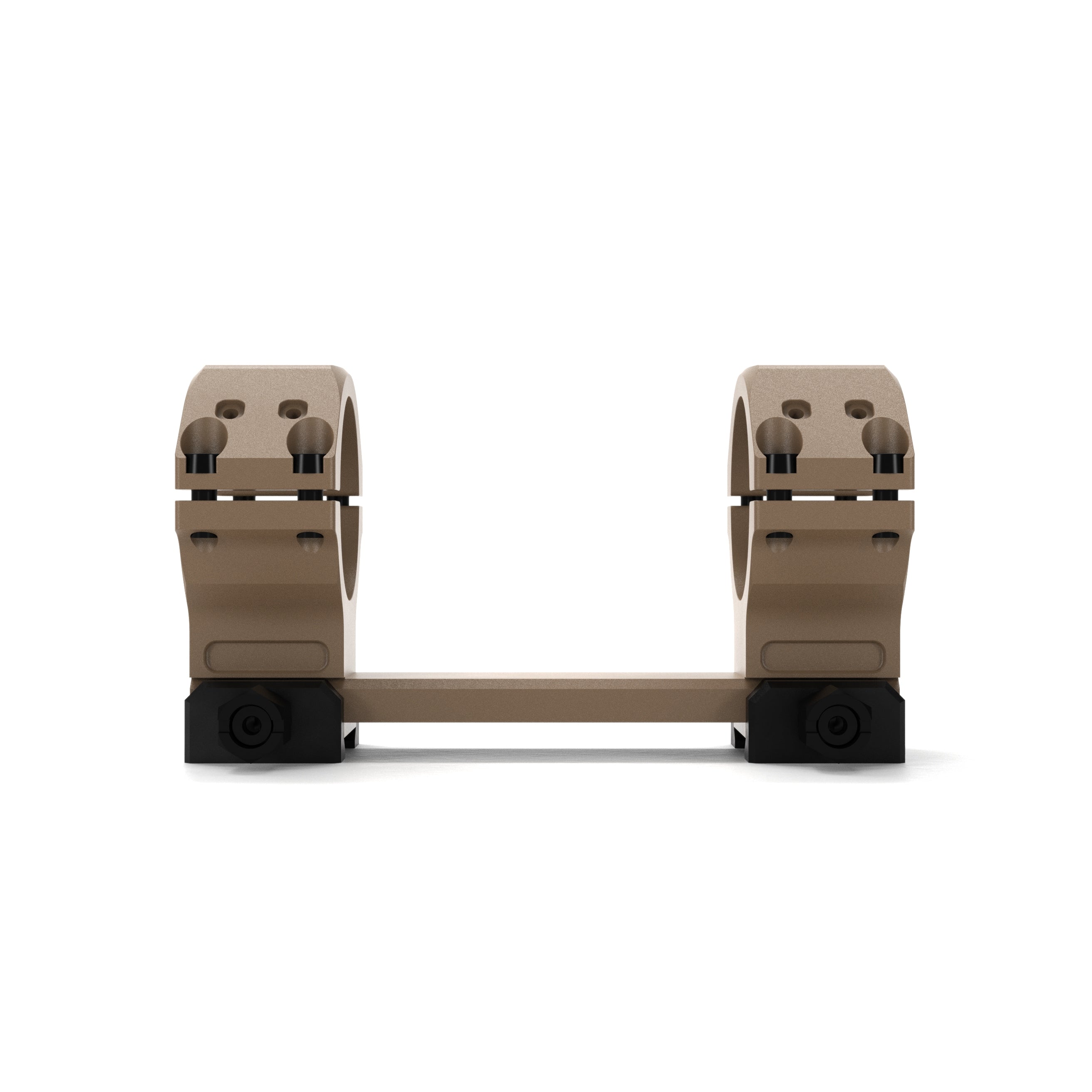
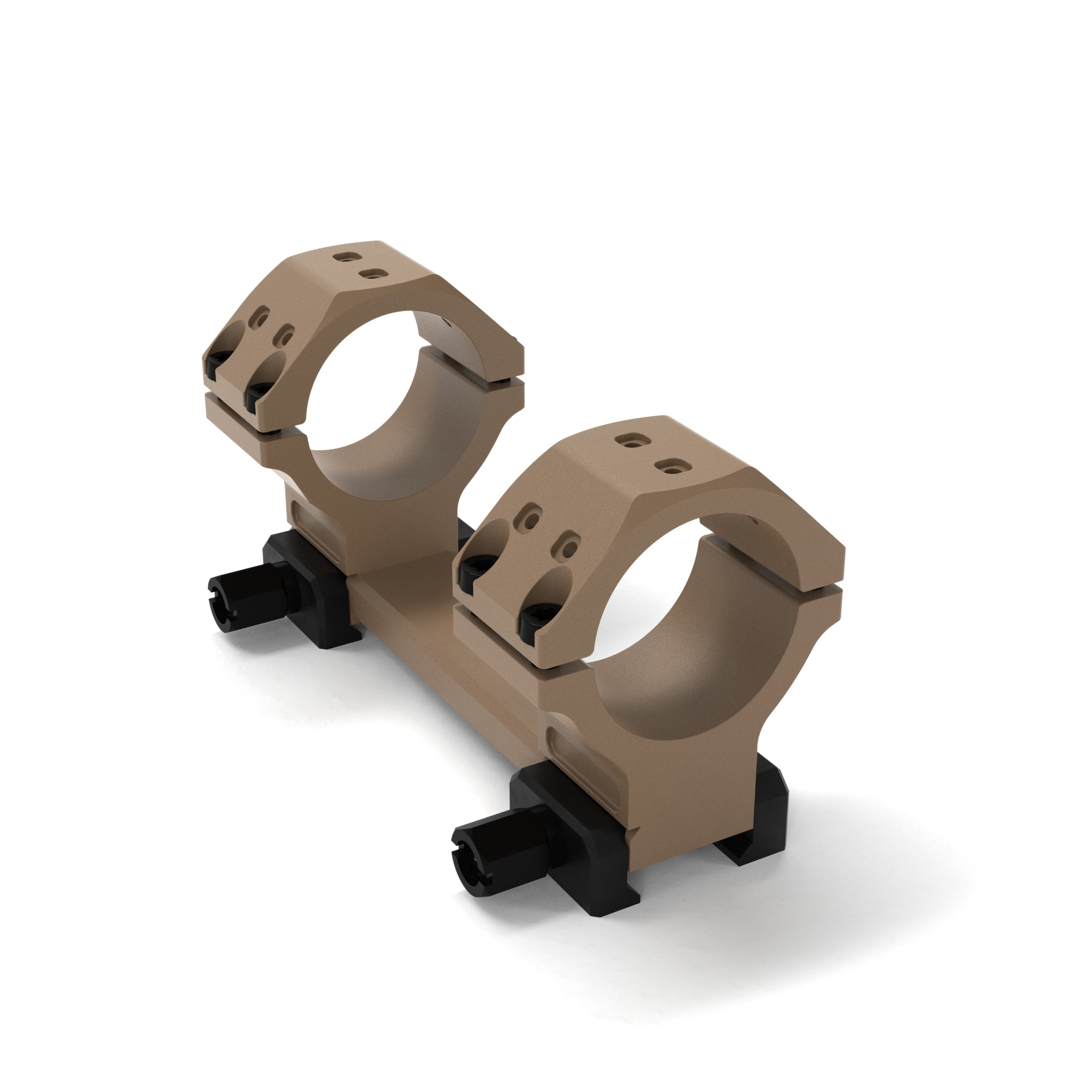
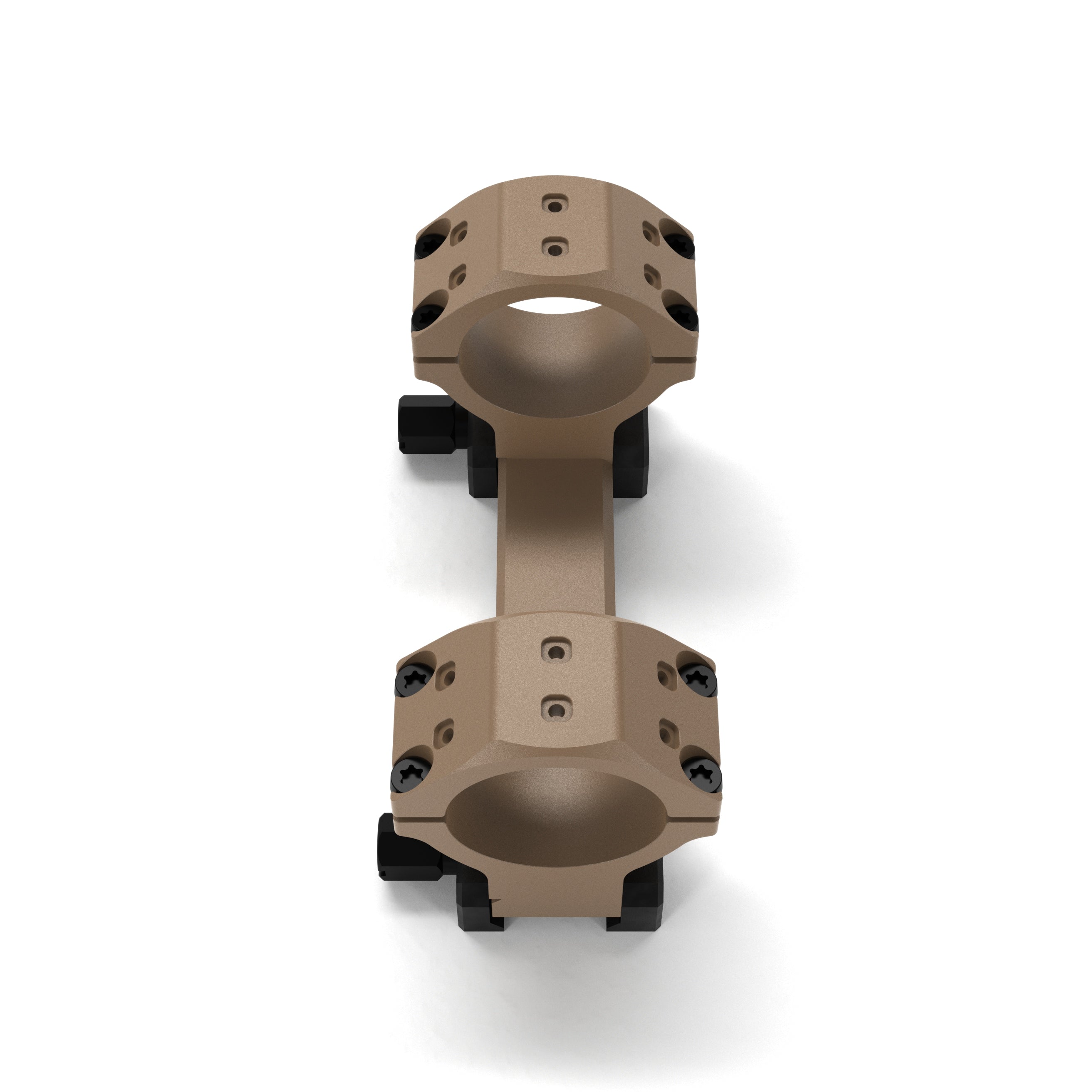
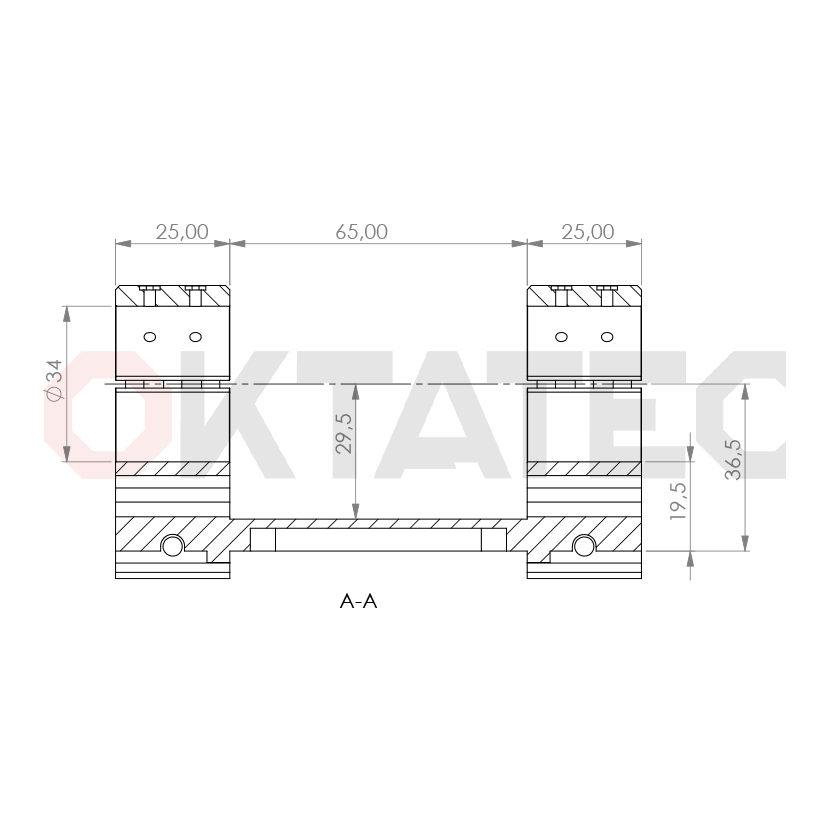
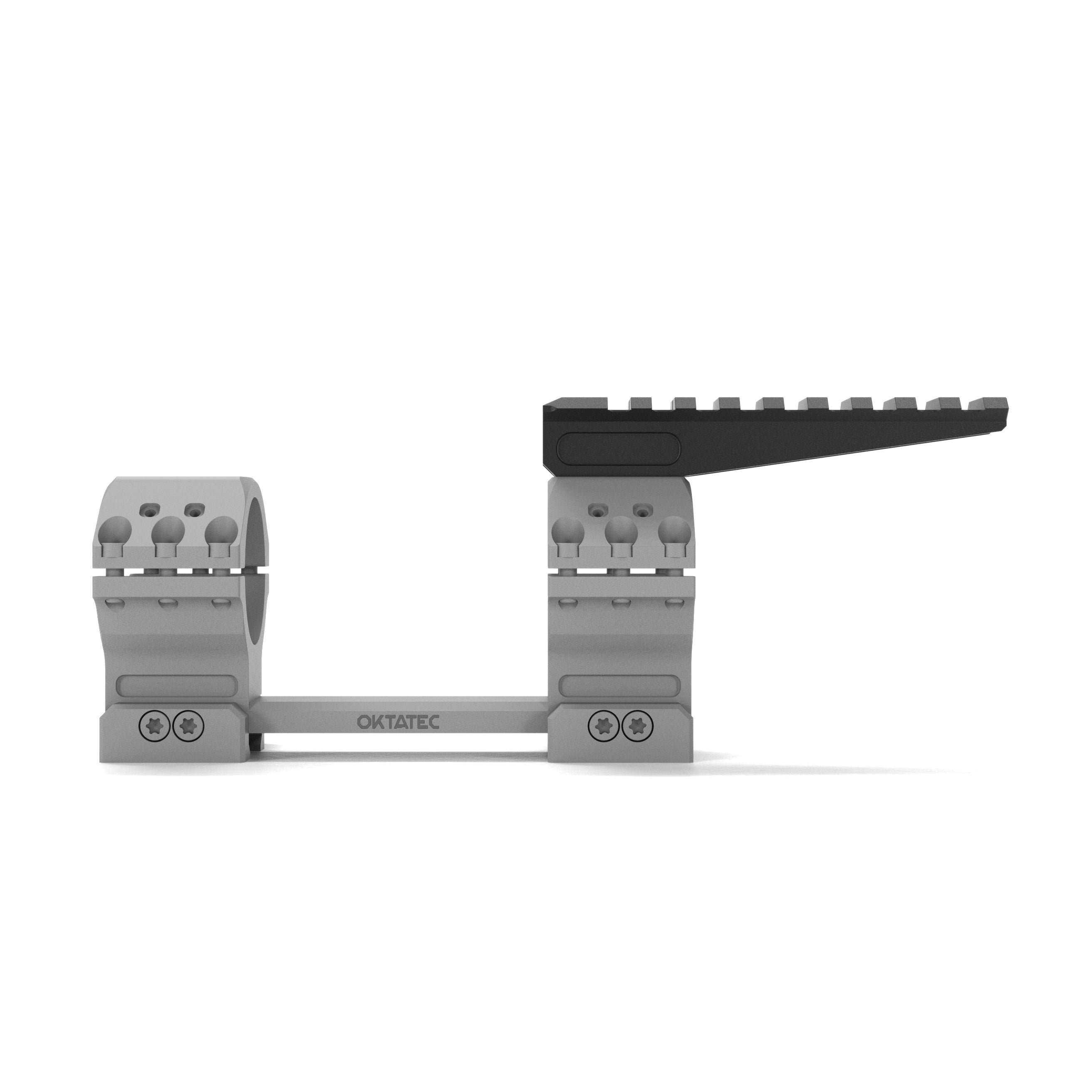
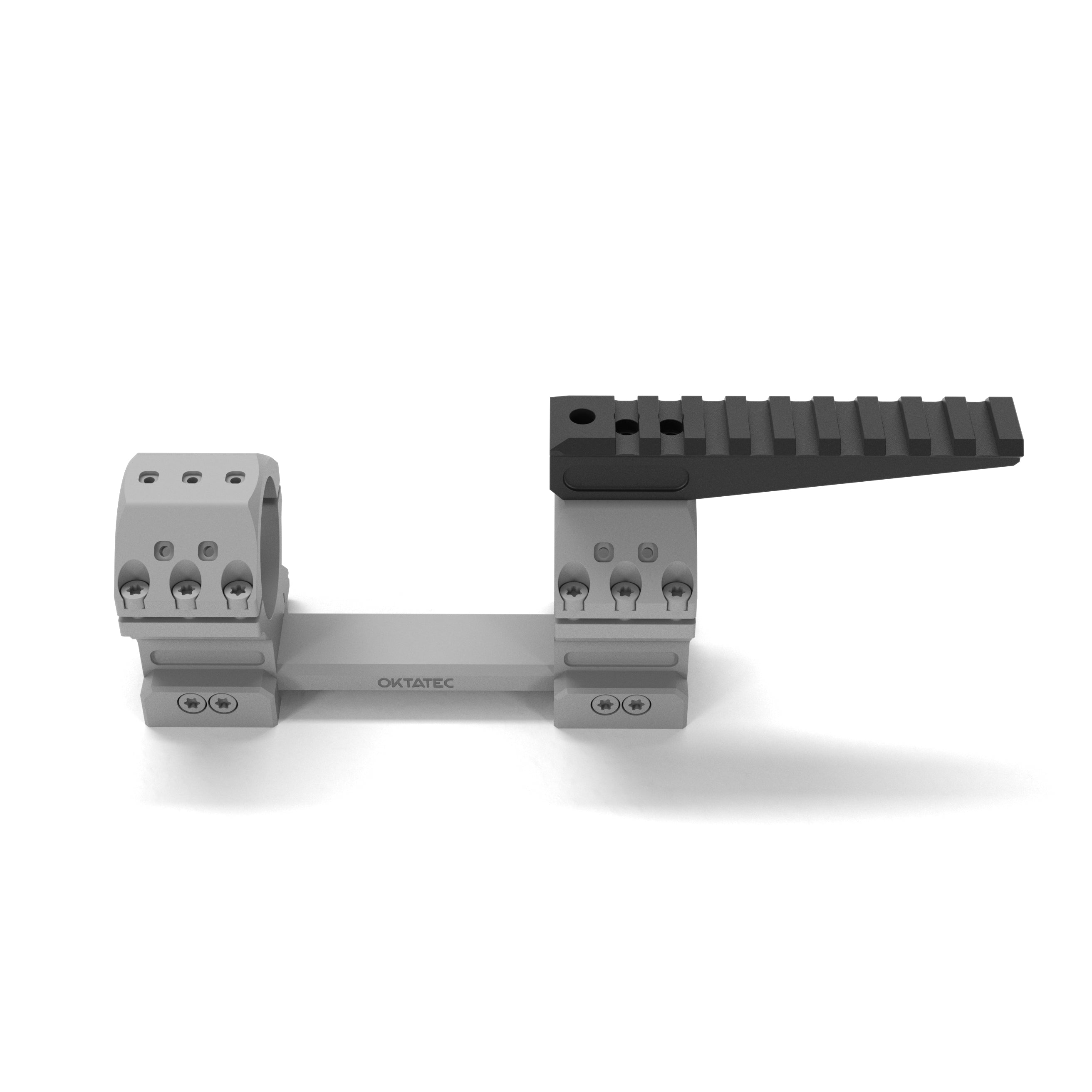
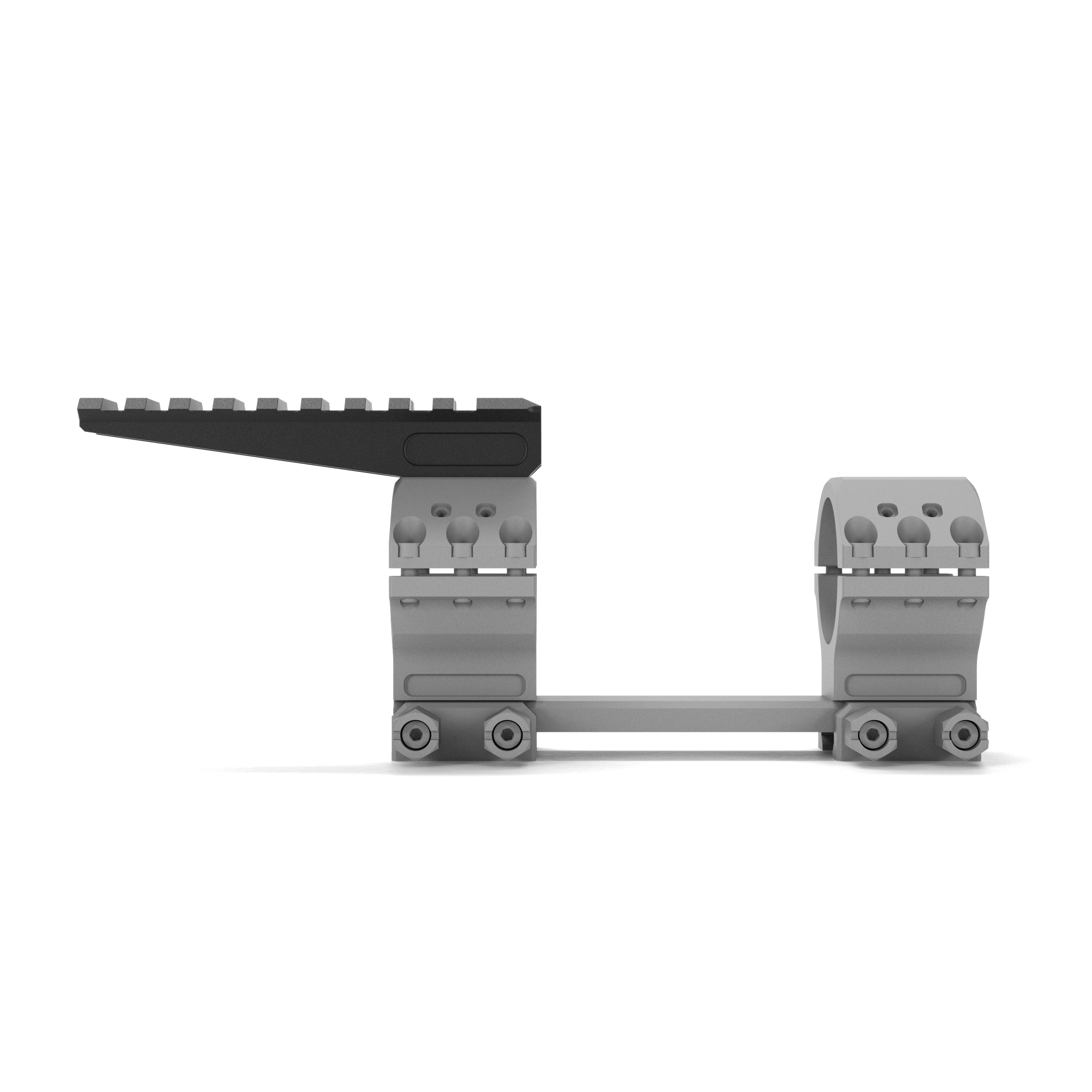
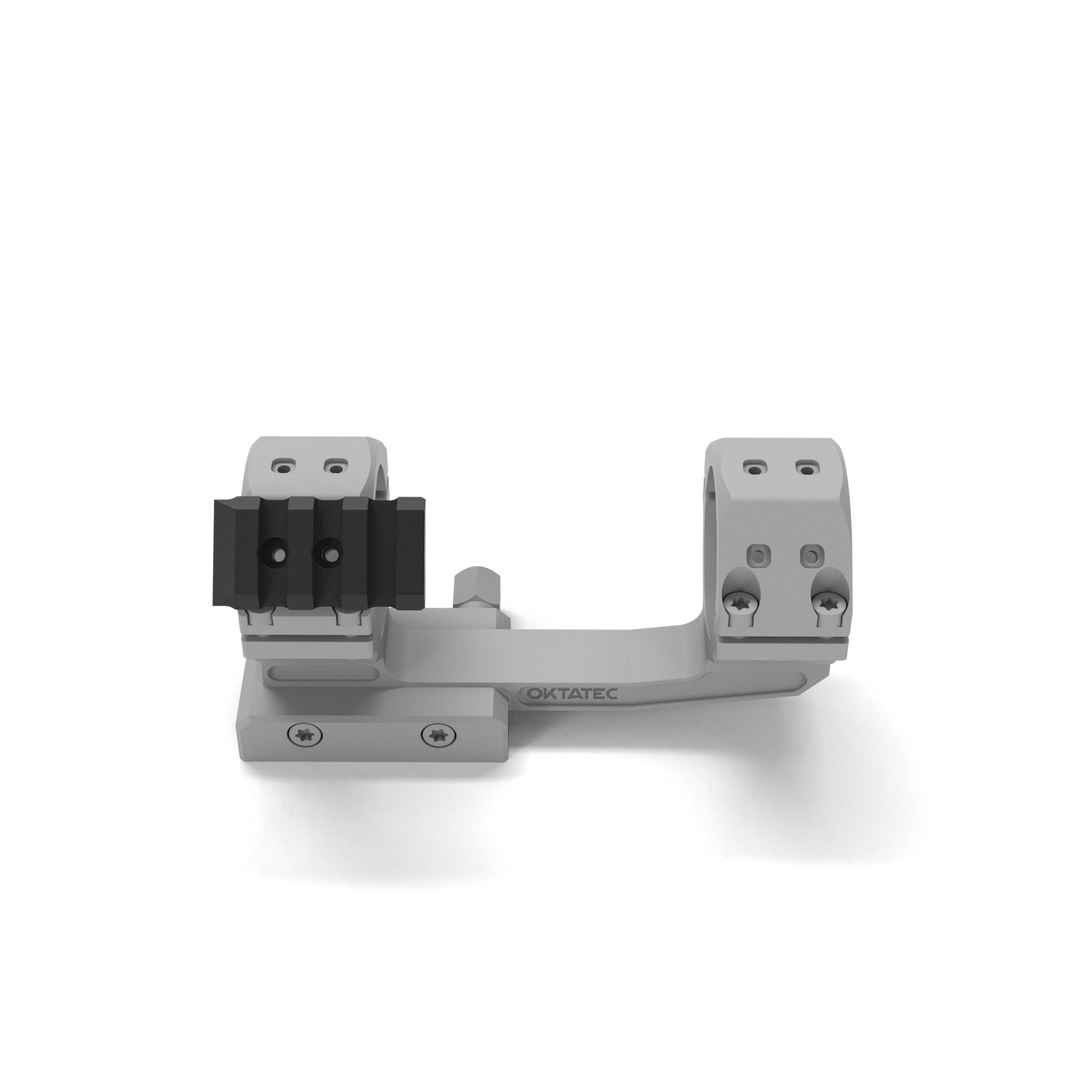
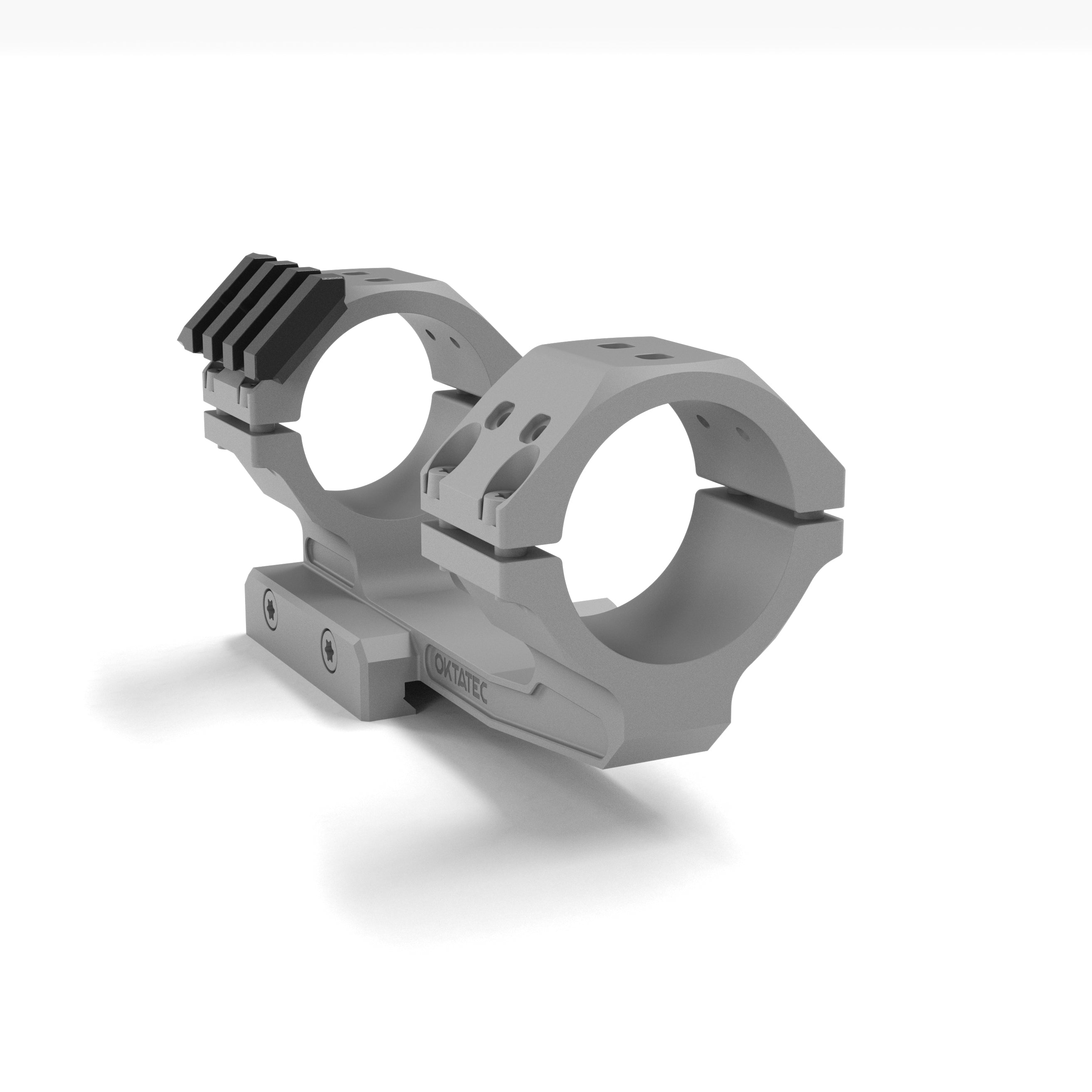
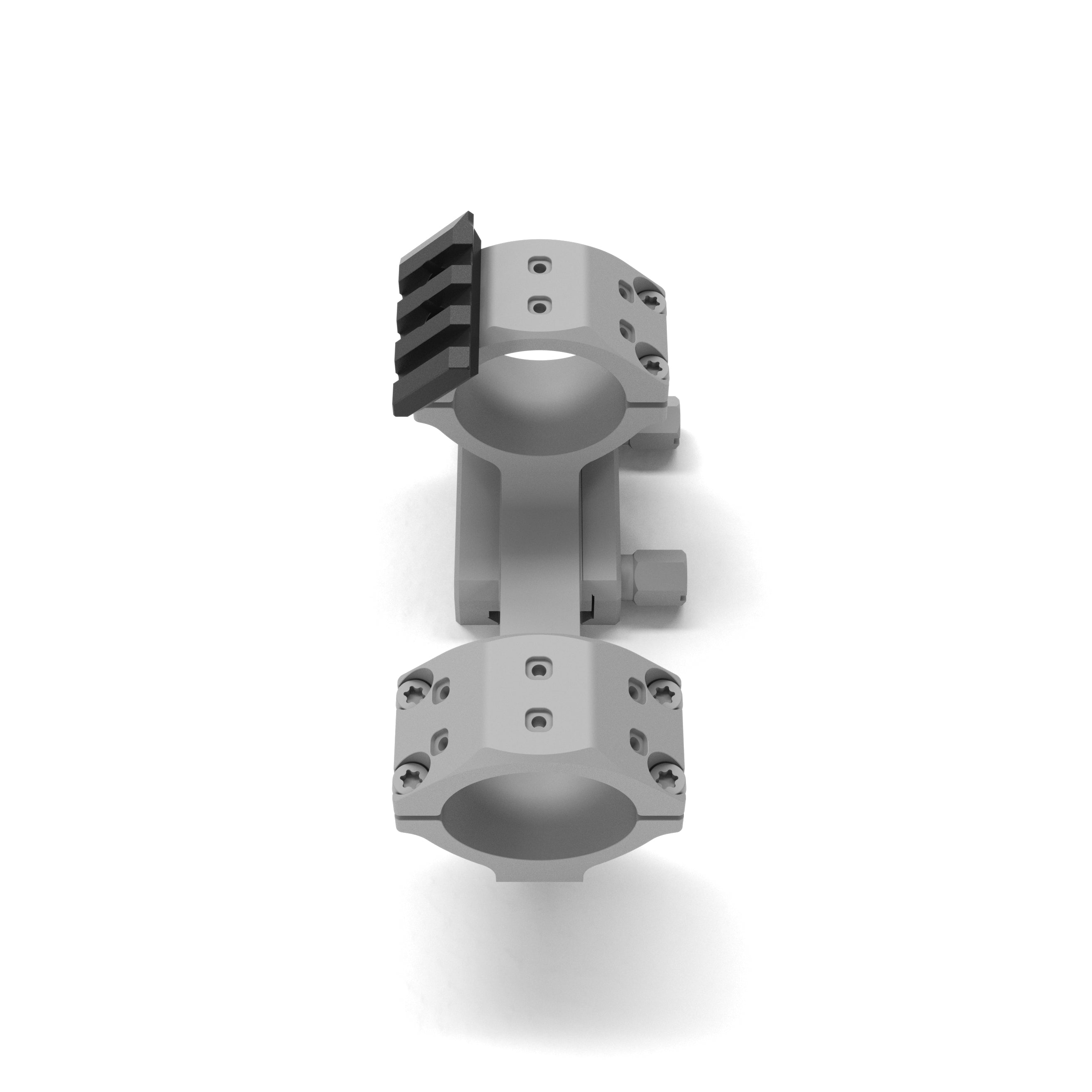
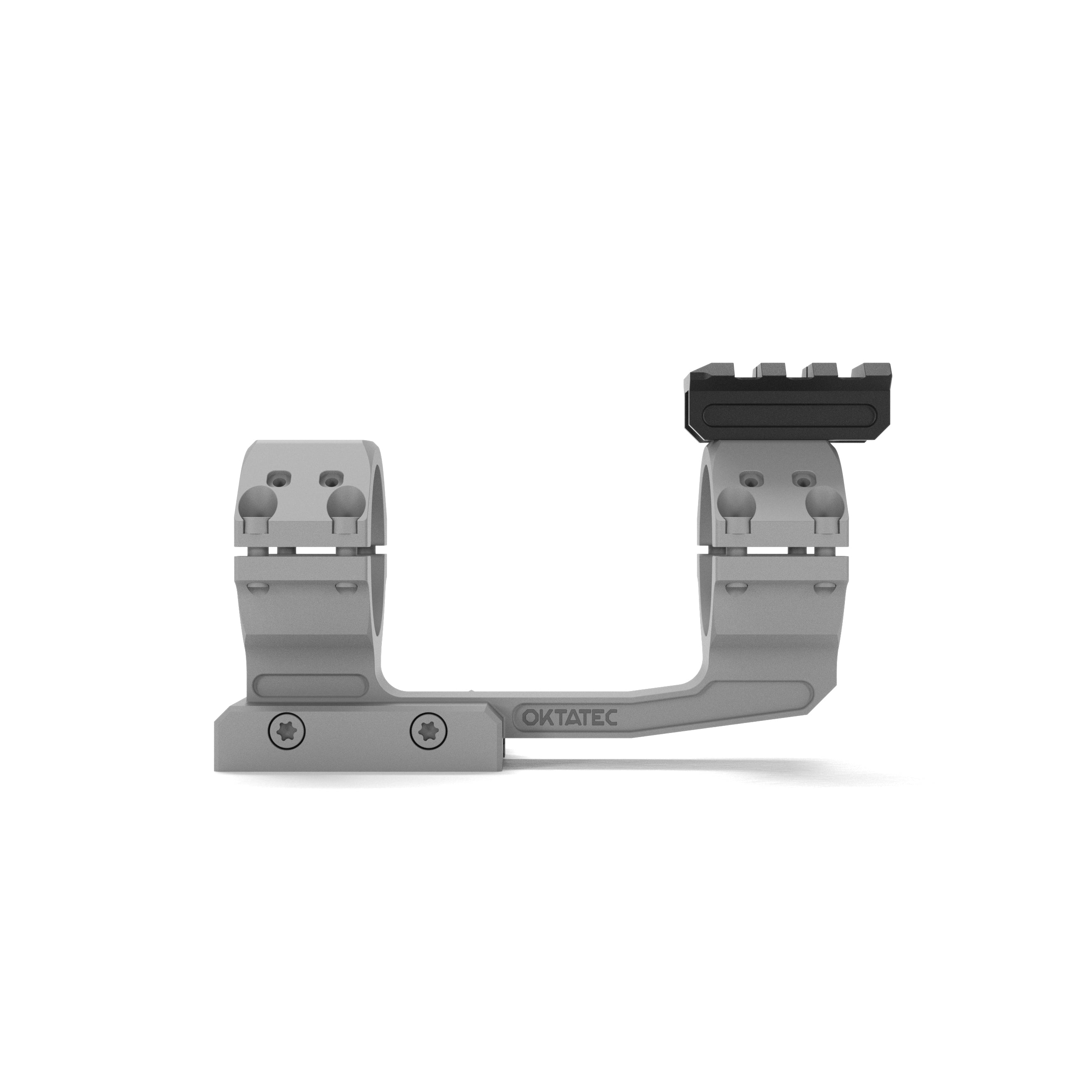
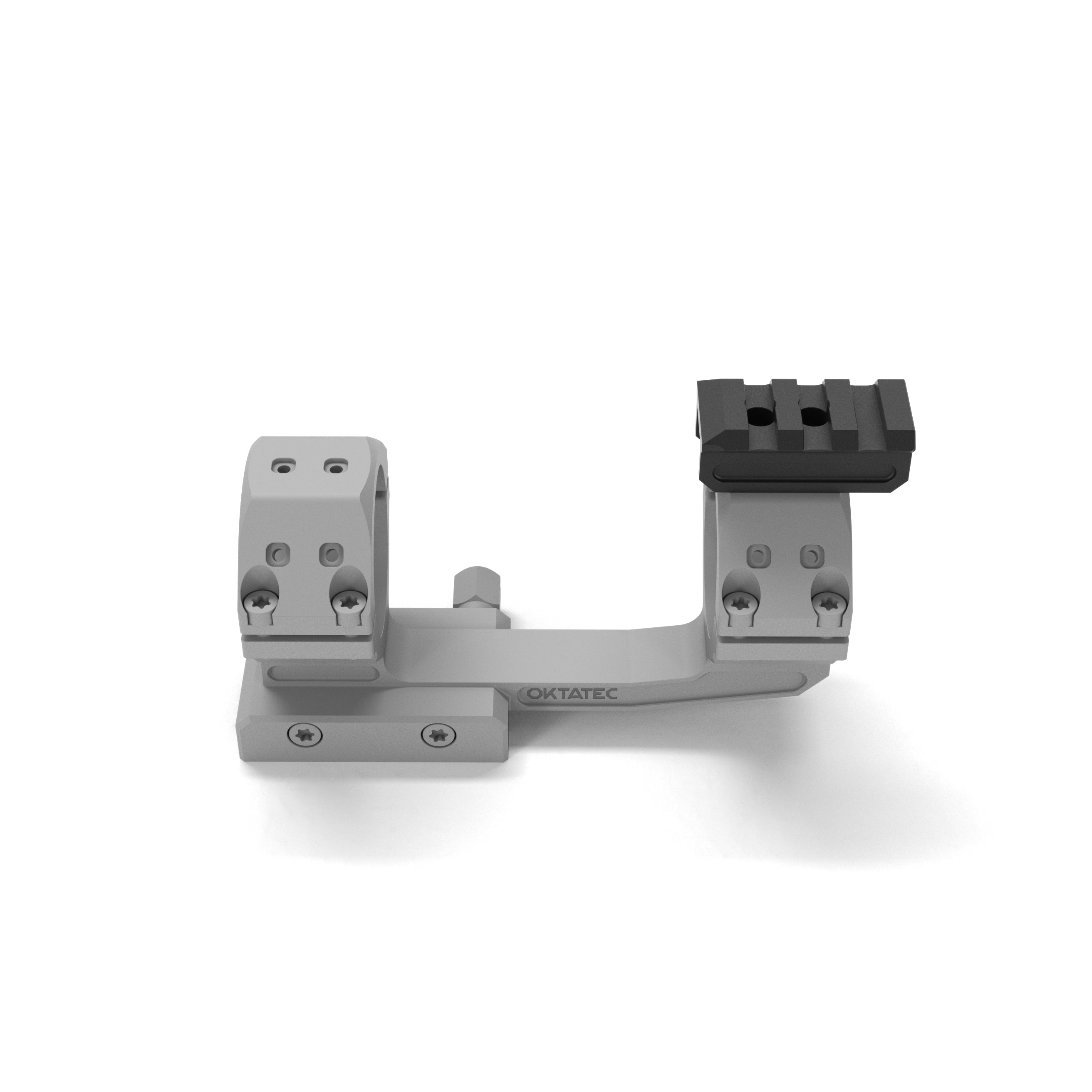
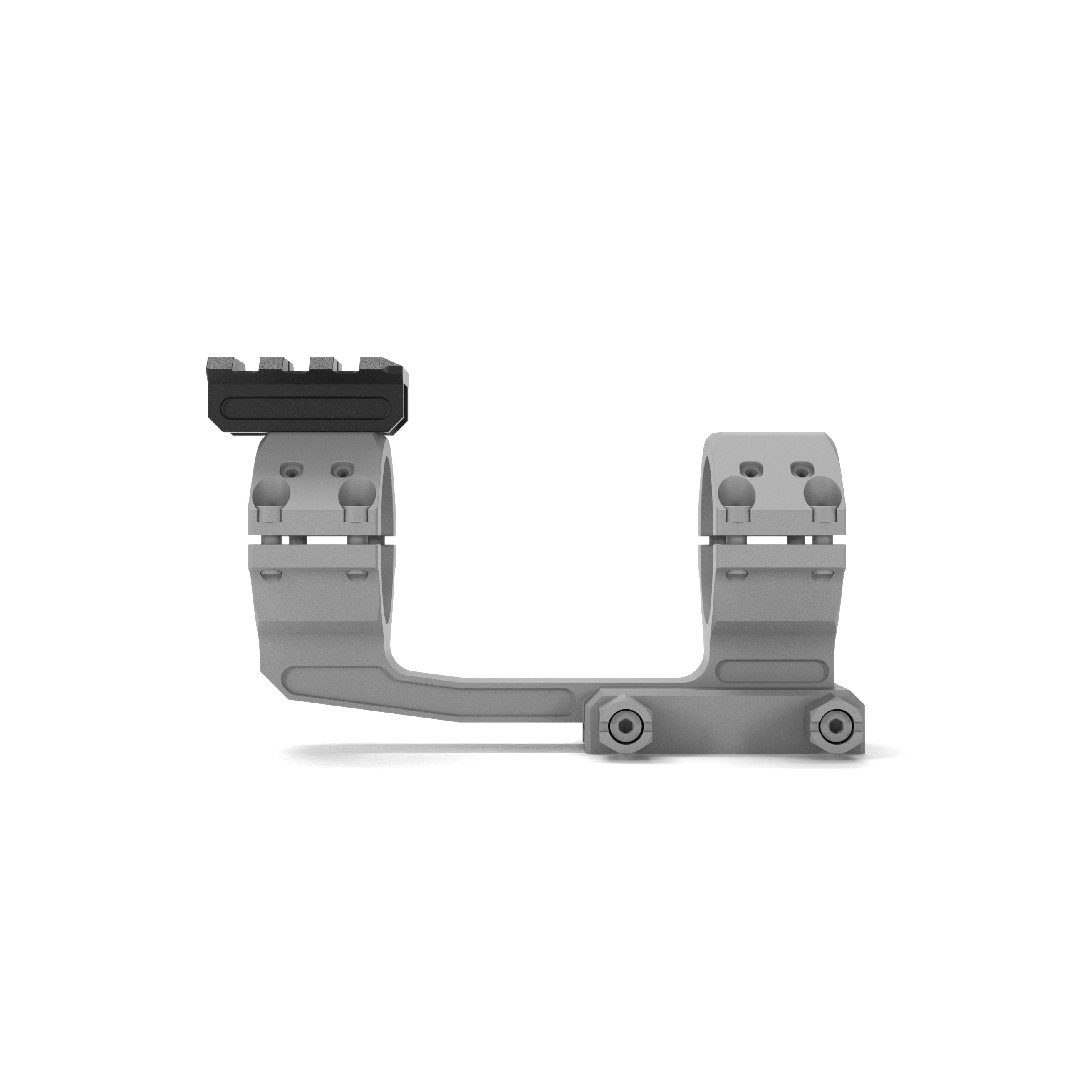
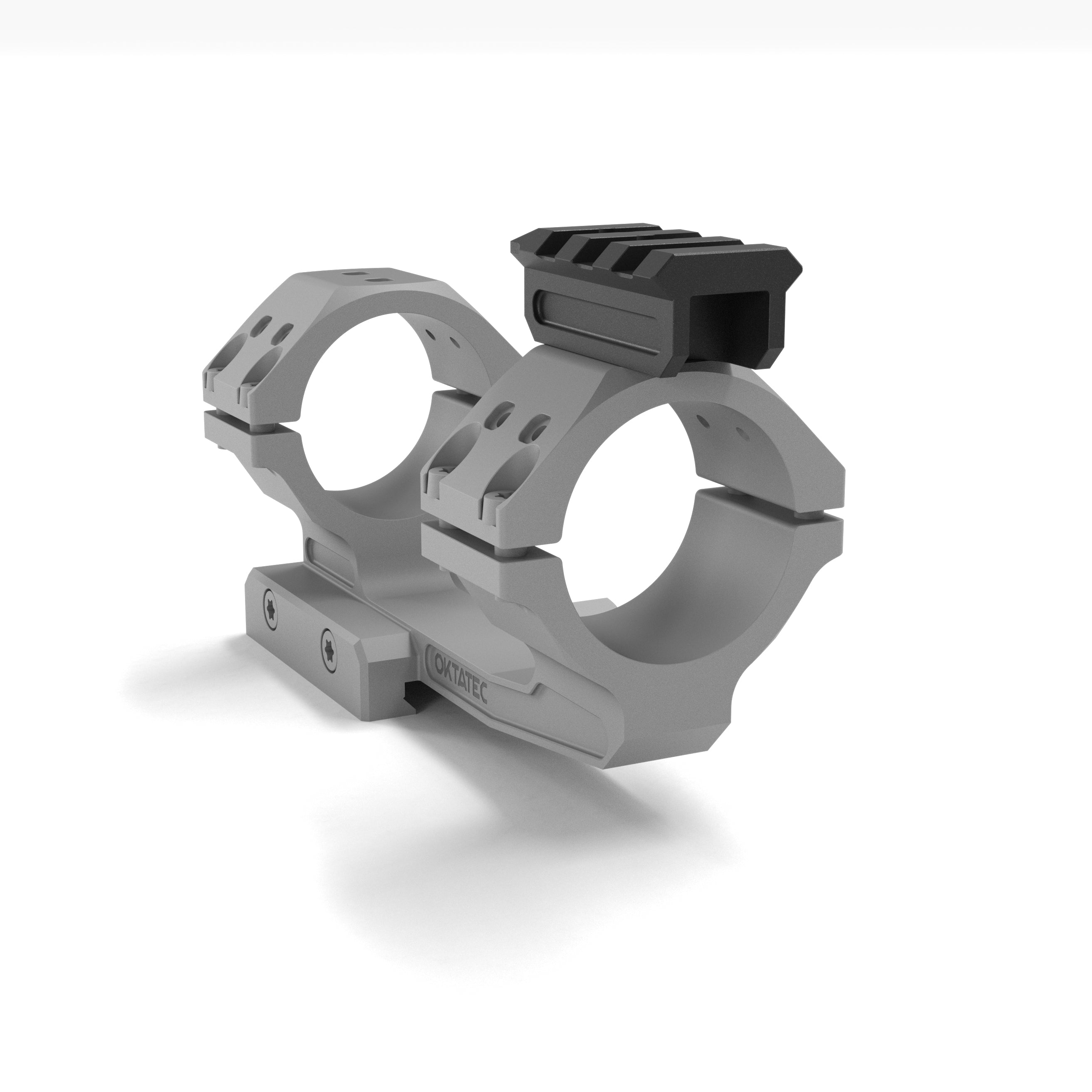
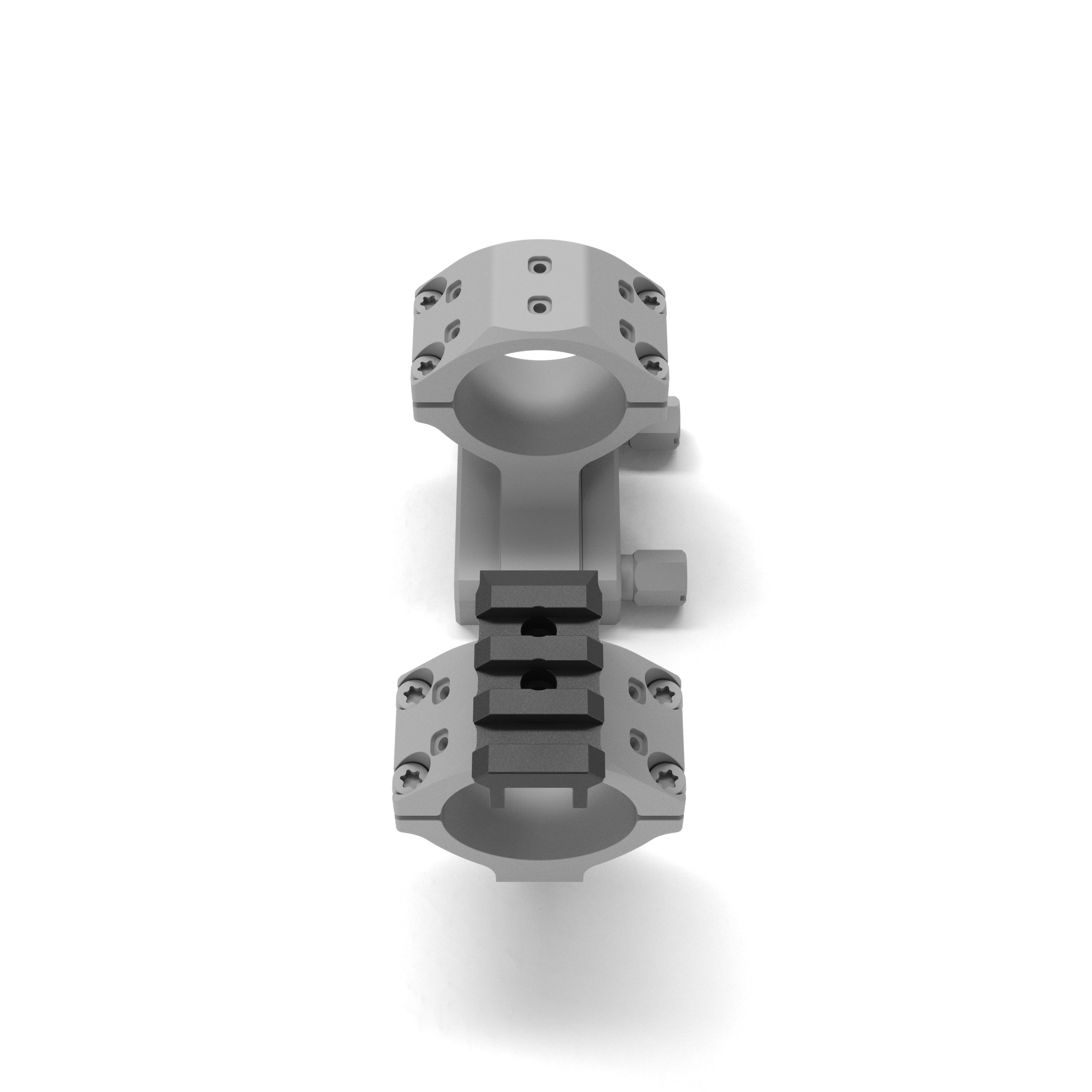
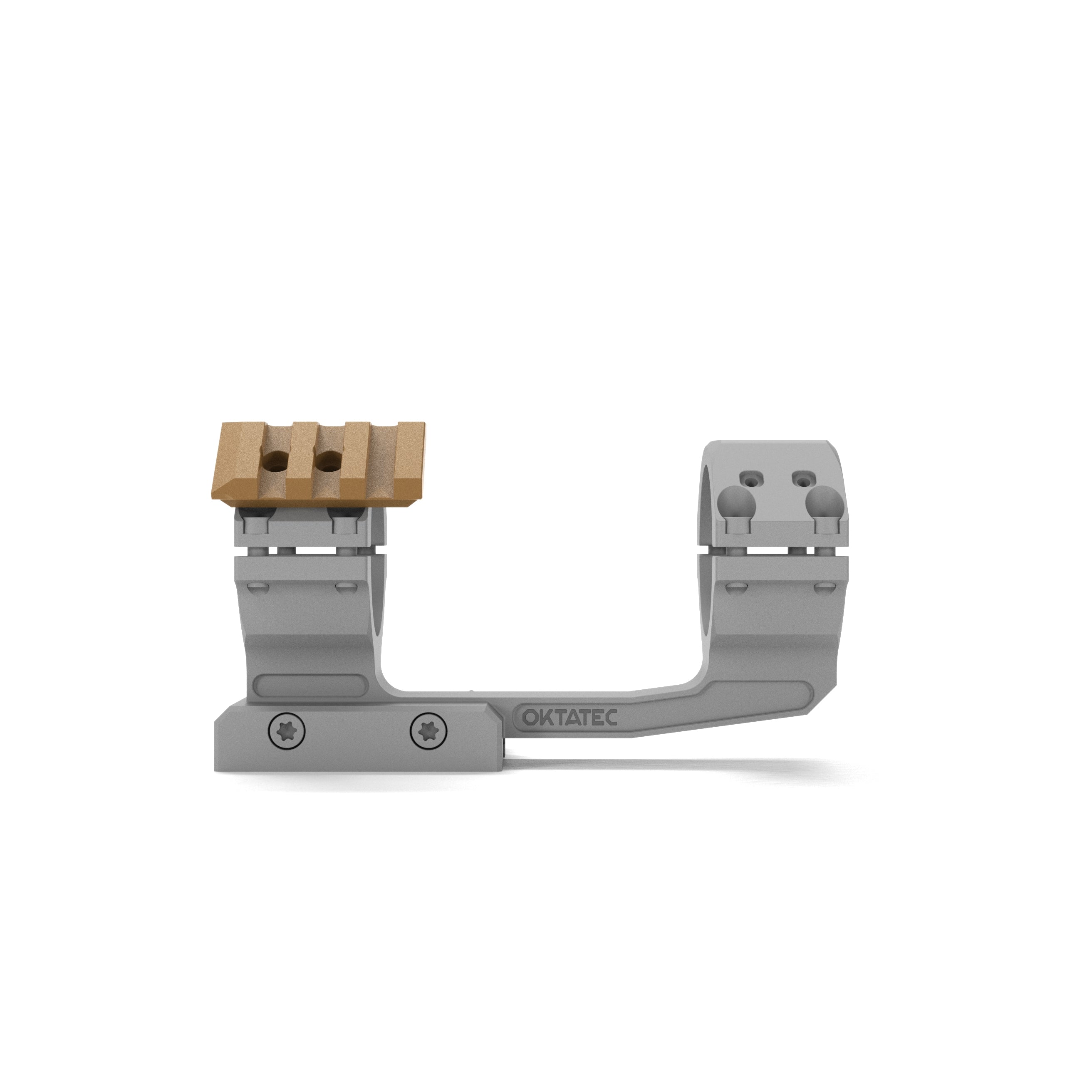
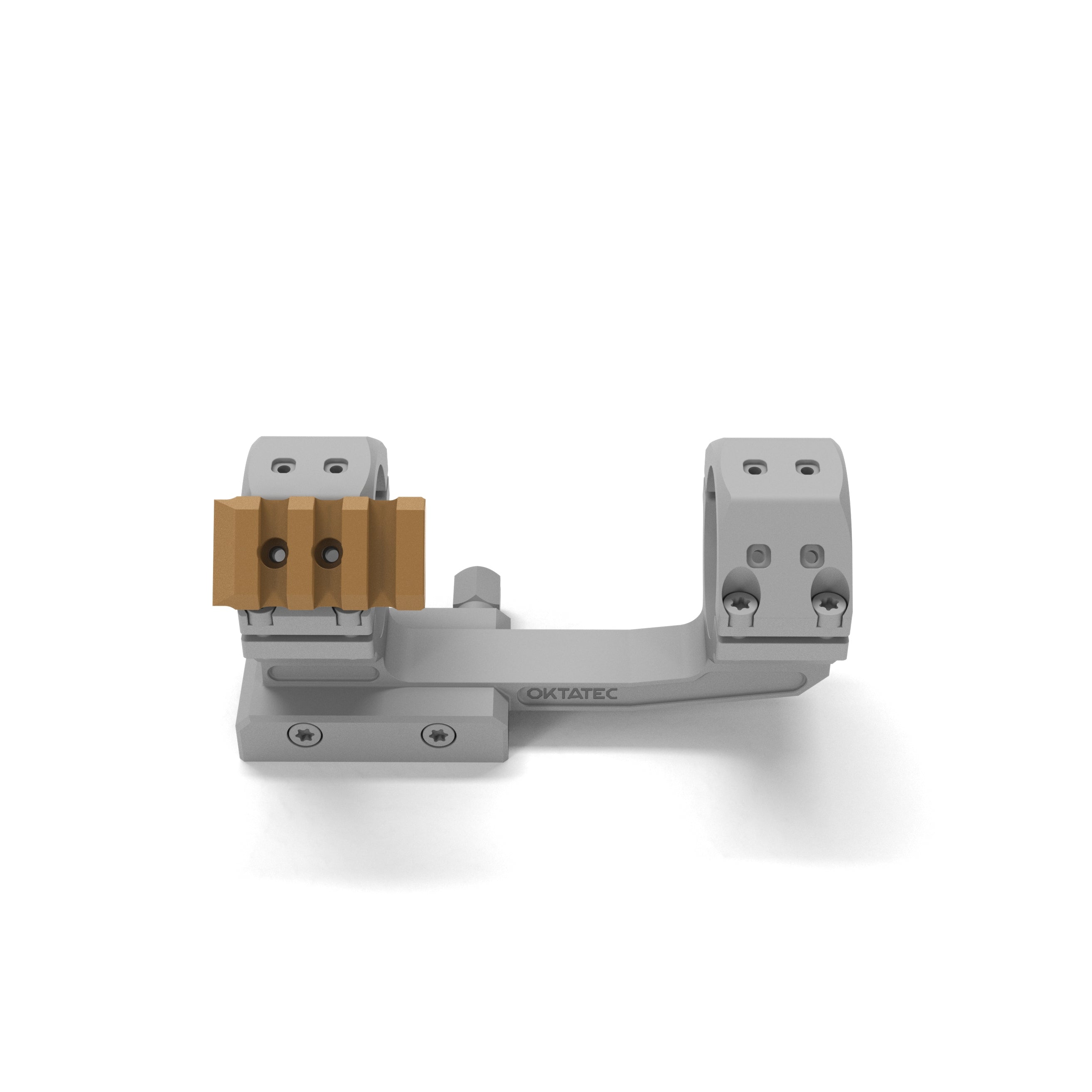
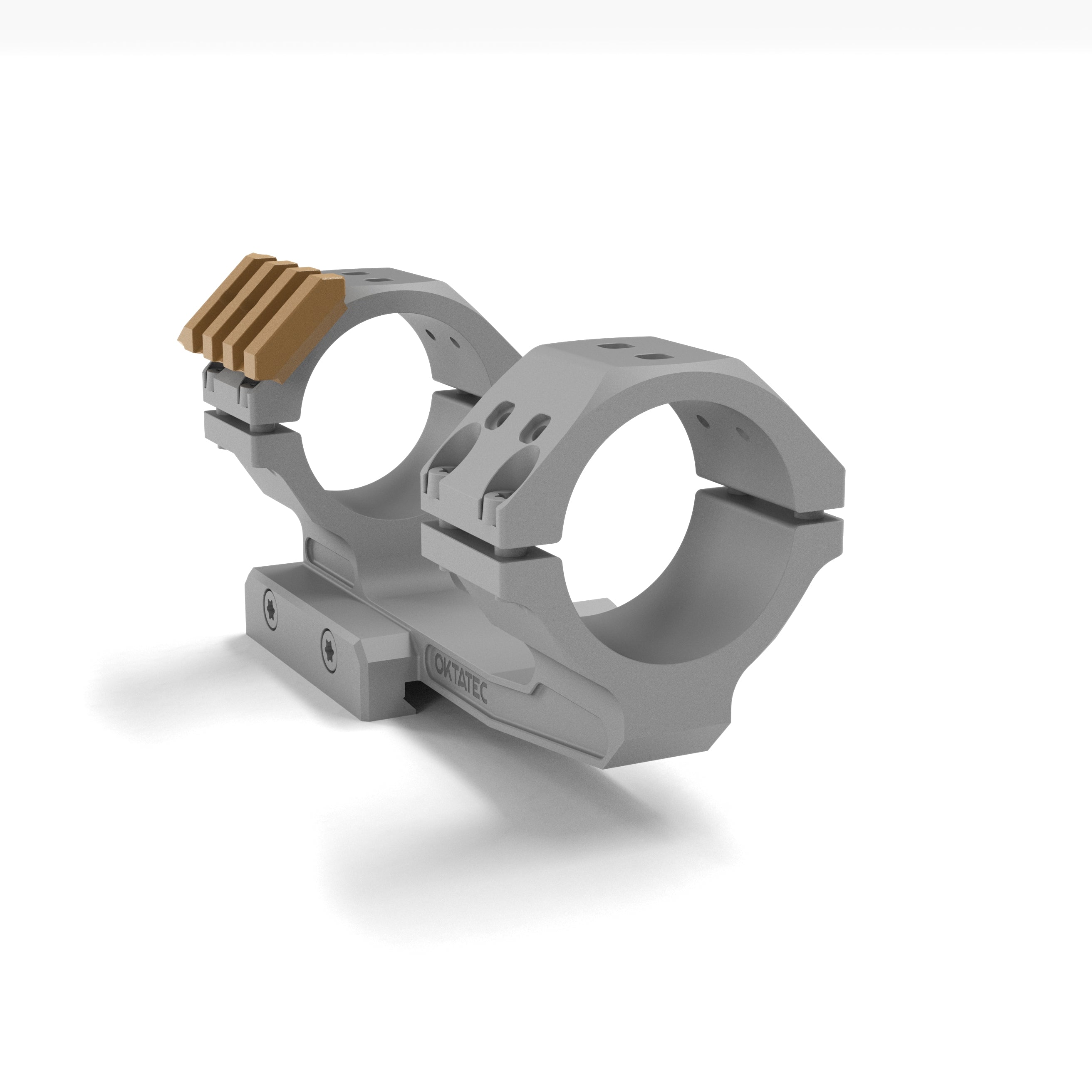
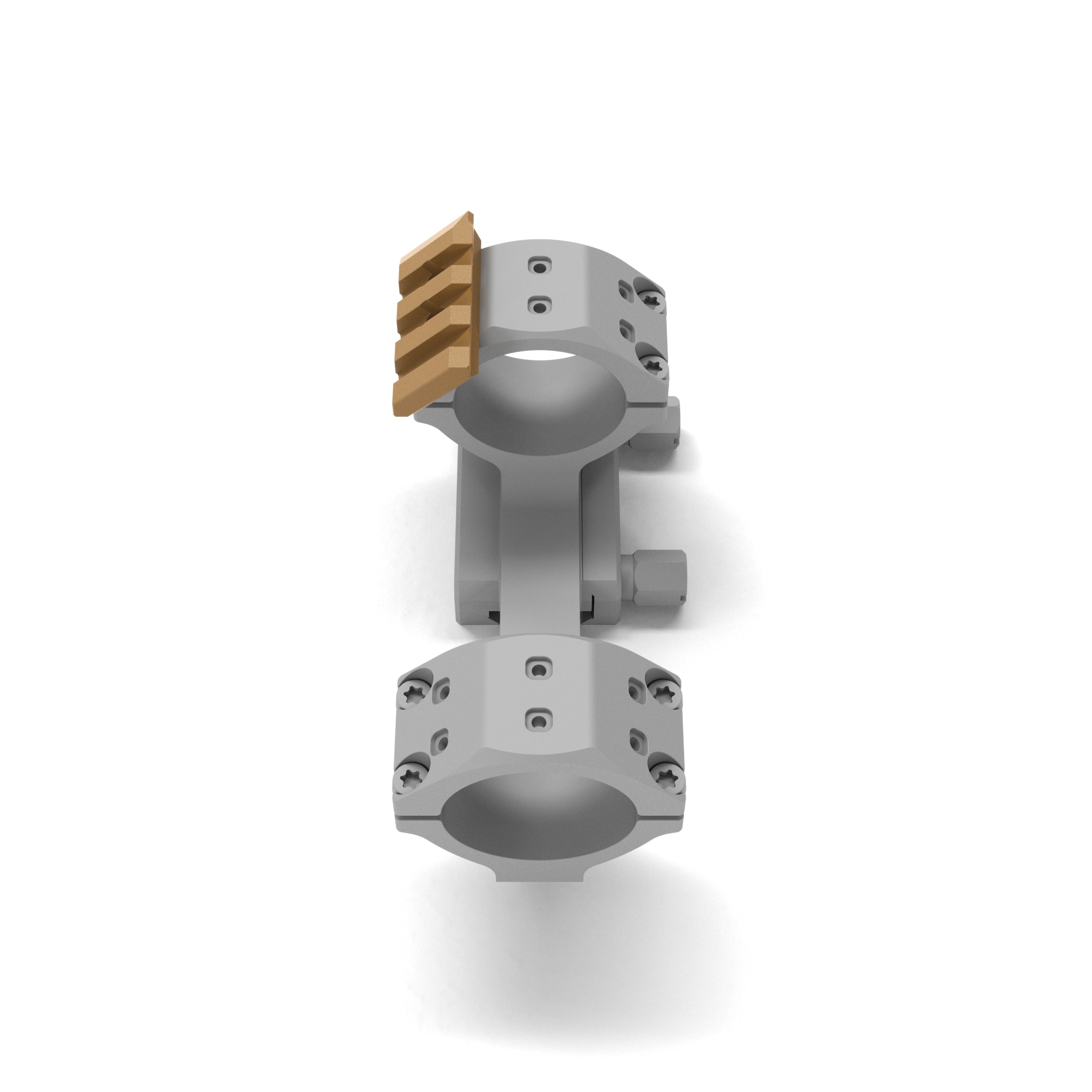
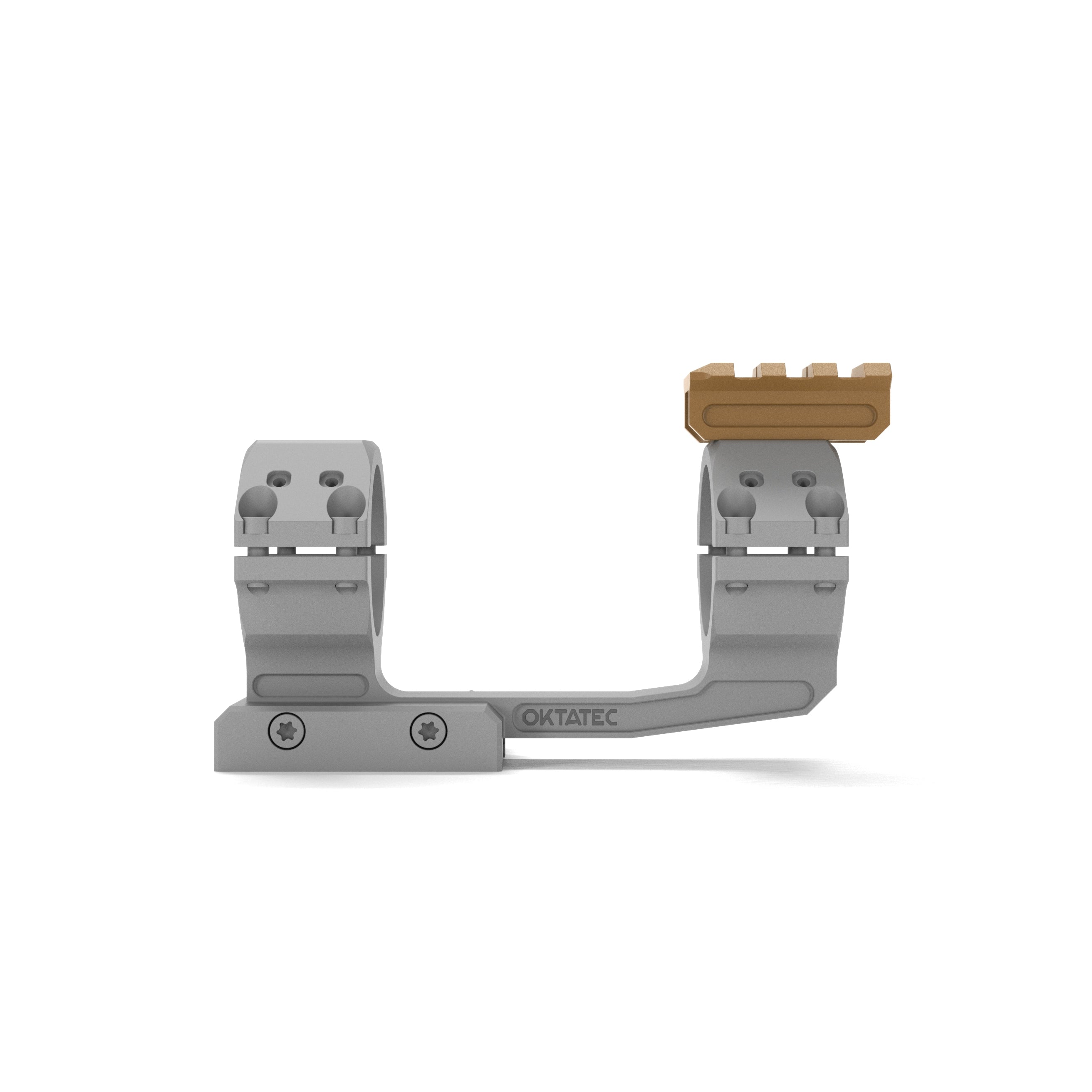
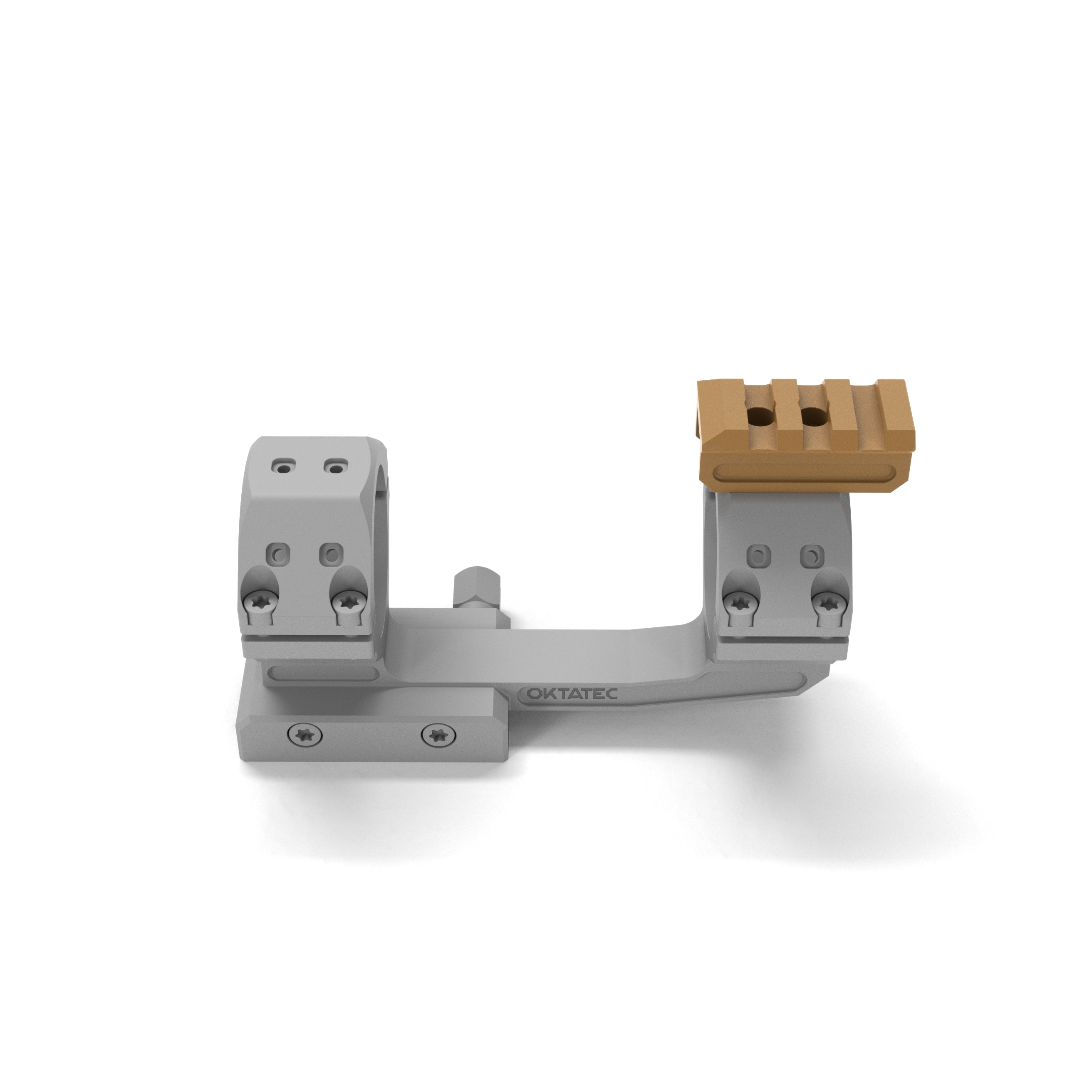
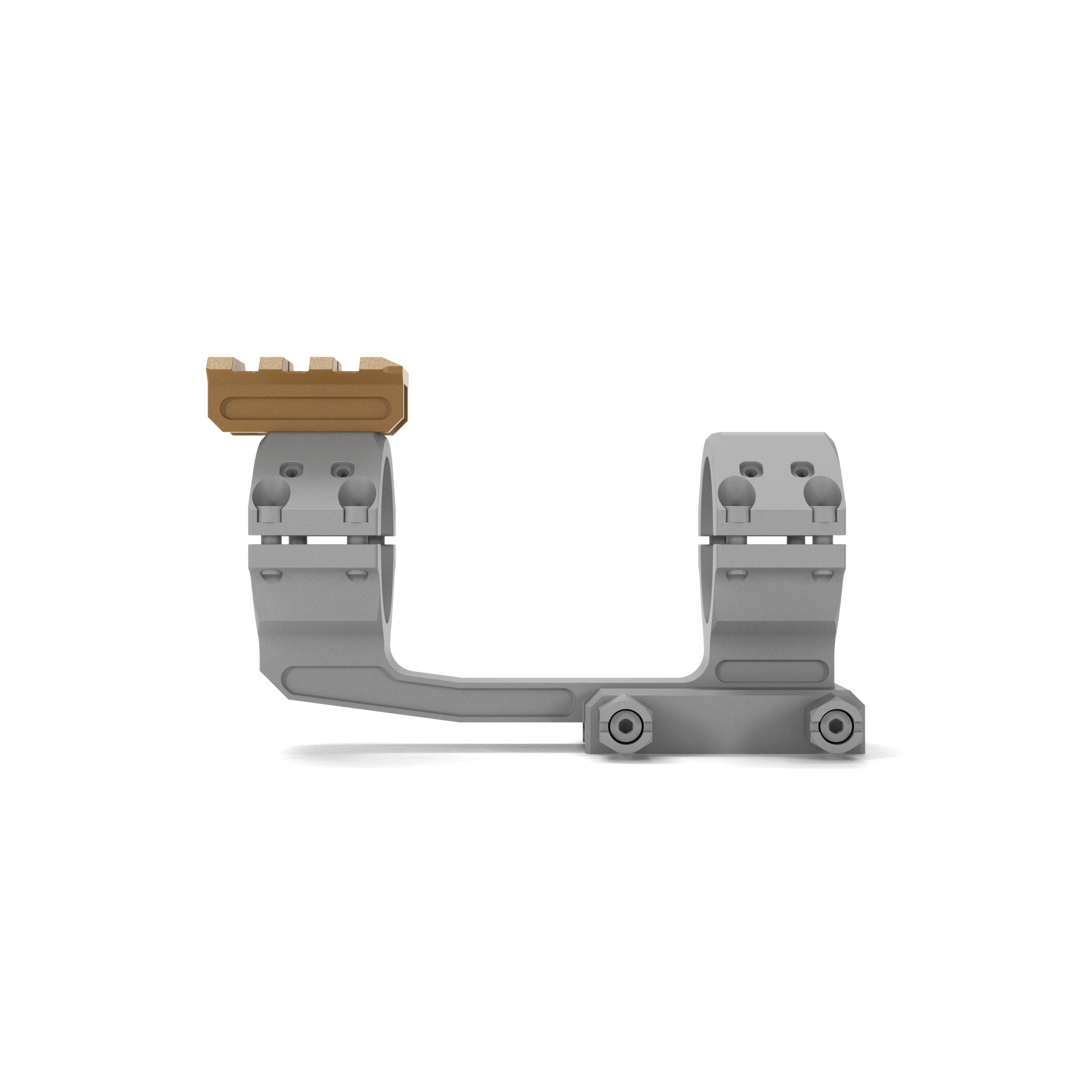
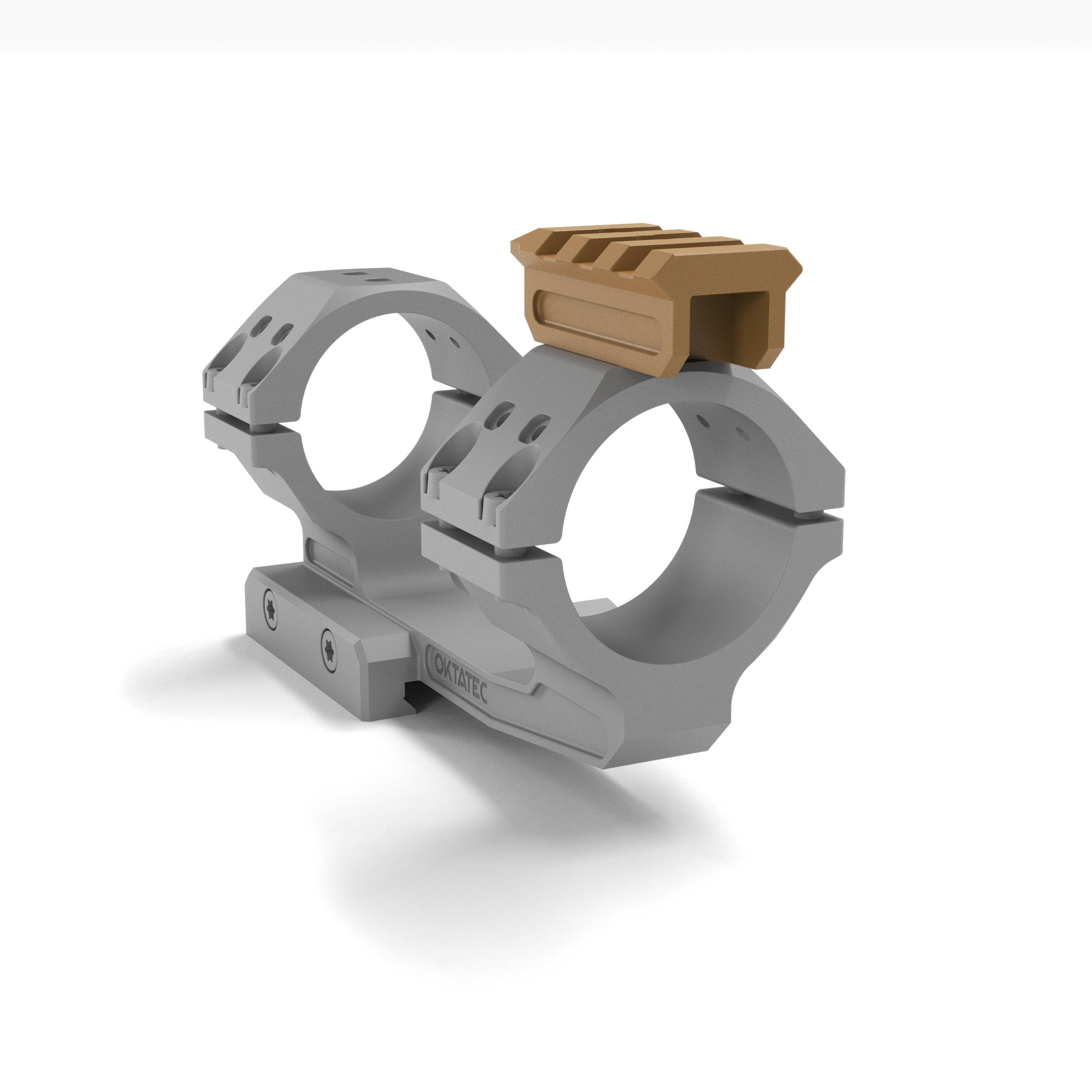
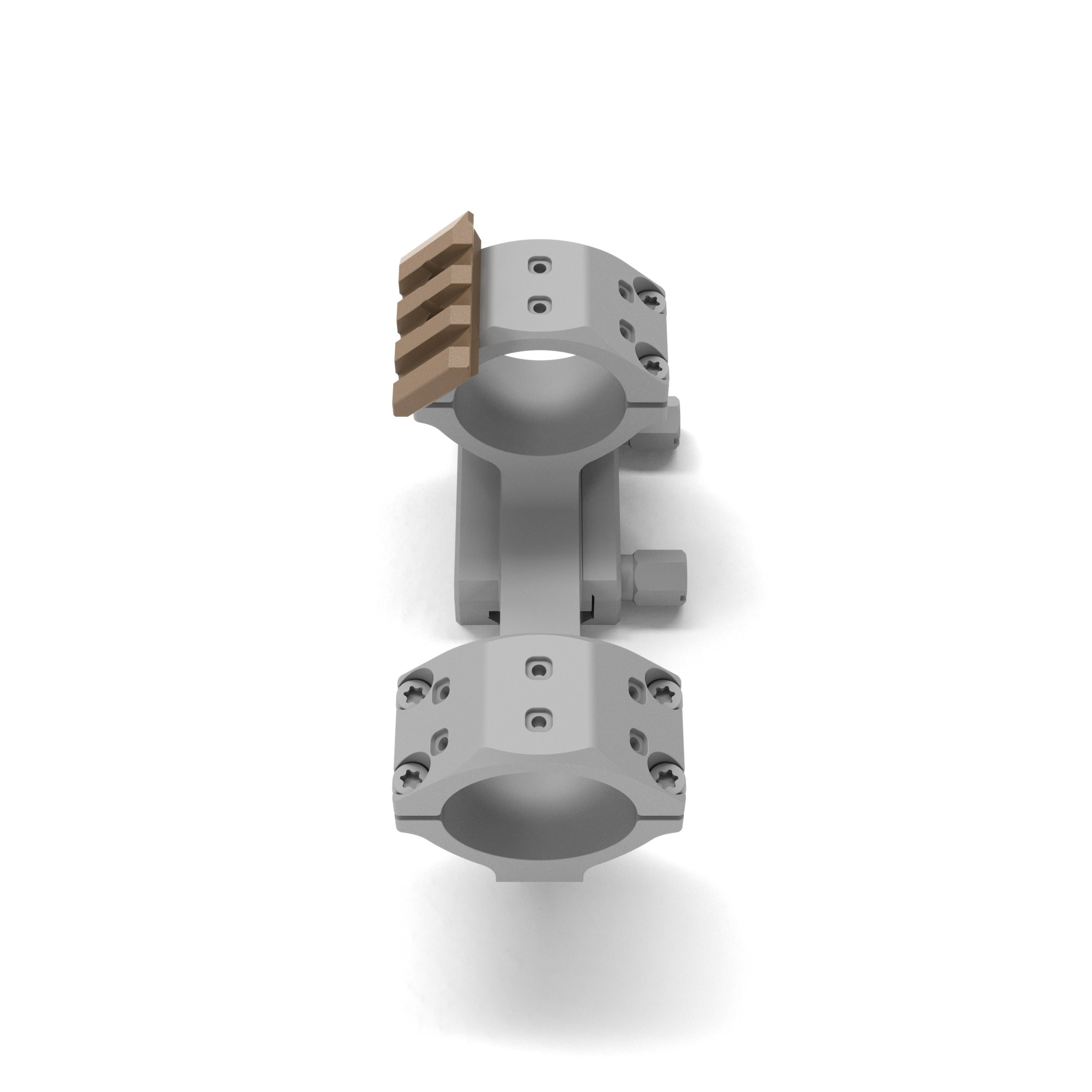
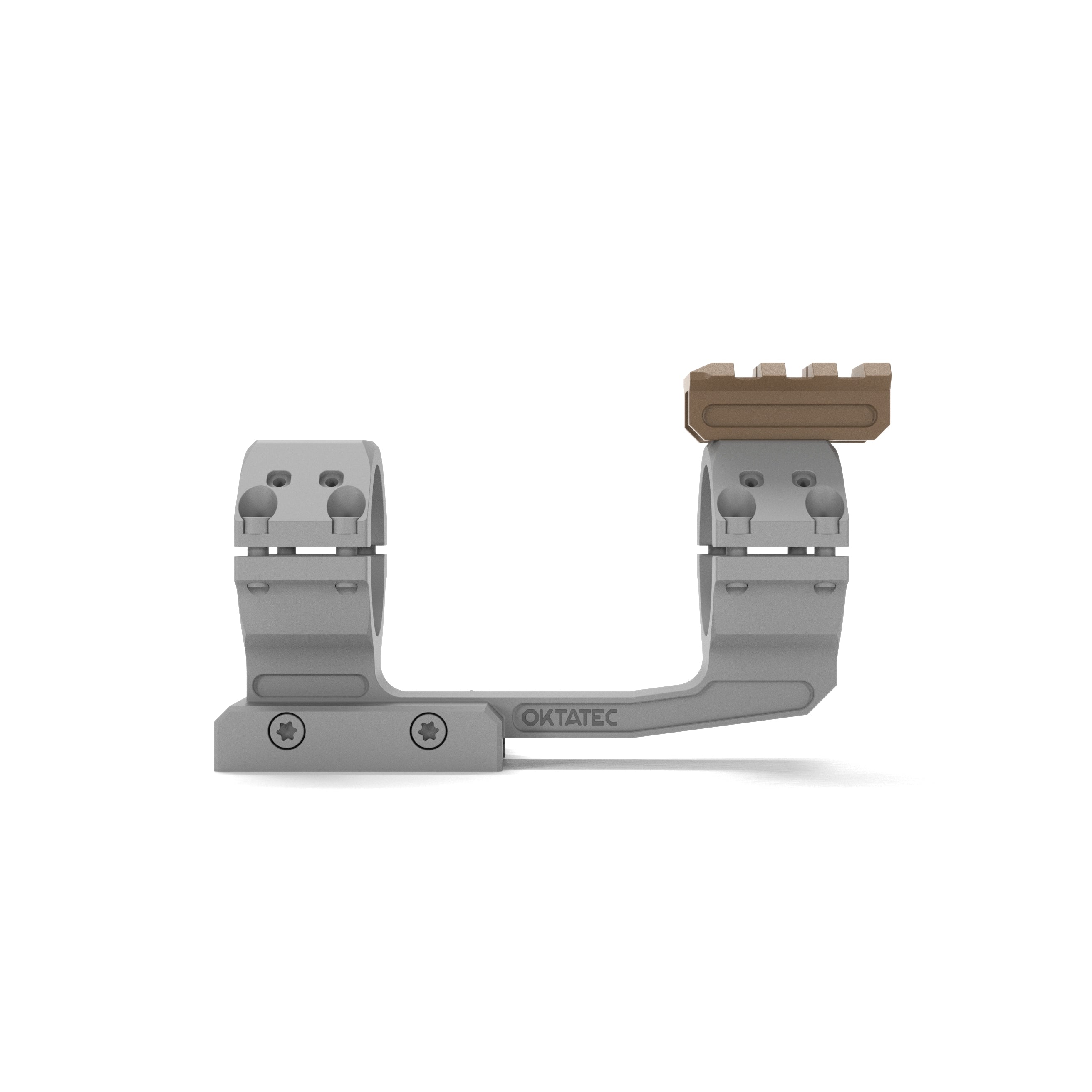
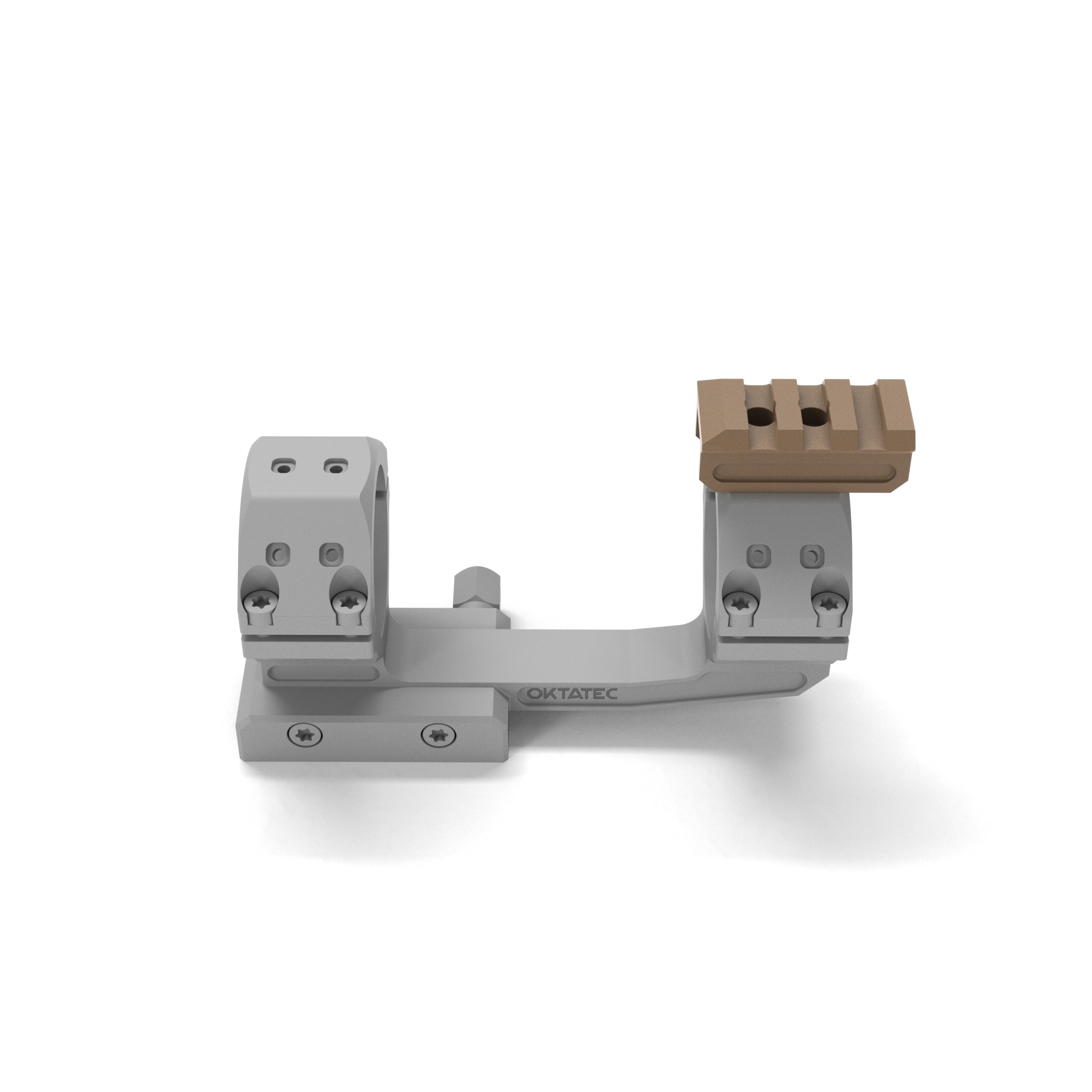
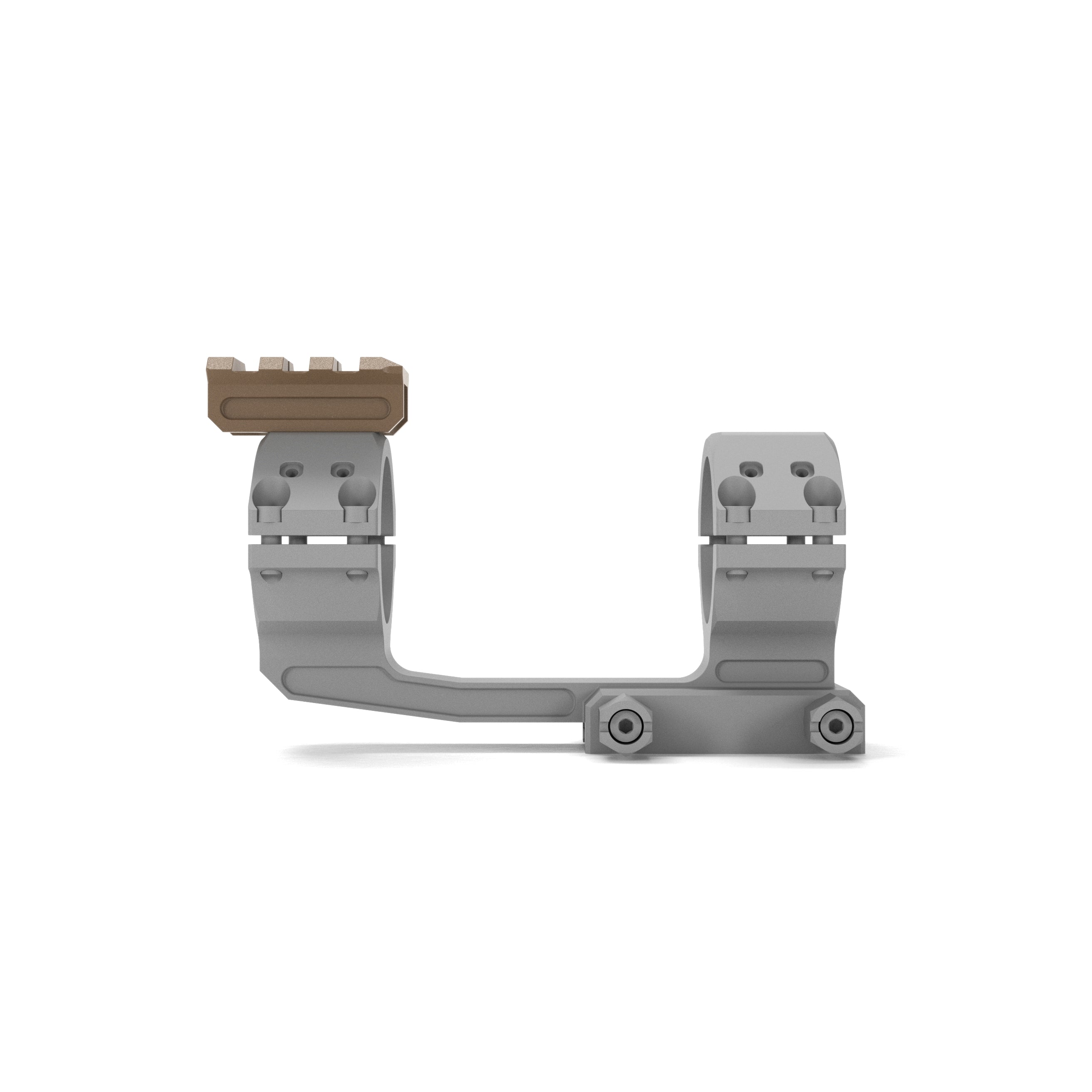
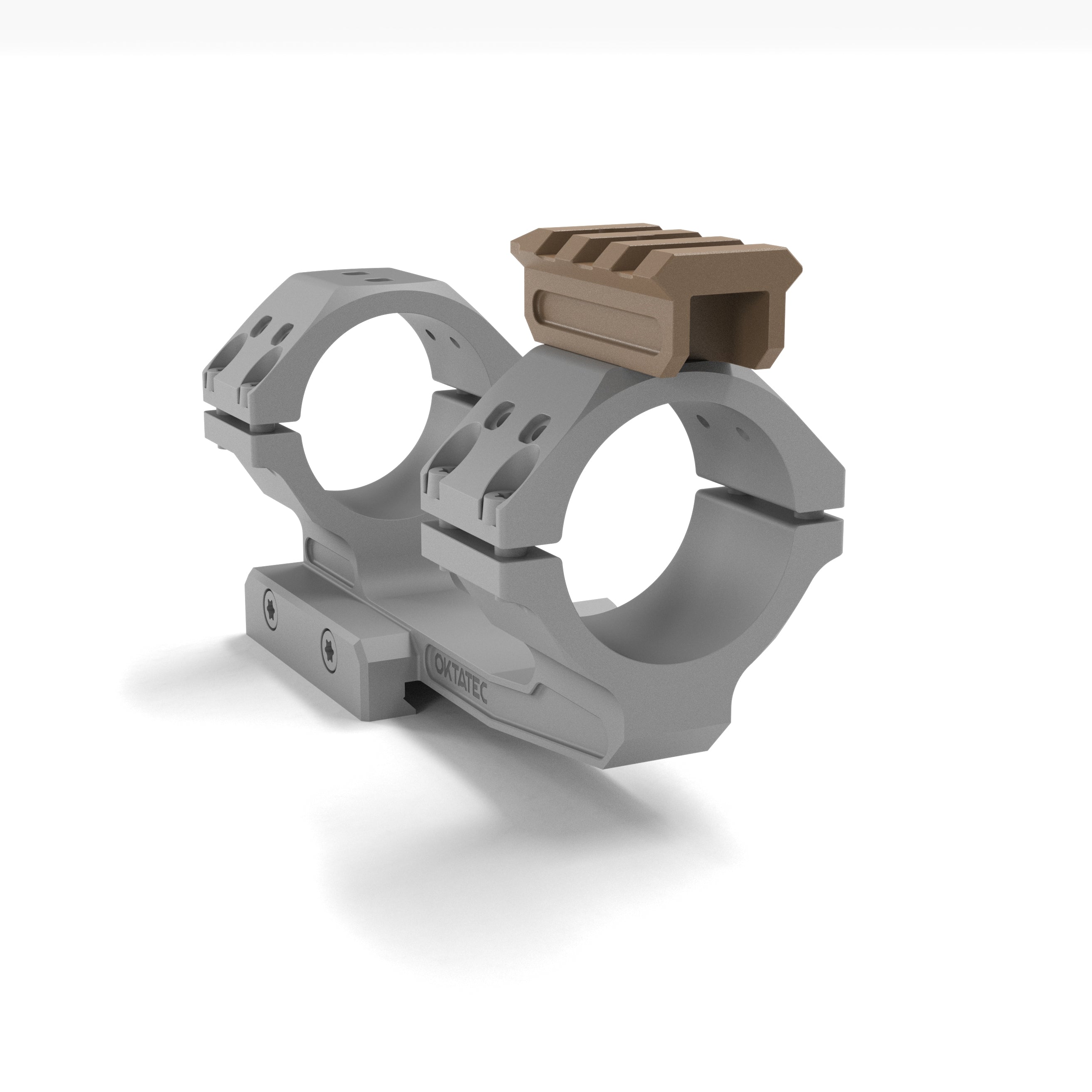
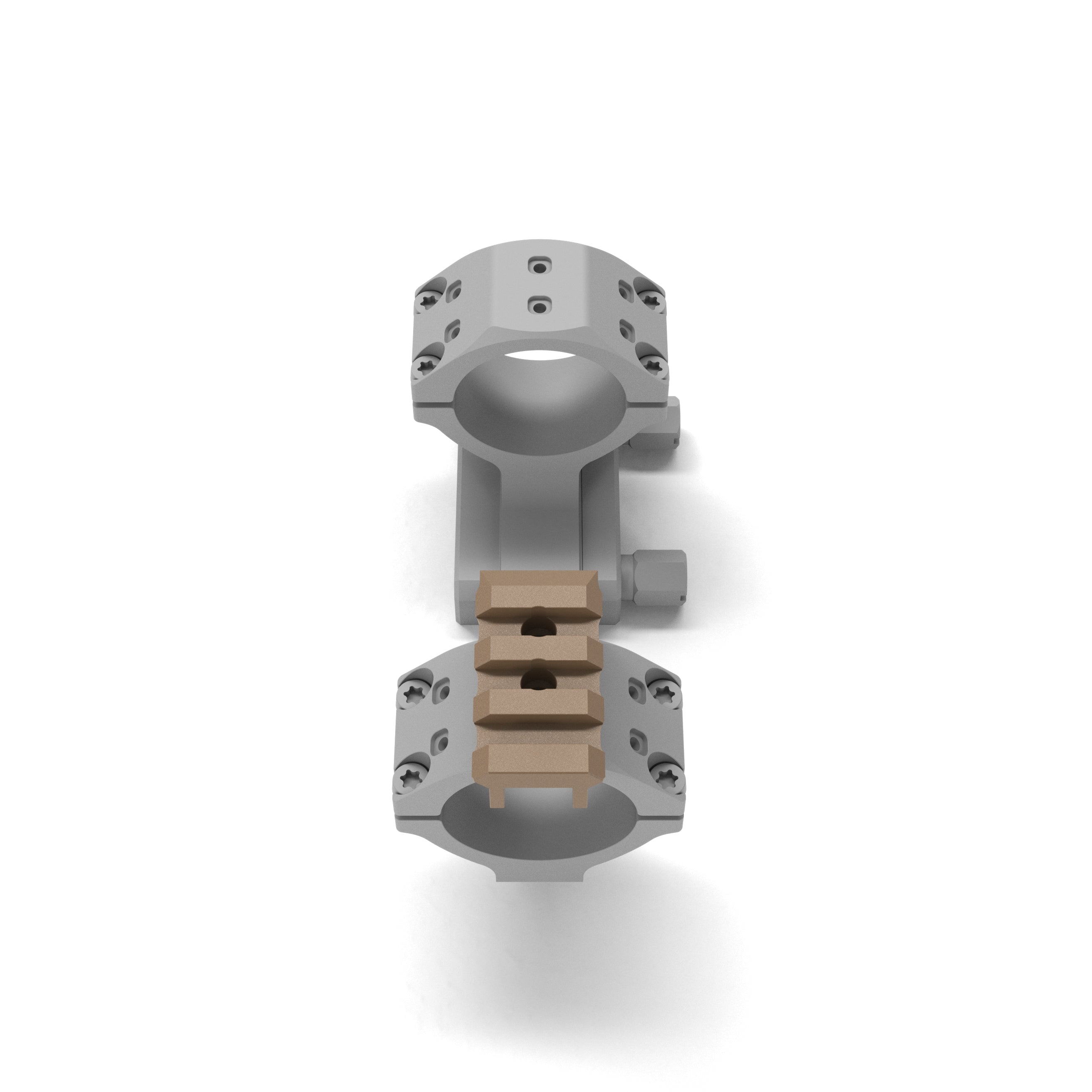
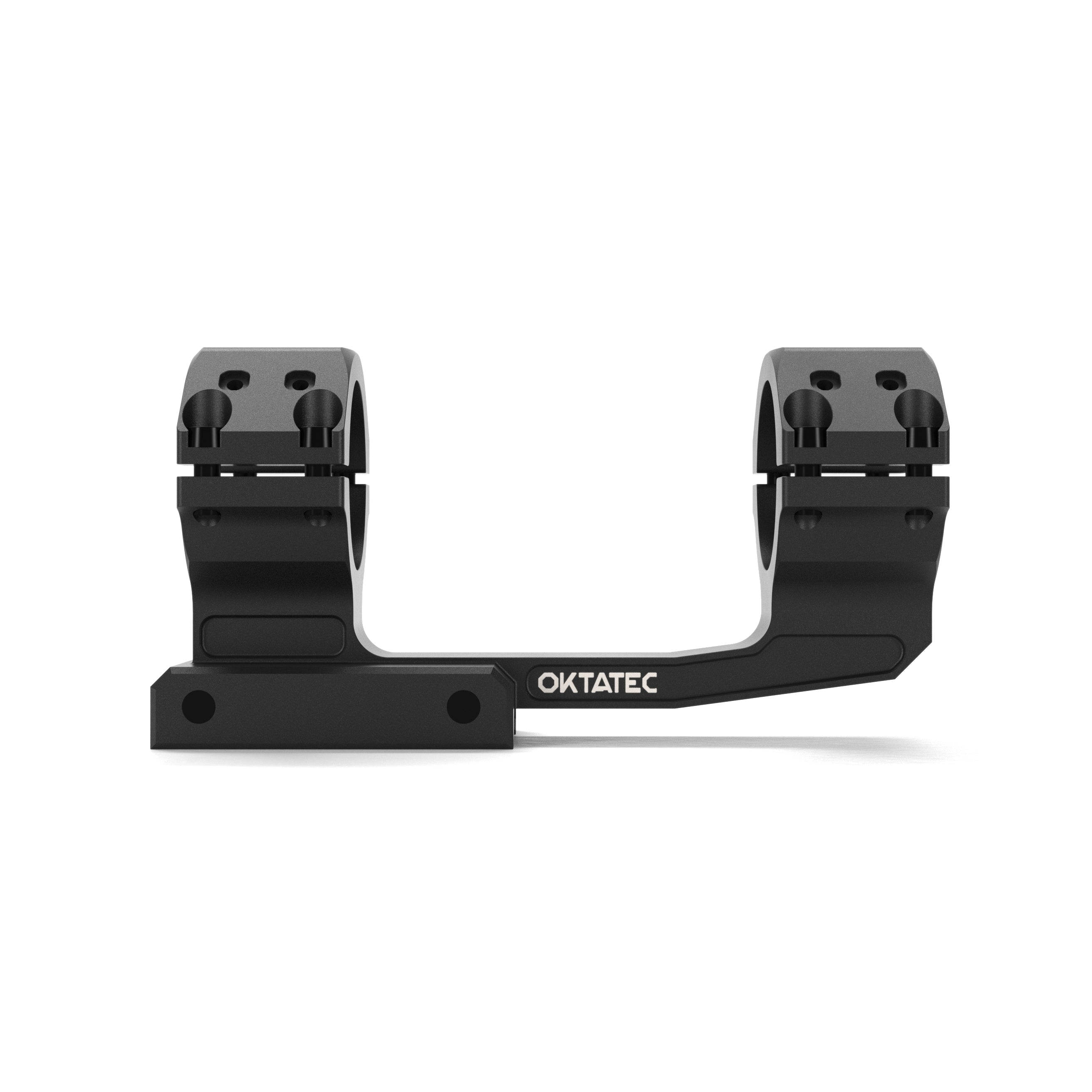
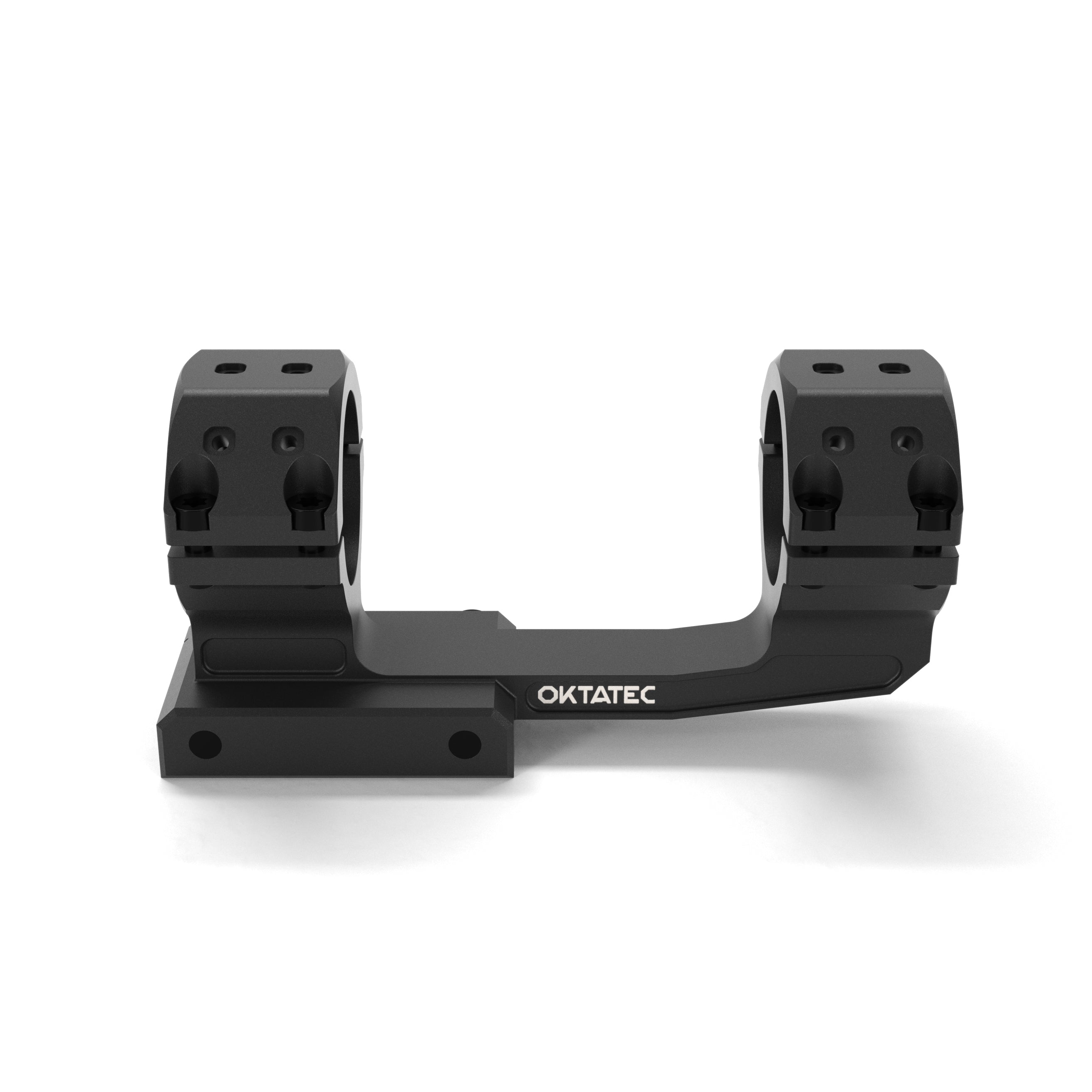
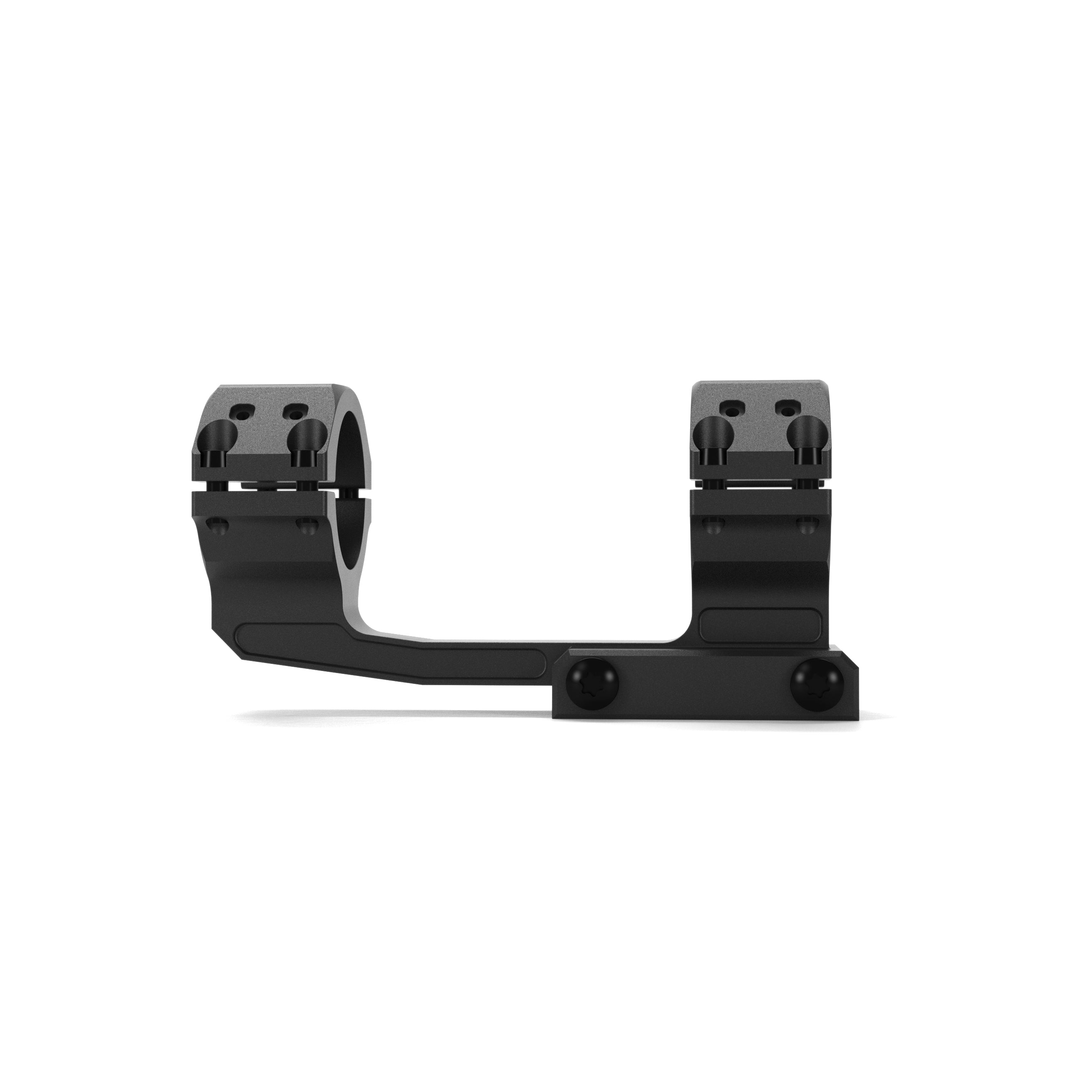
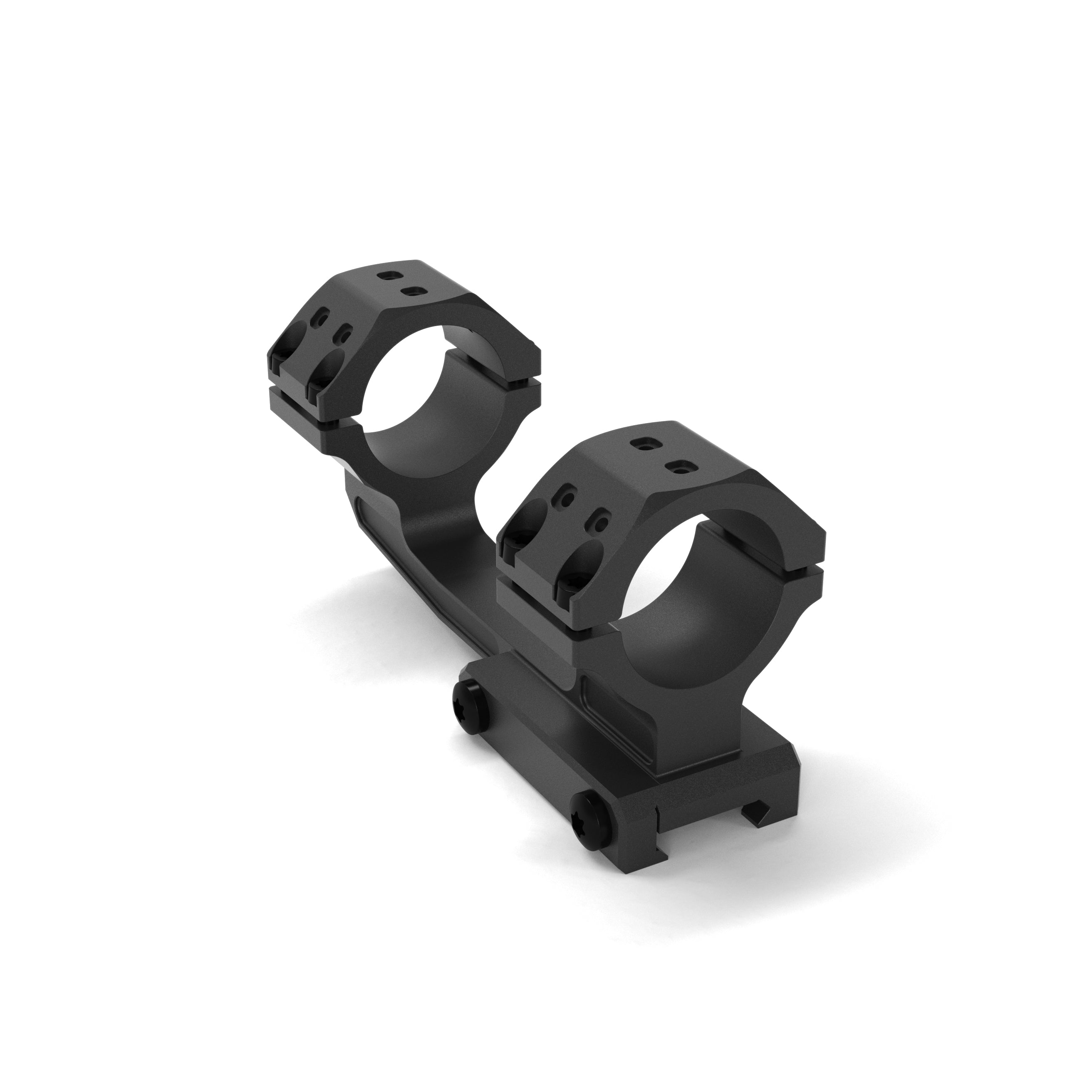
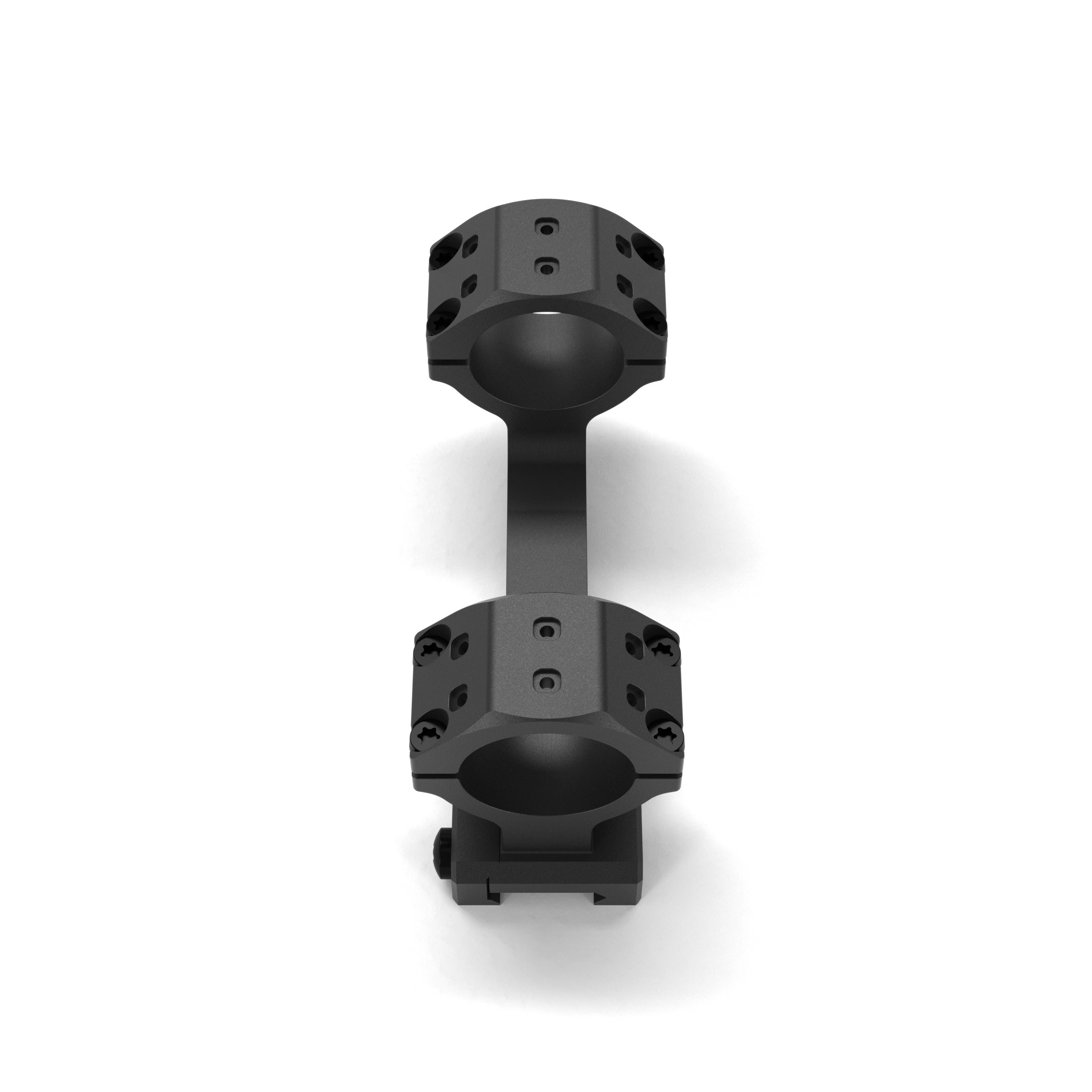
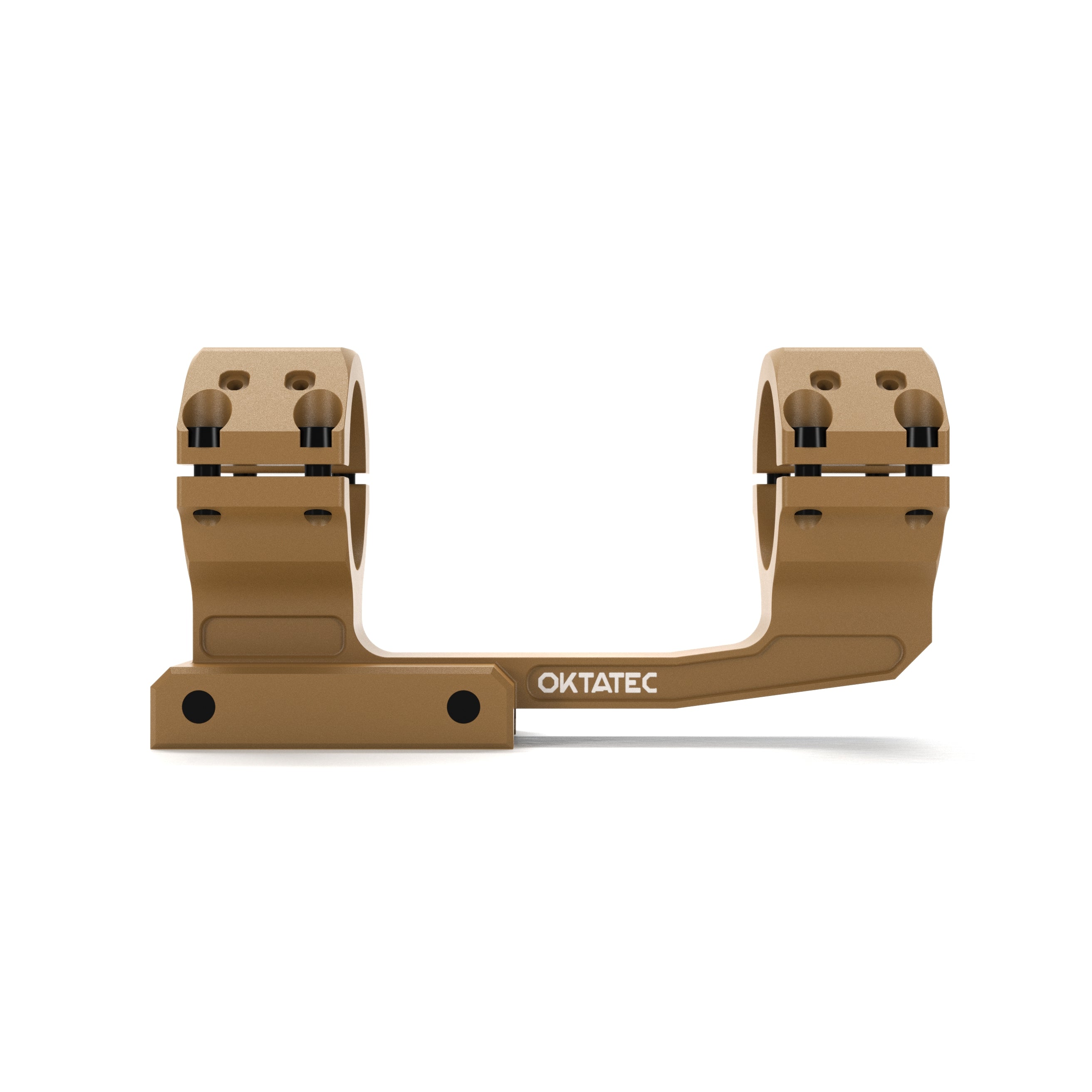
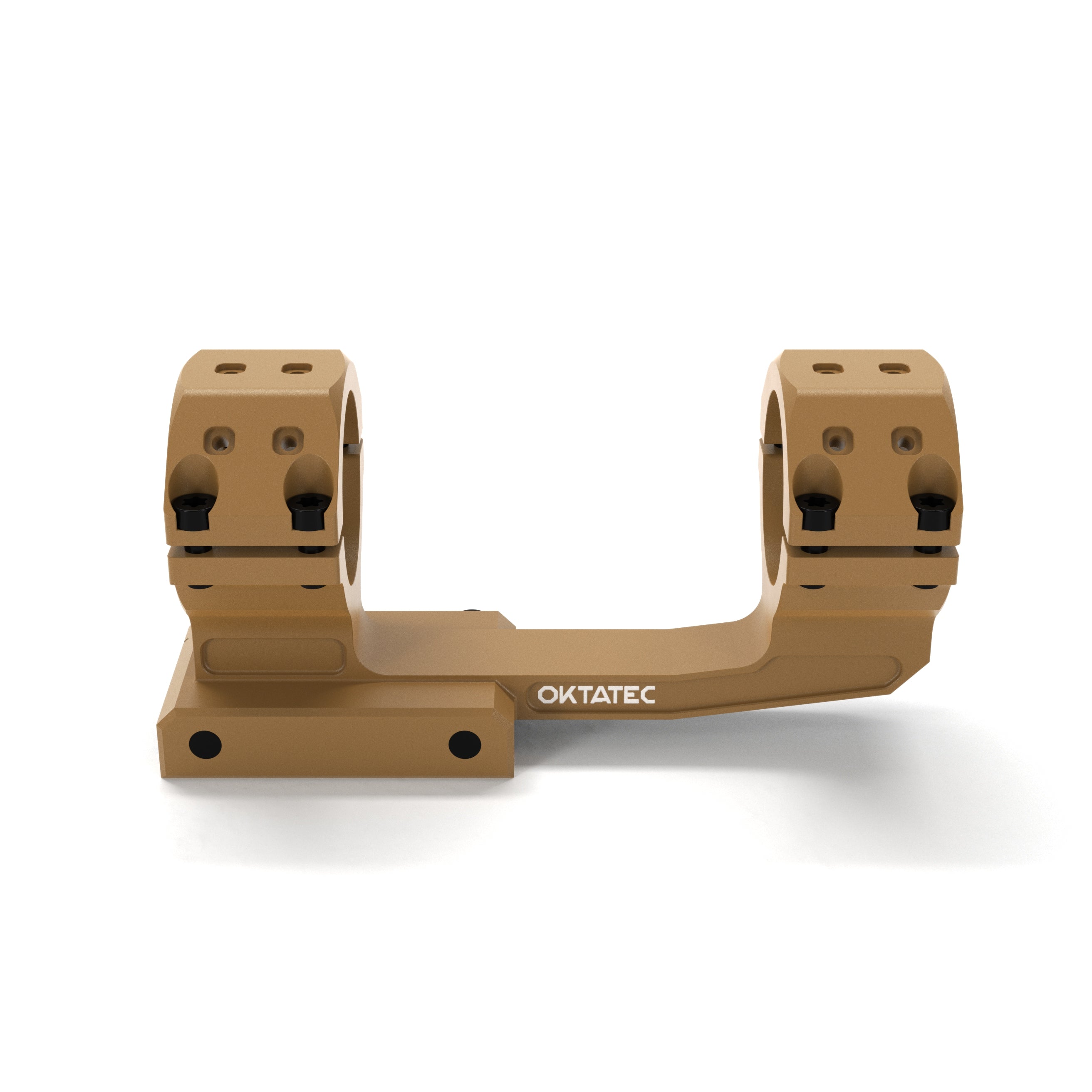
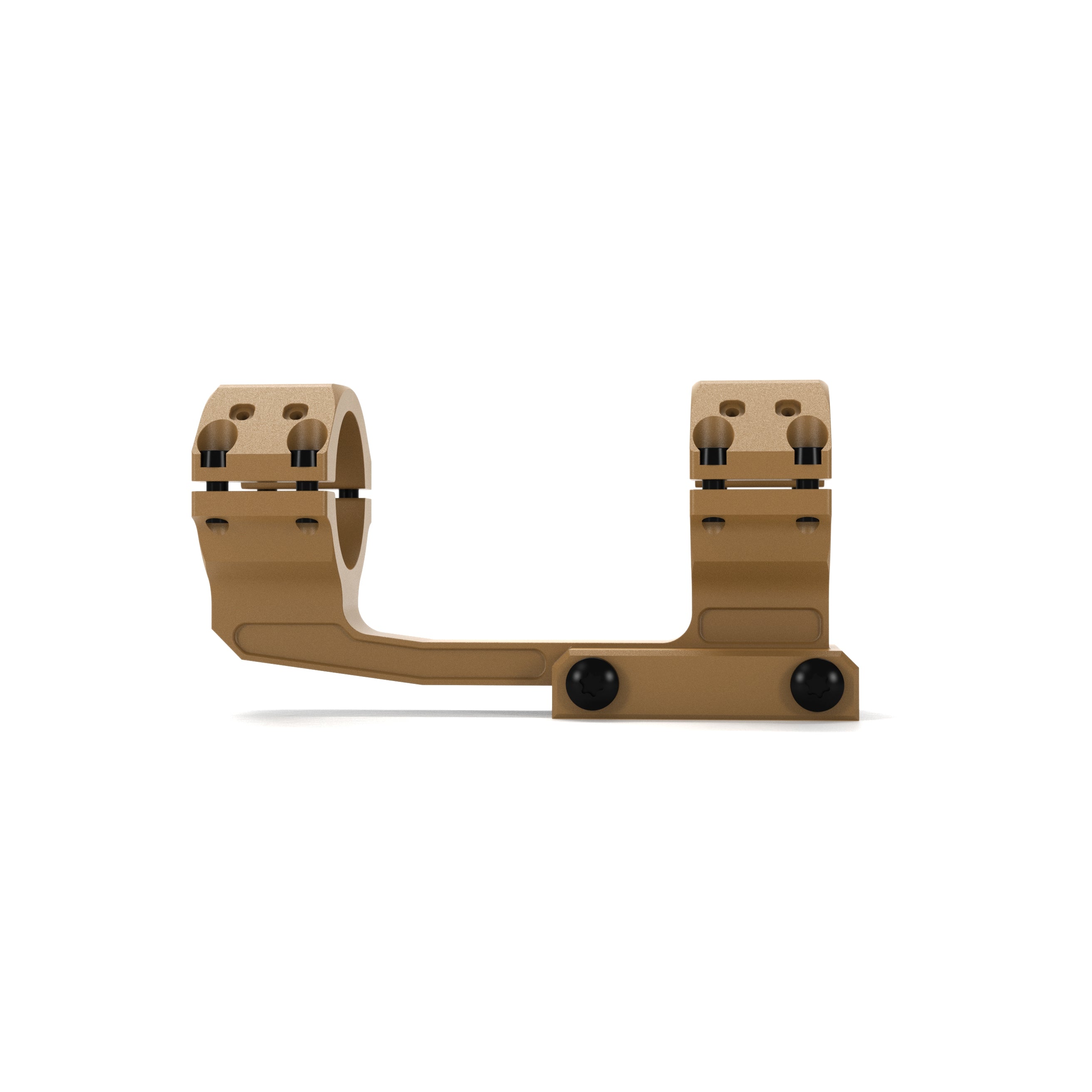
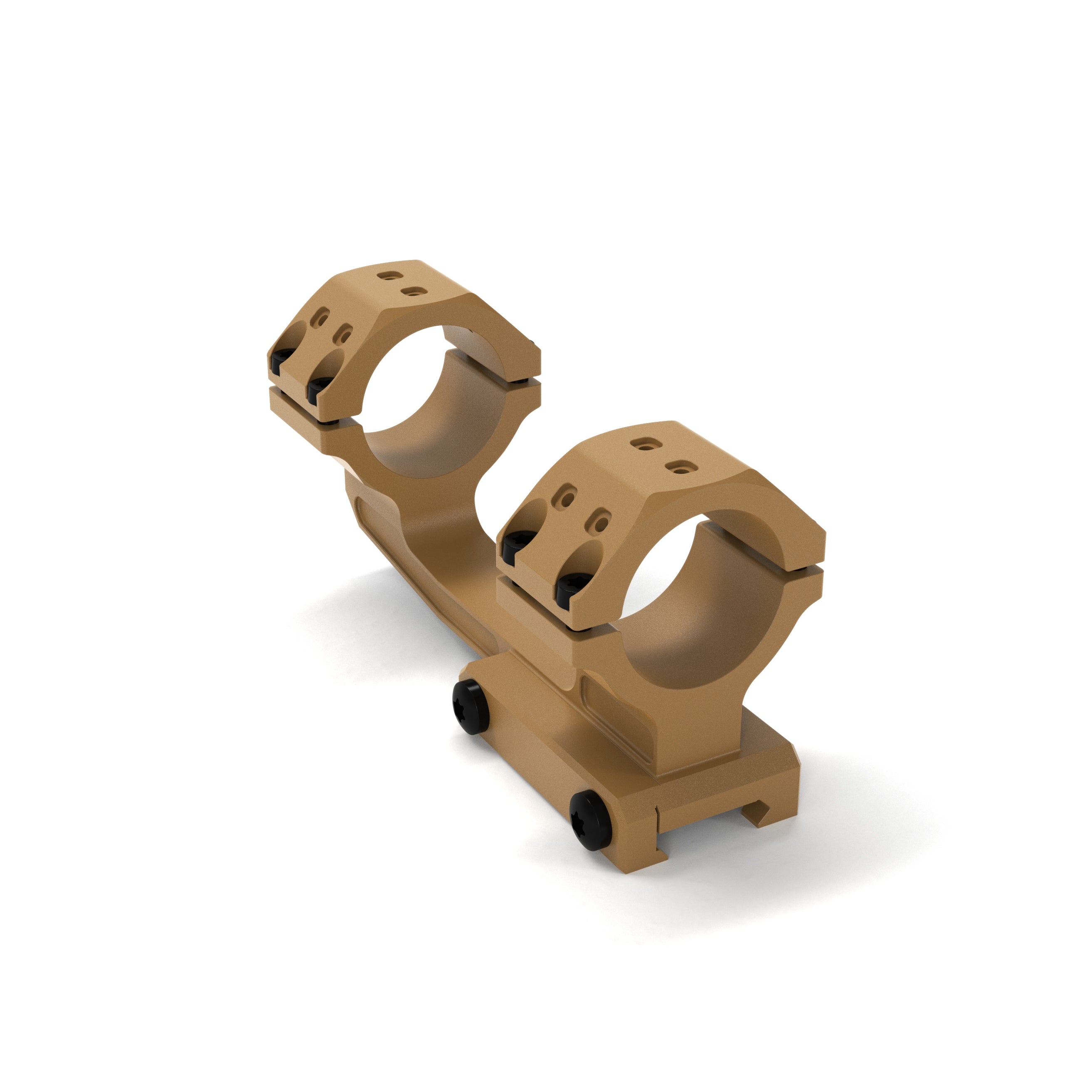
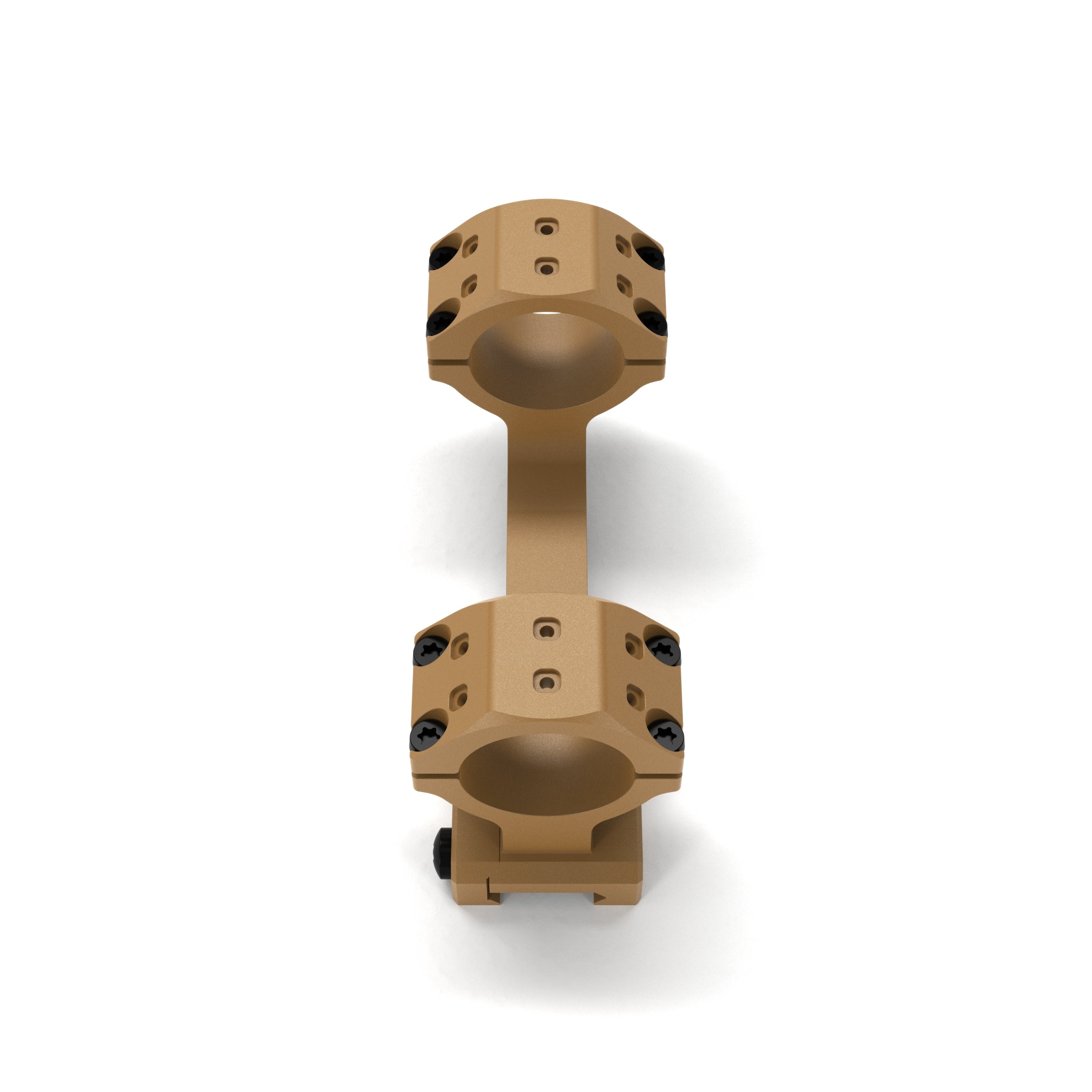
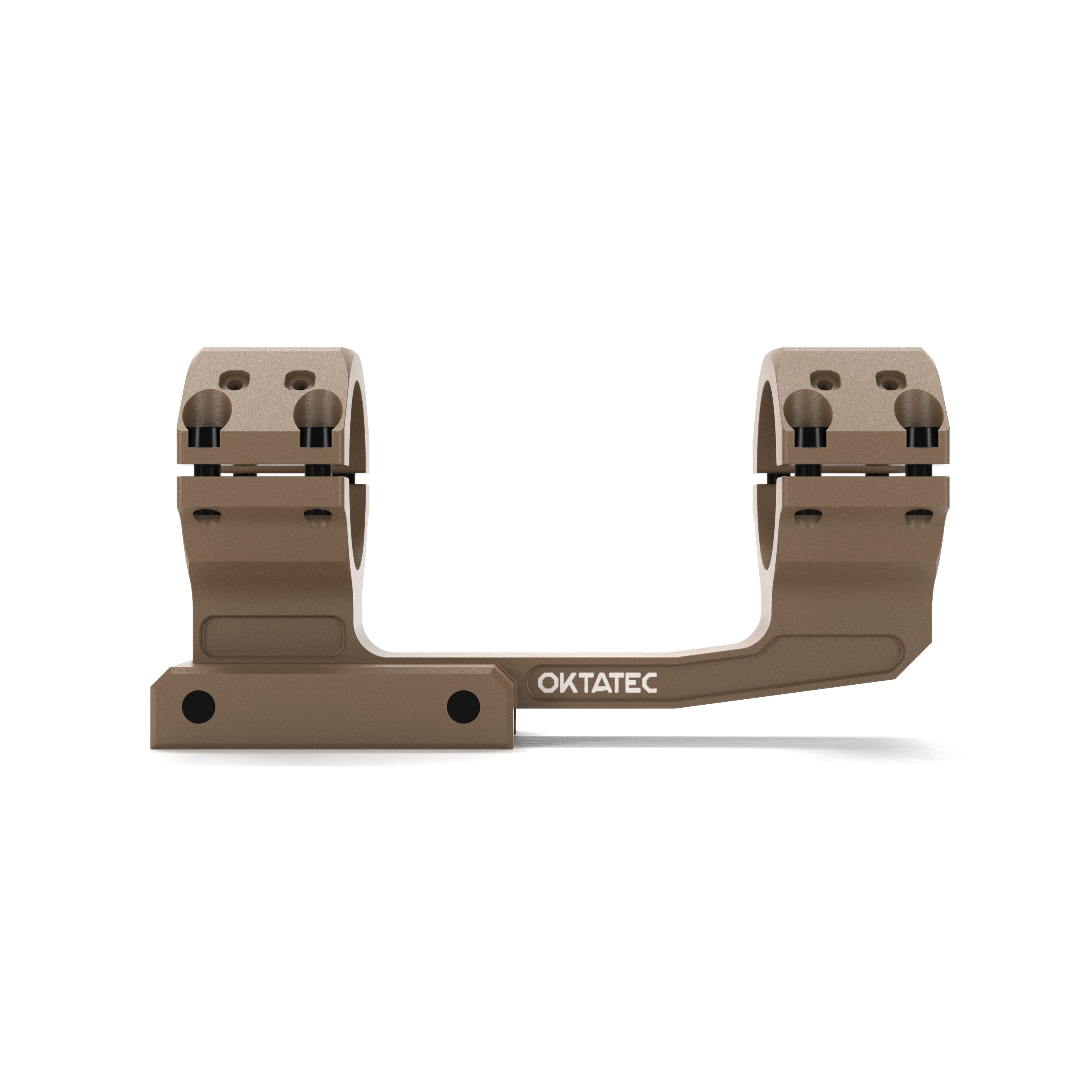
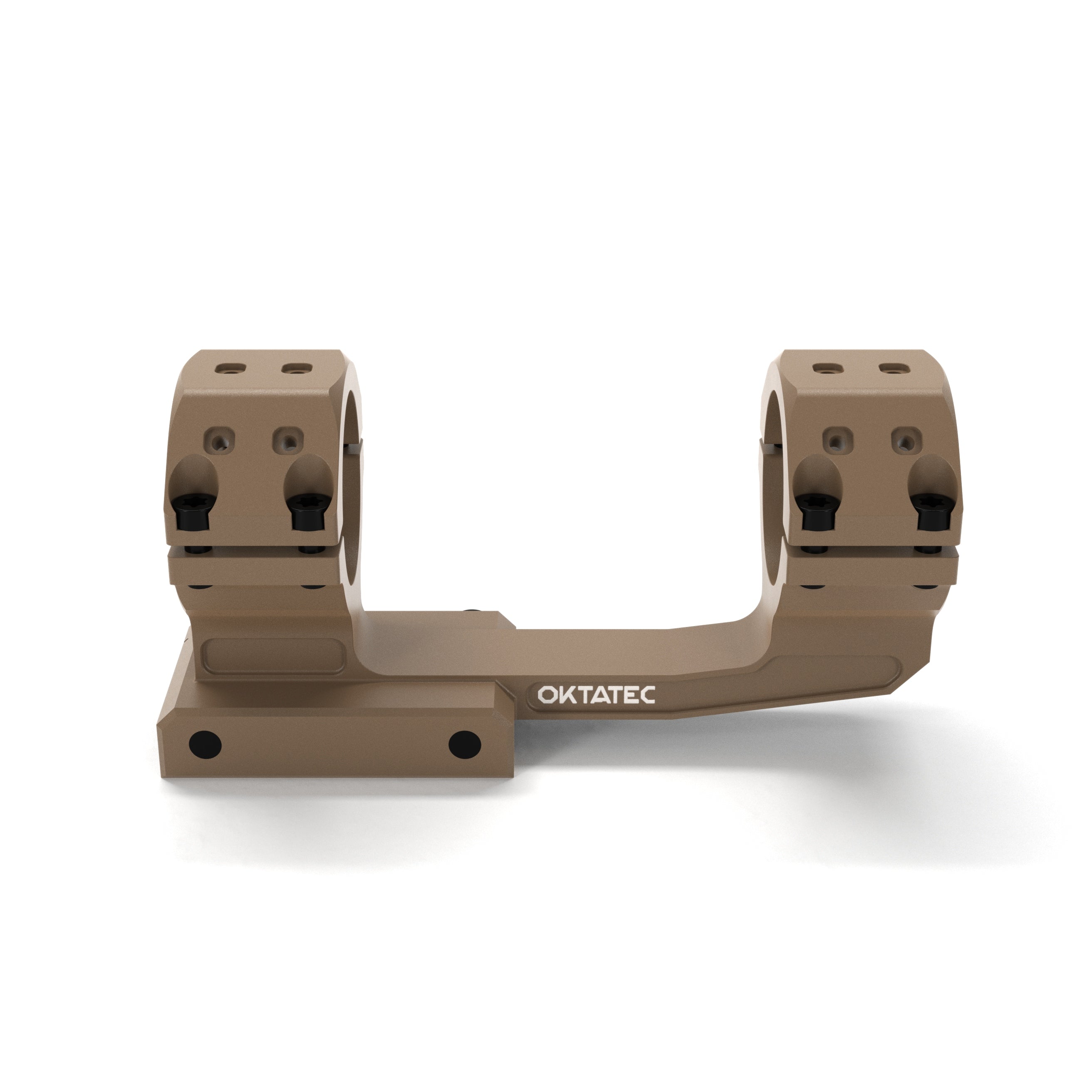
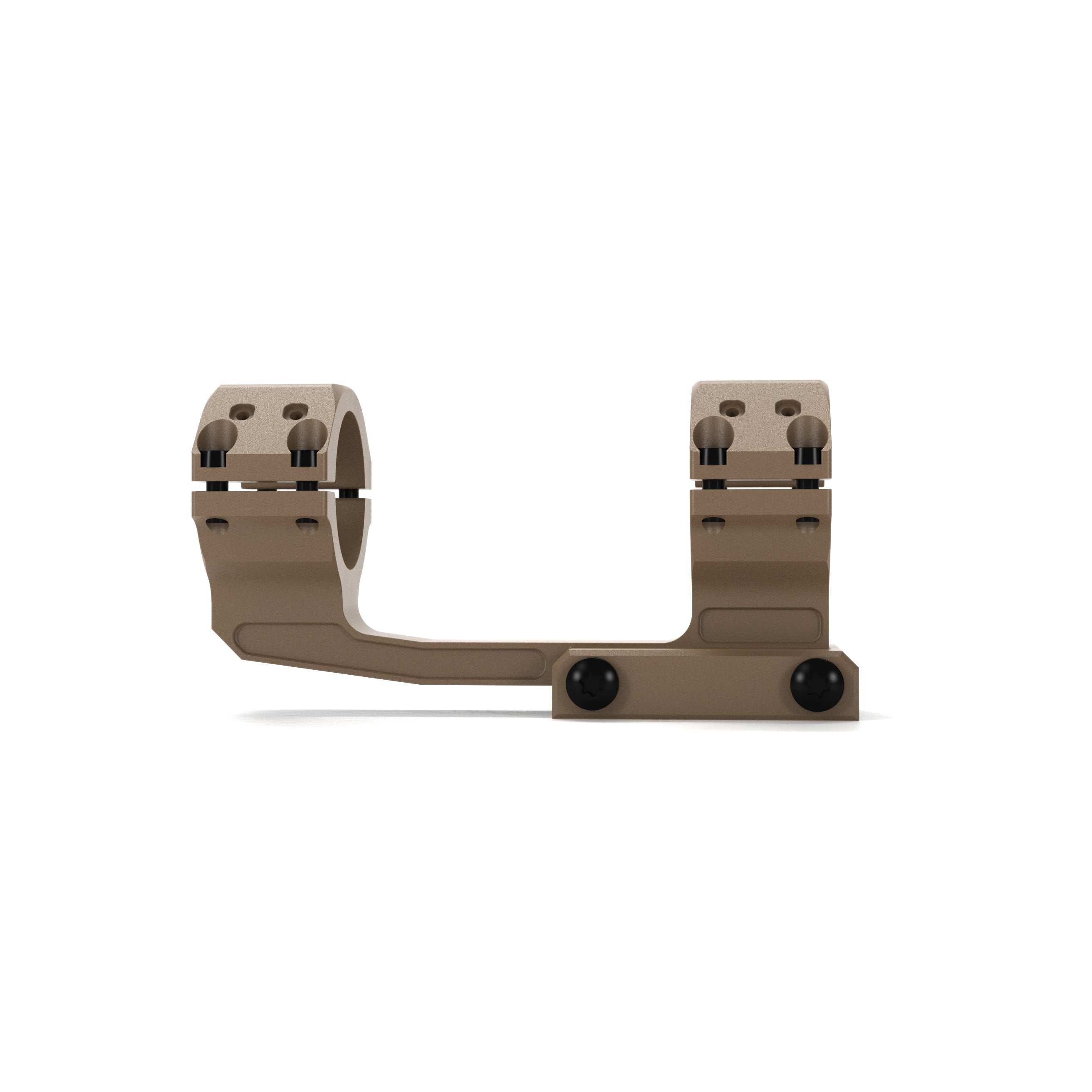
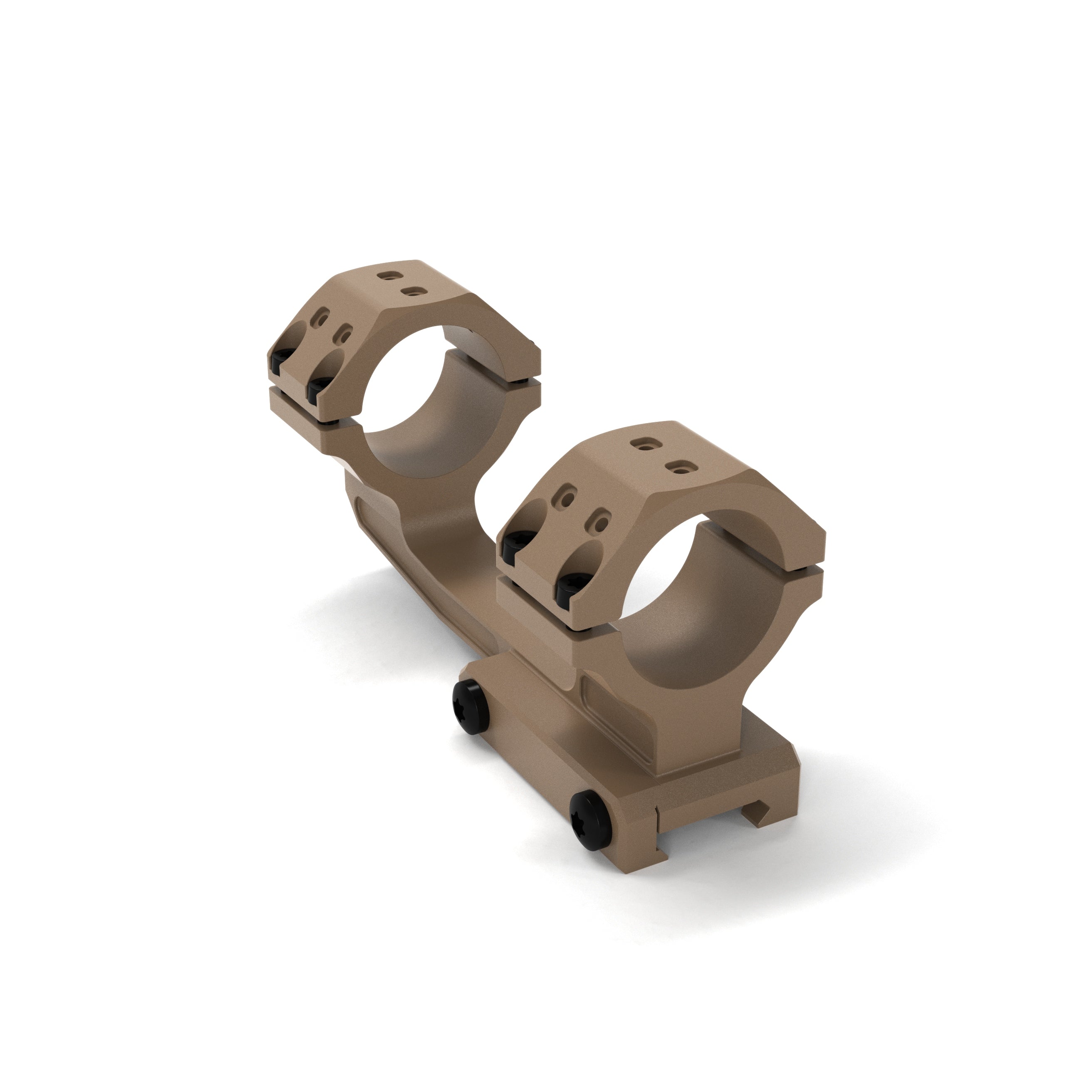
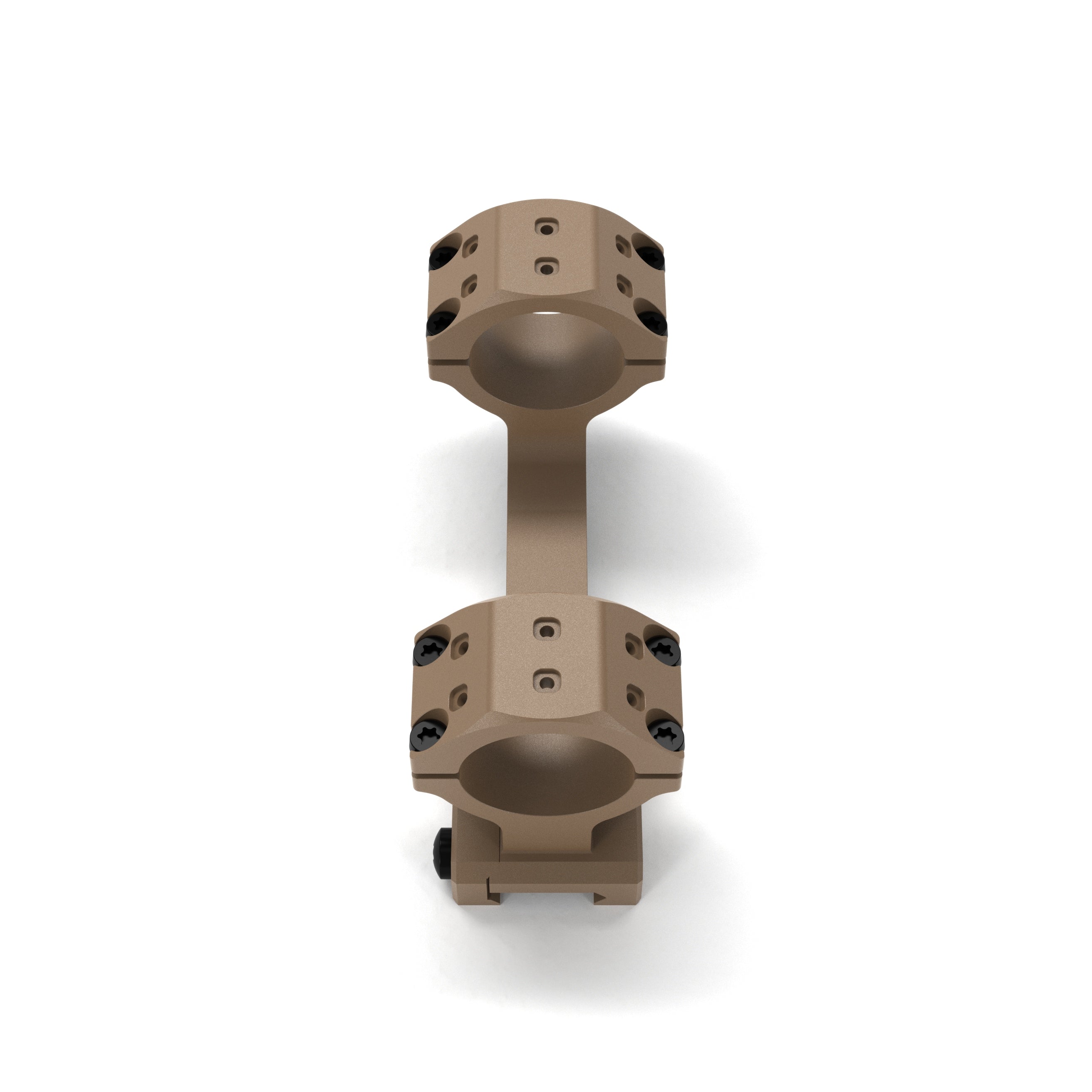
The performance of a riflescope does not depend solely on the quality of its optics. Equally important is the mechanical connection between the riflescope and the weapon.
A high-quality riflescope mount must securely hold the optical system. At the same time, it should maintain its position and alignment relative to the Picatinny rail as consistently as possible. This characteristic becomes particularly relevant when the riflescope or mount is removed and then reattached.
This may be necessary, for example, during transport, cleaning, maintenance, or when switching between different optics. In these situations, the reliability of a mount truly shows.
What does repeatability mean for a riflescope mount?
Repeatability generally describes the ability of a technical system to perform a process multiple times and achieve results that are as similar as possible.
Applied to a riflescope mount, this means: If the mount is detached from the Picatinny rail and then reattached under comparable conditions, the axis of the riflescope should change as little as possible relative to the rail.
This is not just about the pure position. The spatial orientation is also crucial. After reattachment, a mount can, for example, slightly:
-
shift sideways
-
change in height
-
displace longitudinally
-
or deviate angularly
Even small changes can affect the point of impact as the shooting distance increases. Repeatability is therefore not a purely theoretical characteristic. It is a practical component of a reliably constructed sighting system.
Repeatability is not the same as absolute accuracy
The terms accuracy and repeatability are often used interchangeably. Technically, however, they describe different properties.
Absolute accuracy indicates how close a measured or achieved value is to a defined target position. Repeatability, on the other hand, describes how close several consecutive results are to each other.
A mount can therefore be very repeatable, even if its optical axis consistently shows a certain deviation from an ideal target alignment.
For practical use, both properties are relevant. After zeroing a riflescope, however, it is particularly important that the existing alignment is restored as reproducibly as possible after disassembly.
"Return to Zero" as a practical term
In the international market, the term "Return to Zero" is often used for this property. It refers to the ability of a system to return as close as possible to the previously set point of impact after removing and reattaching the optic.
However, the actual point of impact does not depend exclusively on the riflescope mount. It is influenced by the entire system.
Relevant factors include:
-
the quality and dimensional accuracy of the Picatinny rail
-
the mechanical stability of the weapon
-
the riflescope and its adjustment mechanism
-
the ammunition used
-
external conditions
-
the mounting position
-
the tightening procedure
-
the condition of the contact surfaces
-
the respective shooting situation
A repeatable riflescope mount can therefore reduce an important mechanical source of error. However, it cannot guarantee a completely unchanged point of impact independently of all other influencing factors.
What is important for a repeatable mount?
High repeatability is not achieved by a single component. It is the result of a coordinated overall system of design, material selection, manufacturing quality, and assembly process.
Defined contact surfaces to the Picatinny rail
With every mount, contact surfaces are created between the riflescope mount and the Picatinny rail. Clamping forces, recoil forces, and other mechanical loads are transmitted through these surfaces.
For reproducible positioning, the contact surfaces must be unambiguous and stable. Once installed, the mount should always rest at the intended points. The geometry must reliably guide it into a clearly defined position.
Different contact states can lead to the mount aligning slightly differently with each reattachment. This impairs repeatability.
Therefore, not only low manufacturing tolerance is crucial. A constructively clearly defined contact and force guidance also plays a central role. Only when both factors are correct can the riflescope mount be positioned reliably and reproducibly.
Dimensionally stable and wear-resistant clamping elements
During repeated tightening and loosening, high local surface pressures act on the clamping elements. If the contact surfaces are not sufficiently dimensionally stable, small plastic deformations, indentations, or signs of wear can form.
Such changes may affect the geometry of the connection and thus also the clamping conditions. For high repeatability, the functionally relevant contact surfaces should therefore be designed such that their geometry remains as constant as possible even after repeated assembly cycles.
A stable and controlled preload force
The clamping of a riflescope mount only works reliably if sufficient preload force is built up and maintained as constant as possible during use.
The tightening torque is not the actual goal. It serves to generate the necessary preload force in the screw connection.
How much preload force is actually generated depends, among other things, on the following factors:
-
the screw geometry
-
the friction conditions in the thread
-
the friction under the screw head
-
the condition of the contact surfaces
-
possible contamination
-
lubricants used
If individual surfaces settle slightly after tightening, the preload force can decrease. A constructively well-designed screw connection should therefore not only generate sufficient clamping force. It should also be as insensitive as possible to small settling amounts.
Sufficient stiffness of the overall system
A riflescope mount must not deform uncontrollably under load. At the same time, the forces that occur must be guided as evenly and predictably as possible through the mount body.
This does not only depend on a particularly massive design. A sensible flow of force is crucial. Material, cross-sections, transitions, screw positions, and clamping elements must be constructively coordinated.
High stiffness helps to limit relative movements between the riflescope, mount, and Picatinny rail.
Precise ring clamping and alignment
In addition to the connection to the Picatinny rail, the scope's attachment is also important. The rings must hold the riflescope securely without unduly stressing the main tube.
At the same time, the ring mounts should be manufactured as co-axially as possible. Uneven or stressed clamping can not only strain the riflescope. It can also affect the alignment of the optical system.
If only the repeatability of the rail clamping is to be examined, the ring connection should remain unchanged during the individual measurement cycles.
A reproducible mounting procedure is crucial
Even a precisely manufactured mount can only work repeatably if it is attached under comparable conditions each time.
Particularly important are:
-
the same position or the same cross slot on the Picatinny rail
-
clean and undamaged contact surfaces
-
the tightening direction specified in the mounting instructions
-
uniform operation of the clamping elements
-
adherence to the specified tightening torques
Unapproved lubricants, greatly deviating tightening torques, or contamination can change the friction conditions. This can result in a different preload force at the same torque.
Repeatability is therefore always the result of suitable design and reproducible application.
How Oktatec® implements the design requirements
With the corresponding riflescope mounts from Oktatec®, the connection to the Picatinny rail is considered a technically coherent clamping system.
The aim is to create defined contact conditions and to keep changes within the clamping connection as small as possible.
In all corresponding models, with the exception of the Lightweight variant, this goal is supported by the interplay of two hardened steel jaws and a specially designed stretch bolt concept.
Due to its design, the Lightweight variant has an independent clamping concept. This model does not use either the described hardened steel clamping jaws or the stretch bolt concept.
The following explanations therefore explicitly refer to the corresponding Oktatec models outside the Lightweight series.
Clamping between two hardened steel jaws
In the corresponding Oktatec models, the Picatinny rail is clamped between two hardened steel jaws. This means that dimensionally stable and wear-resistant elements are located at the functionally relevant clamping point.
The hardened steel jaws help to reduce local deformations and changes in the clamping elements. This is particularly important with repeated loosening and tightening.
If the geometry of the contact surfaces remains as constant as possible, the contact conditions can also be maintained more reproducibly.
Compared to clamping carried out exclusively via softer material edges, hardened steel jaws offer high resistance to wear and local indentations. This reduces the risk of the contact condition within the assembly gradually changing after several assembly cycles.
At the same time, the two clamping jaws enable a clearly defined force transmission to the Picatinny rail. The mount is tensioned via constructively defined clamping elements. This supports reproducible contact conditions.
The stretch bolt concept
In the same models, the steel jaw clamping is supplemented by a specially designed stretch bolt concept. This design feature is also not used in the Lightweight variant.
A stretch bolt is designed to have a defined elastic travel within its intended operating range. When tightened, the bolt is elastically stretched, thereby generating the necessary preload force for the clamped connection.
The technical advantage is particularly evident with small settling processes. If contact surfaces settle slightly after tightening, the elastic elongation of the bolt can absorb part of this change.
The preload force therefore decreases less sharply than can be the case with a very stiff screw connection with low elastic travel.
The stretch bolt concept does not completely prevent settling processes. However, it helps to reduce their influence on the clamping force and to keep the preload more stable within the intended operating range.
The interaction of the constructive elements
Not only the hardness of the clamping jaws or the design of the screws is crucial. The interaction of the individual components is decisive.
-
The hardened steel jaws create dimensionally stable contact surfaces
-
The stretch bolt concept generates an elastically supported preload force
-
The precisely manufactured mounting geometry defines the position on the Picatinny rail
-
The specified tightening torques ensure the intended operating range
This combination creates an important prerequisite for a reproducible assembly: the mechanical boundary conditions should change as little as possible after loosening and re-tightening.
Repeatability is thus not regarded as an isolated marketing feature. It is the result of a purposefully coordinated connection technology.
Testing repeatability on a coordinate measuring machine
Technical properties should not only be pursued constructively but also be assessable metrologically. Oktatec® therefore tests the repeatability of its riflescope mounts using a coordinate measuring machine.
This measuring method allows the spatial position of the mount relative to a defined reference rail to be recorded under controlled conditions. After reassembly, the measured values can be compared with each other.

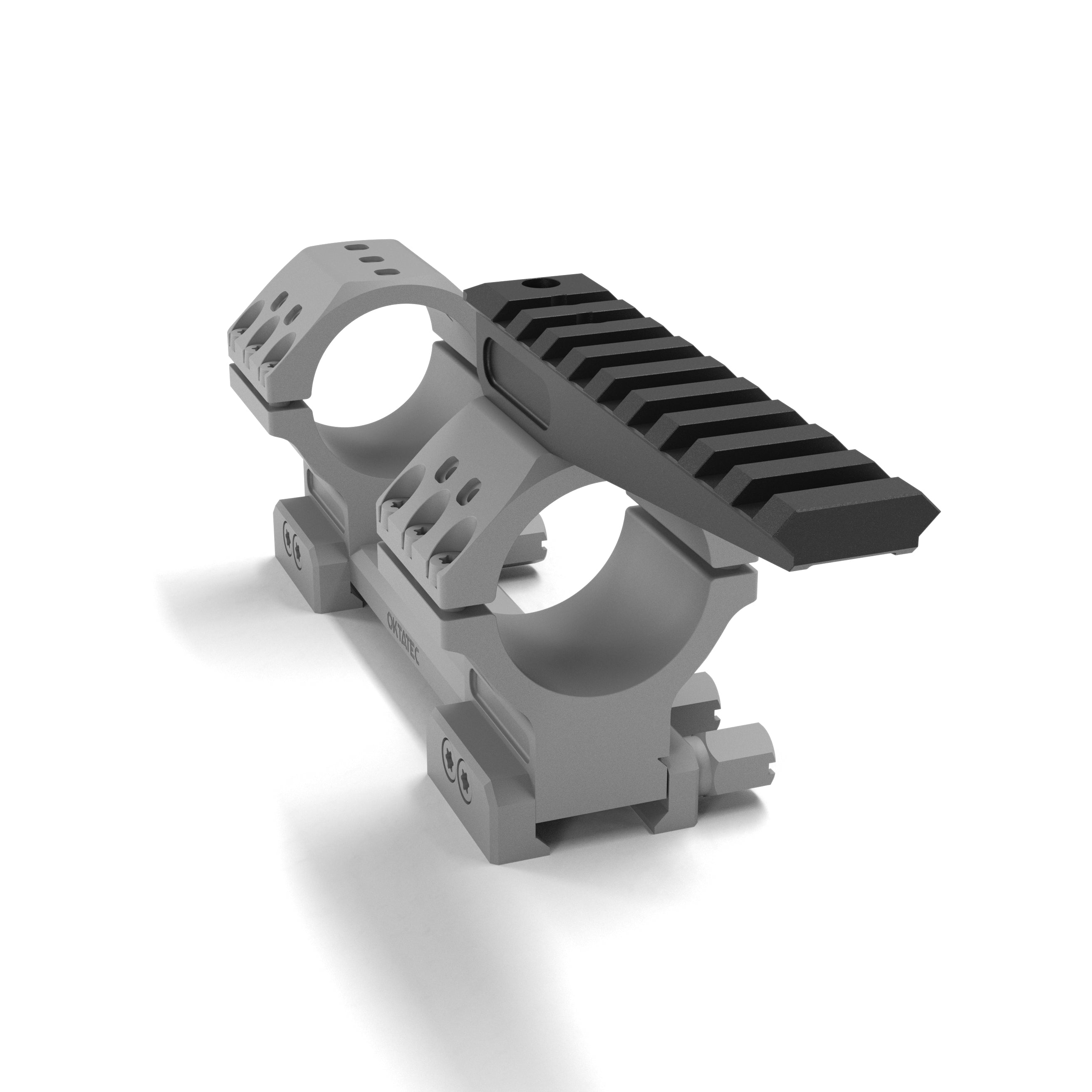
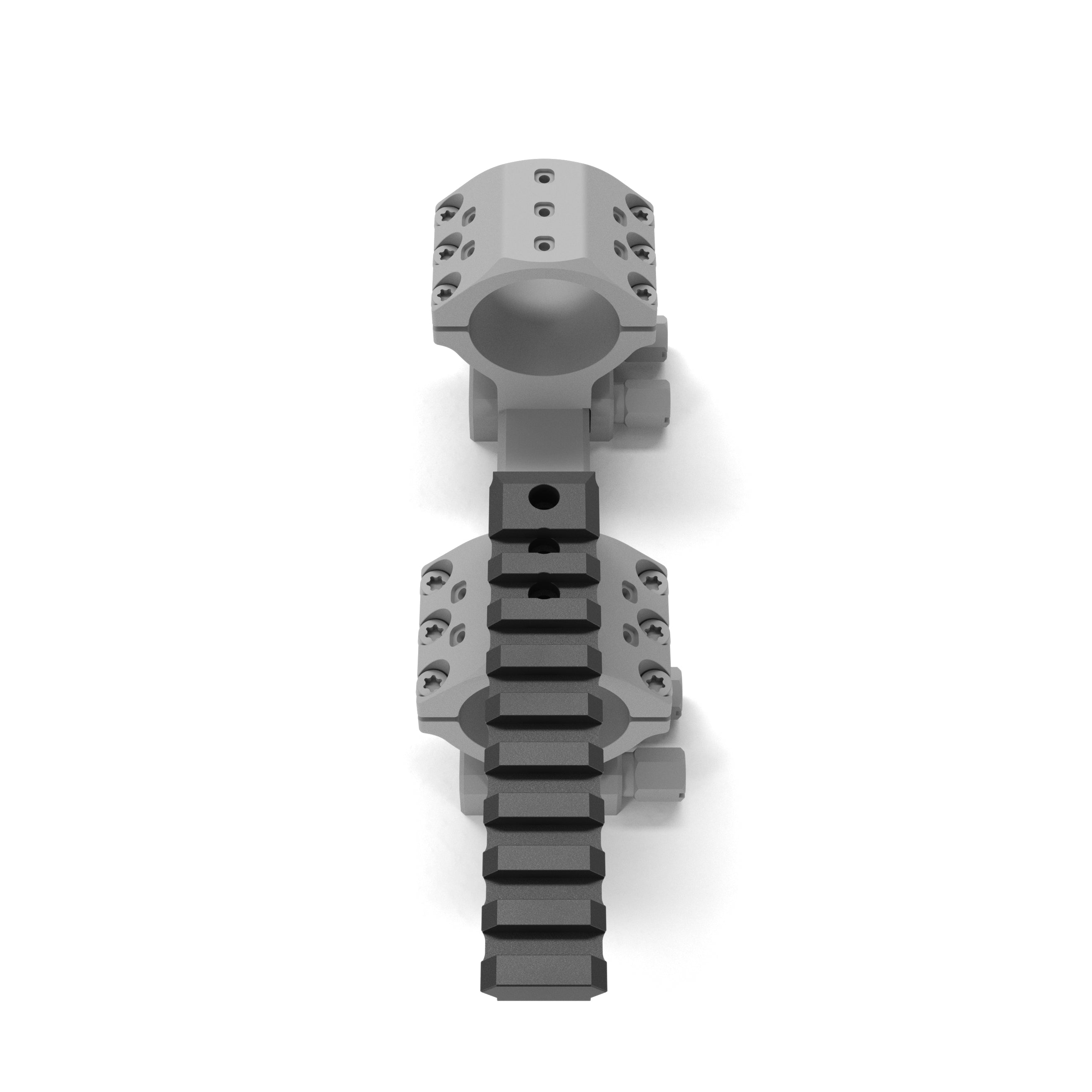
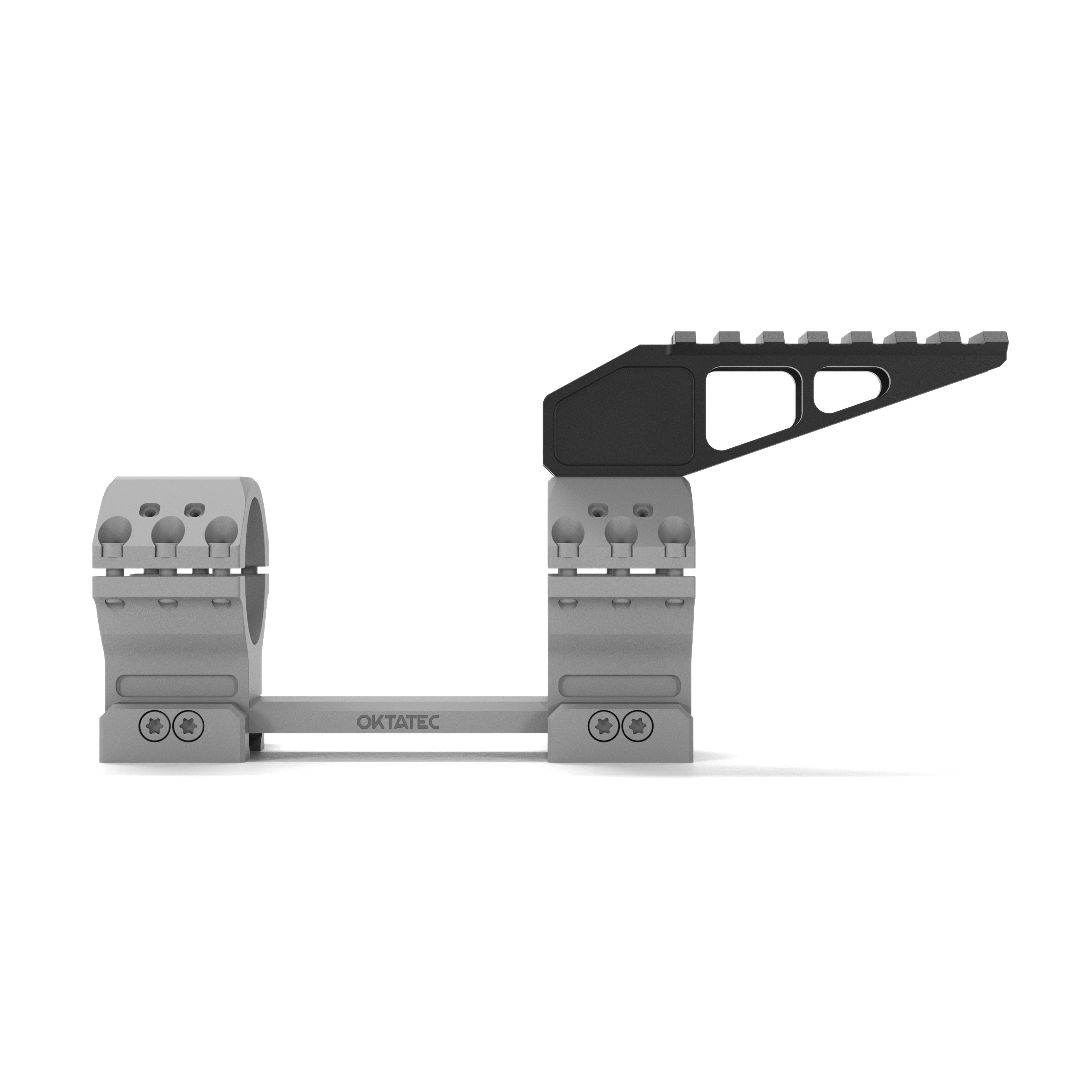
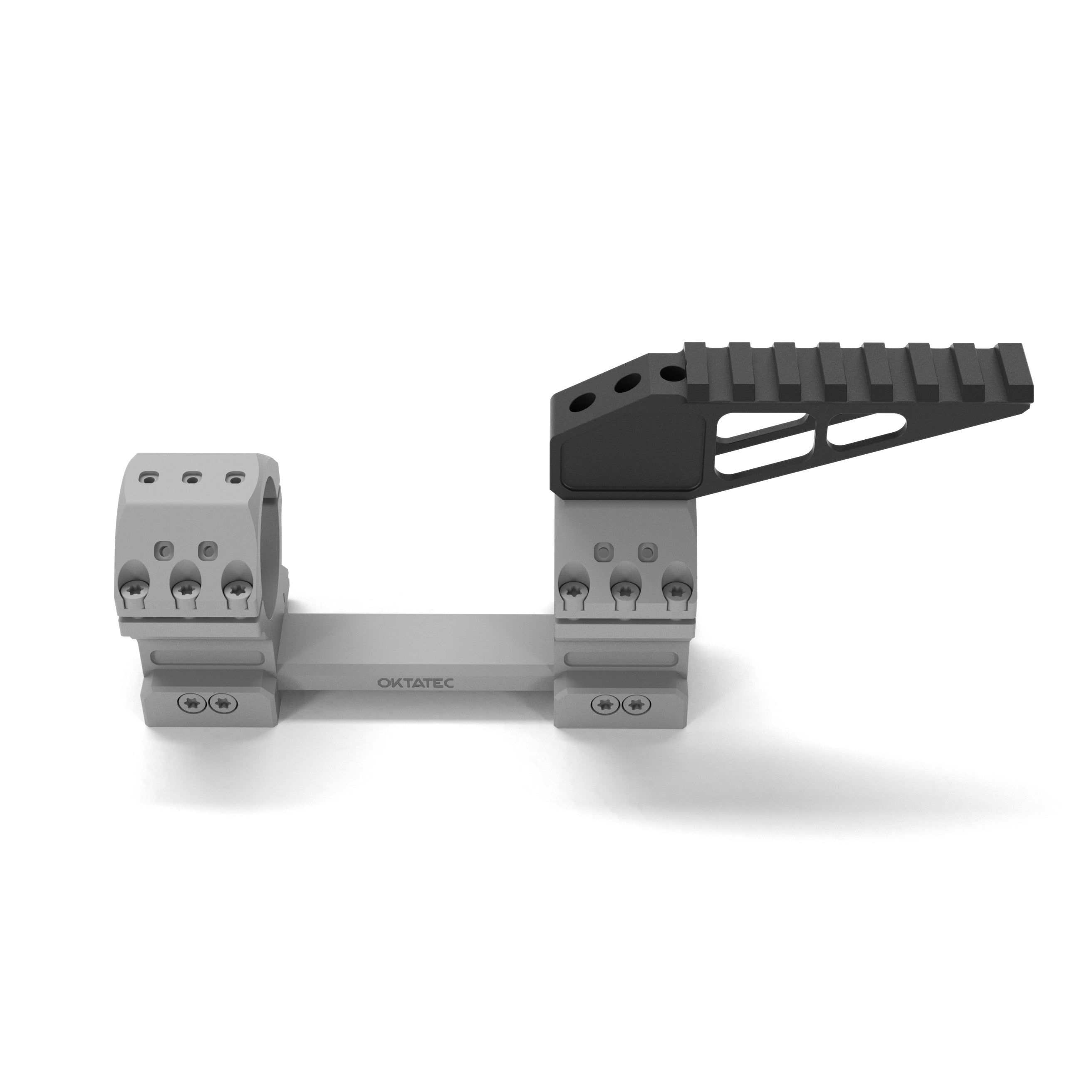
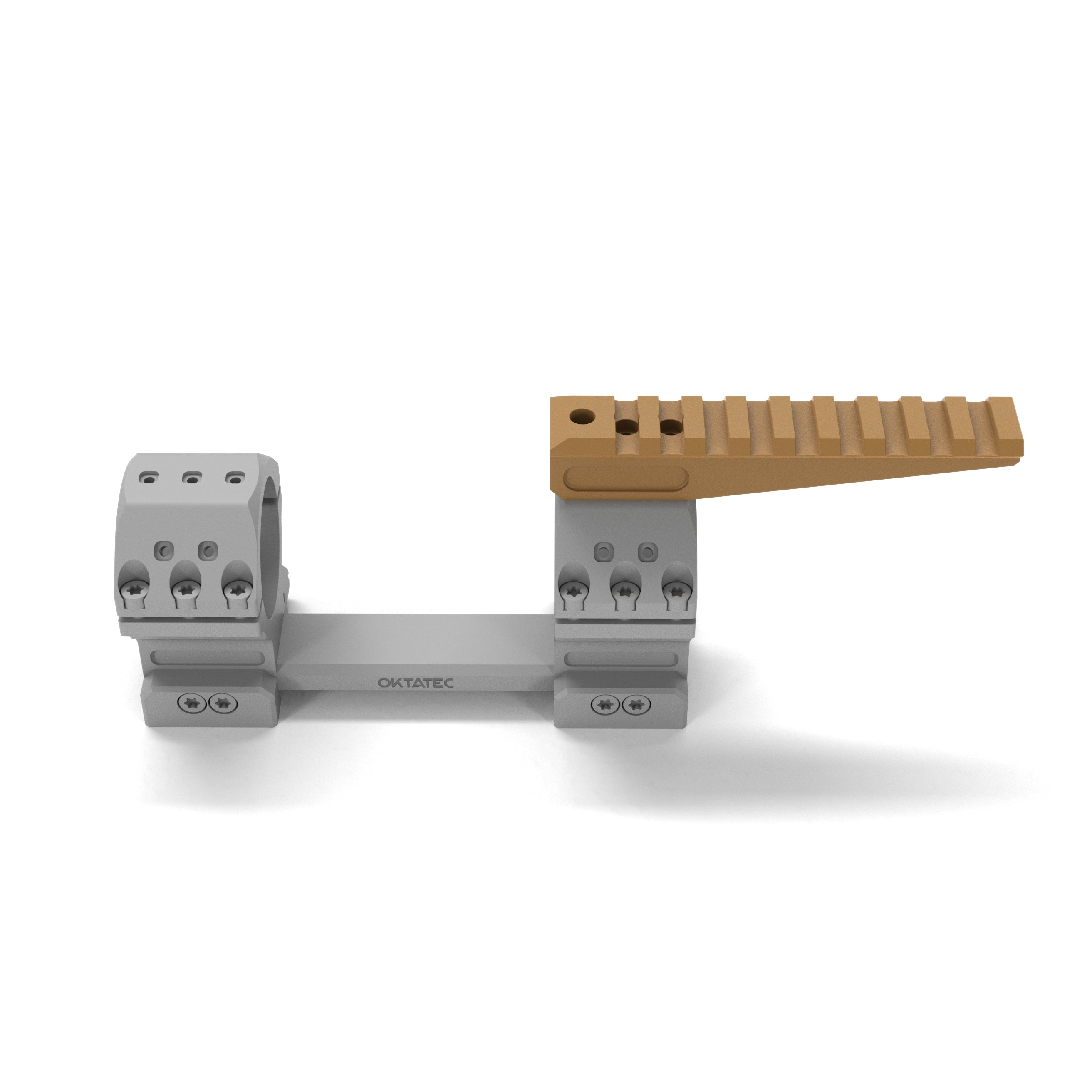
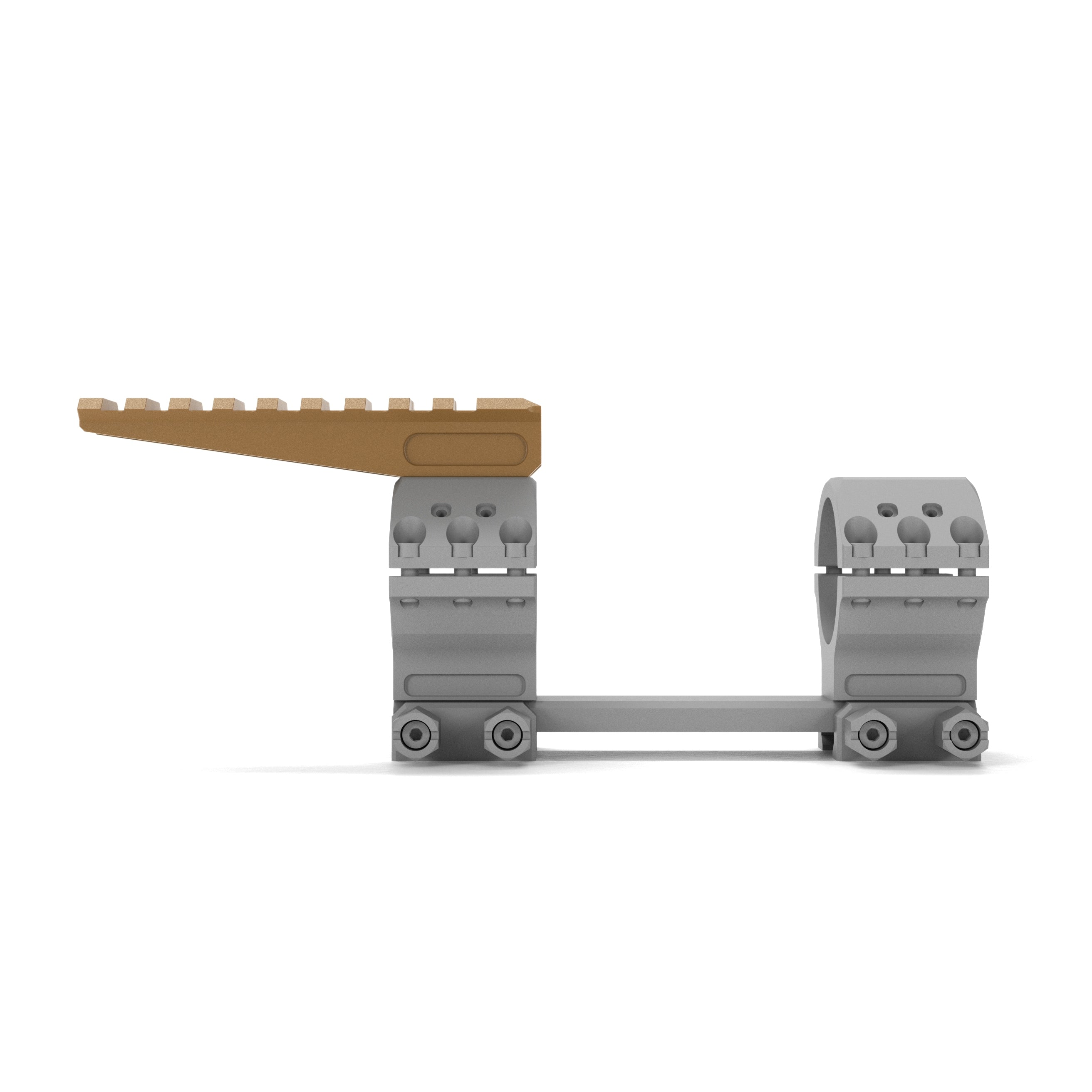
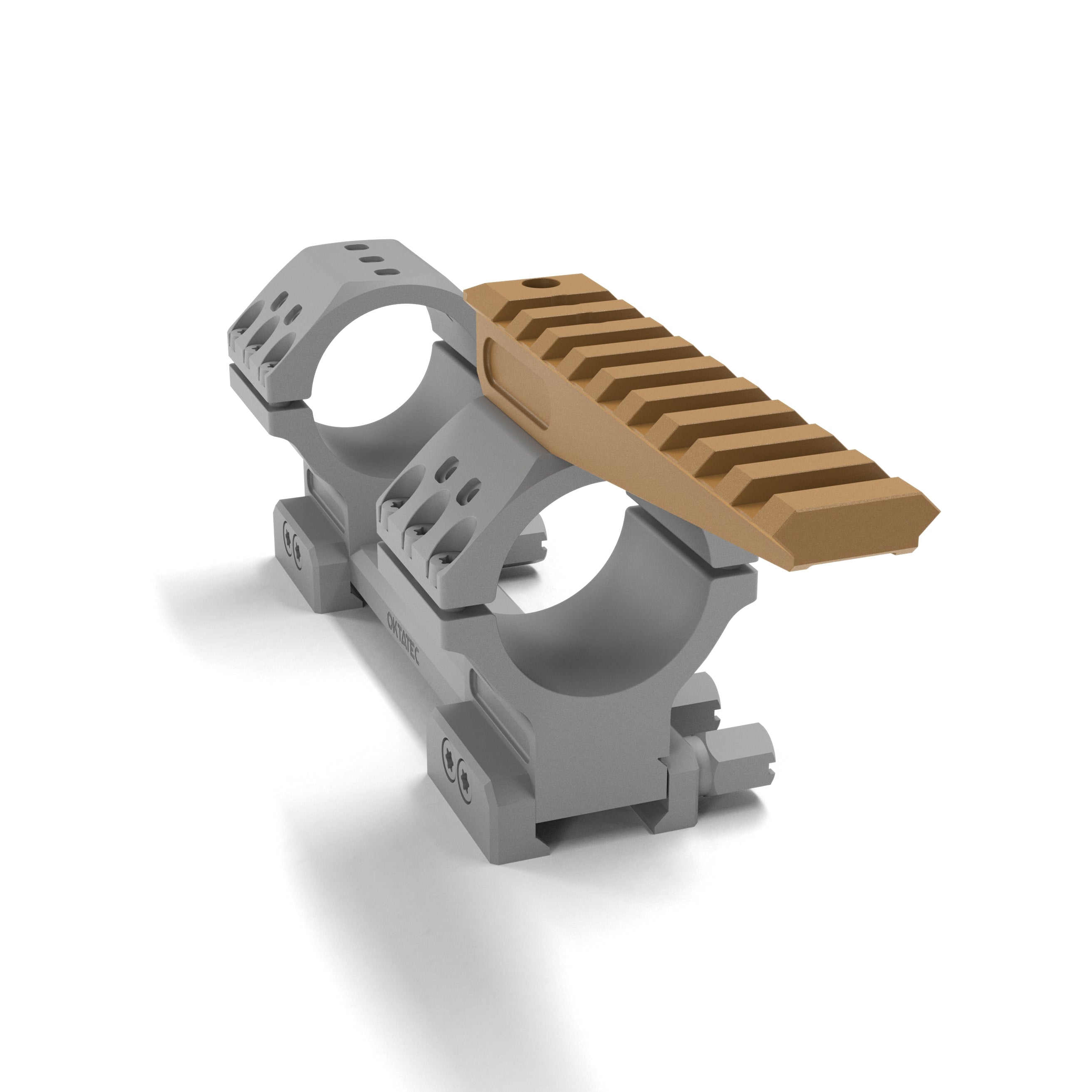
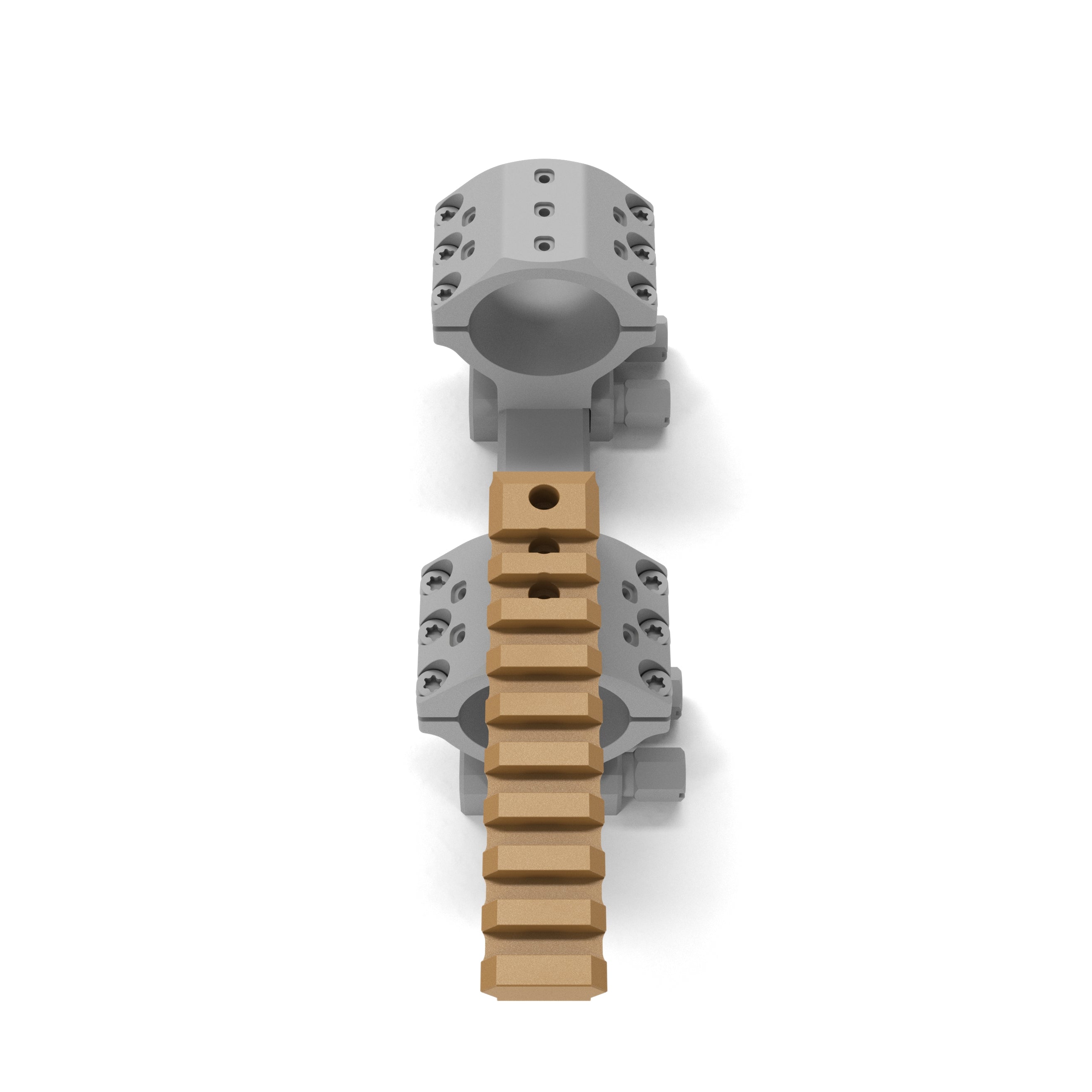
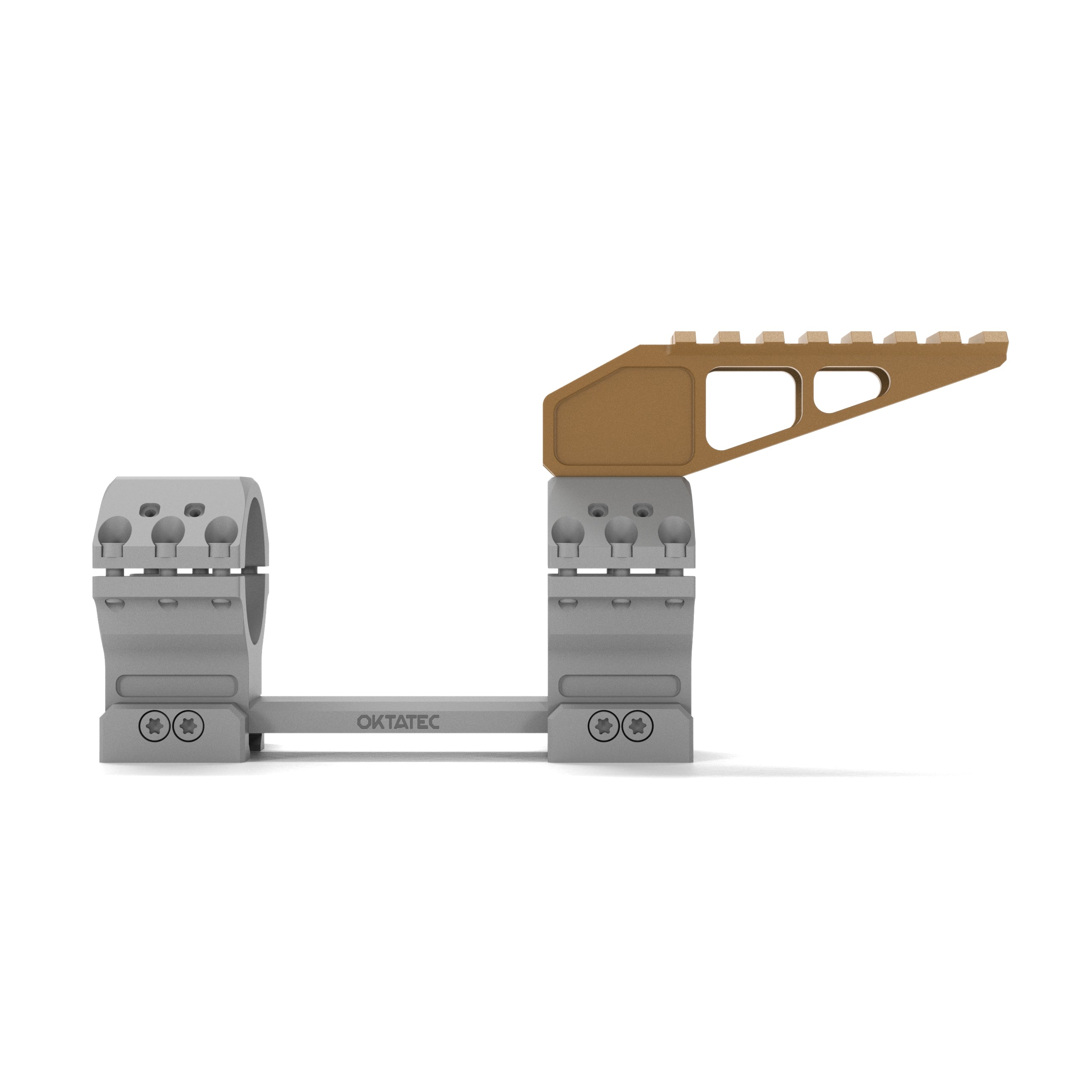
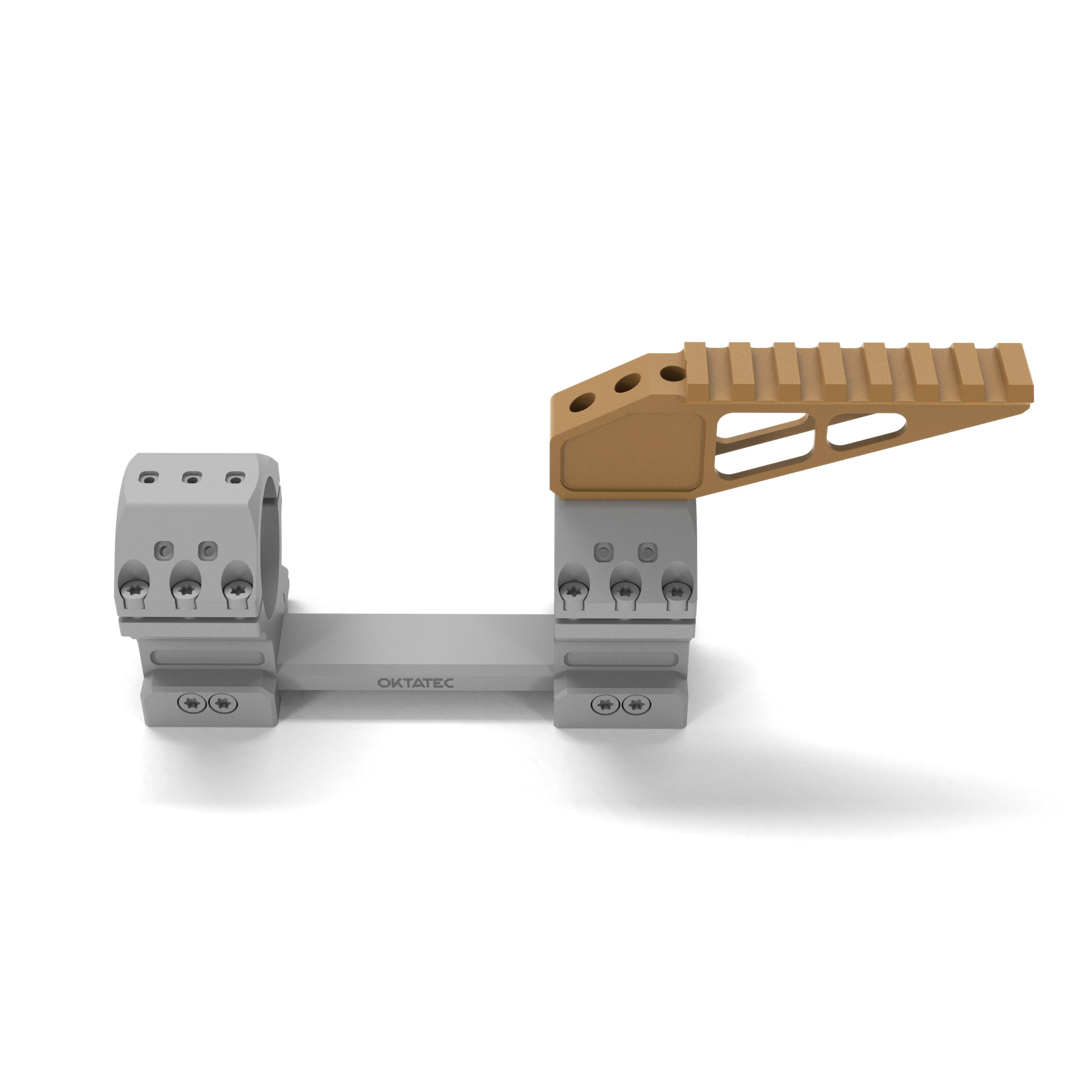
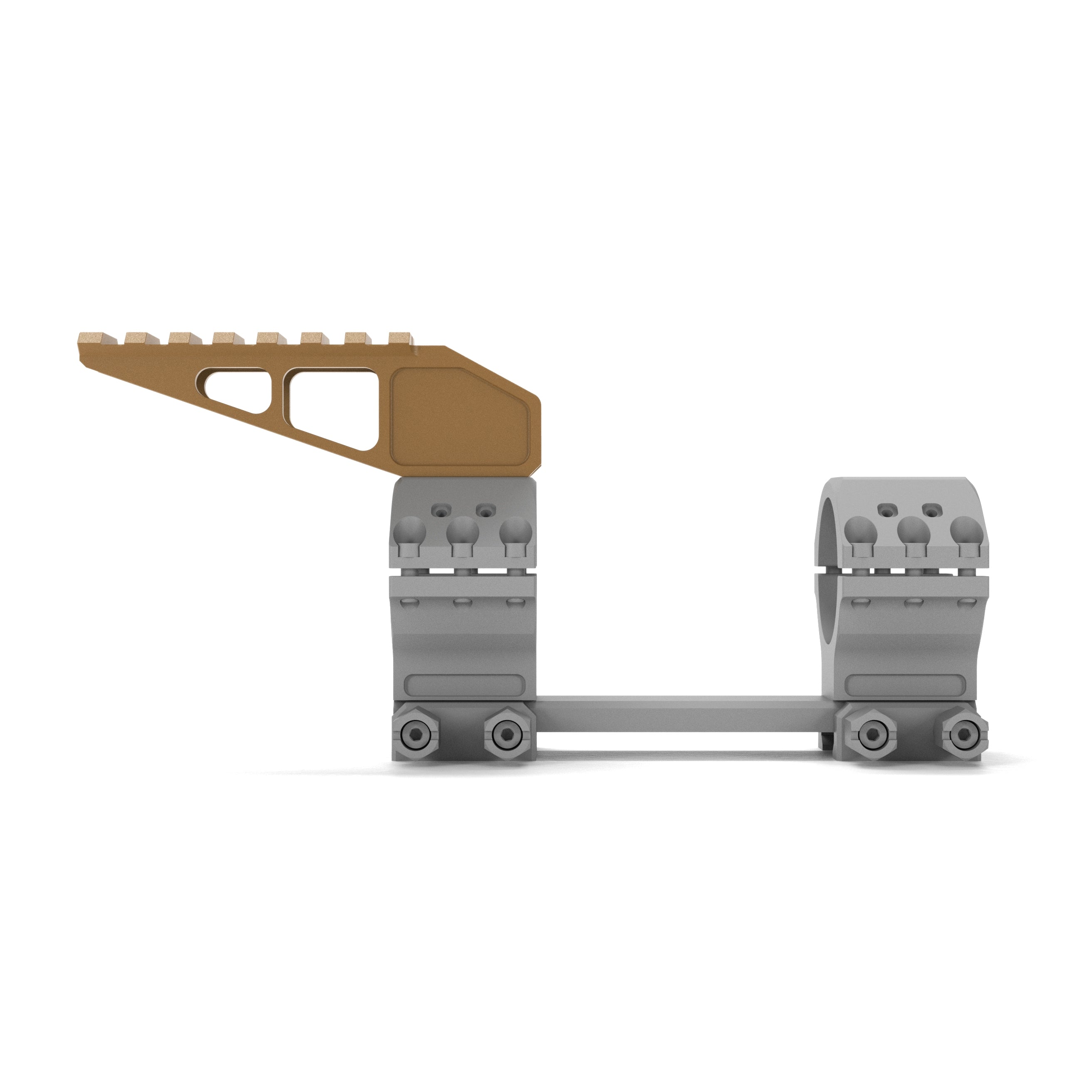
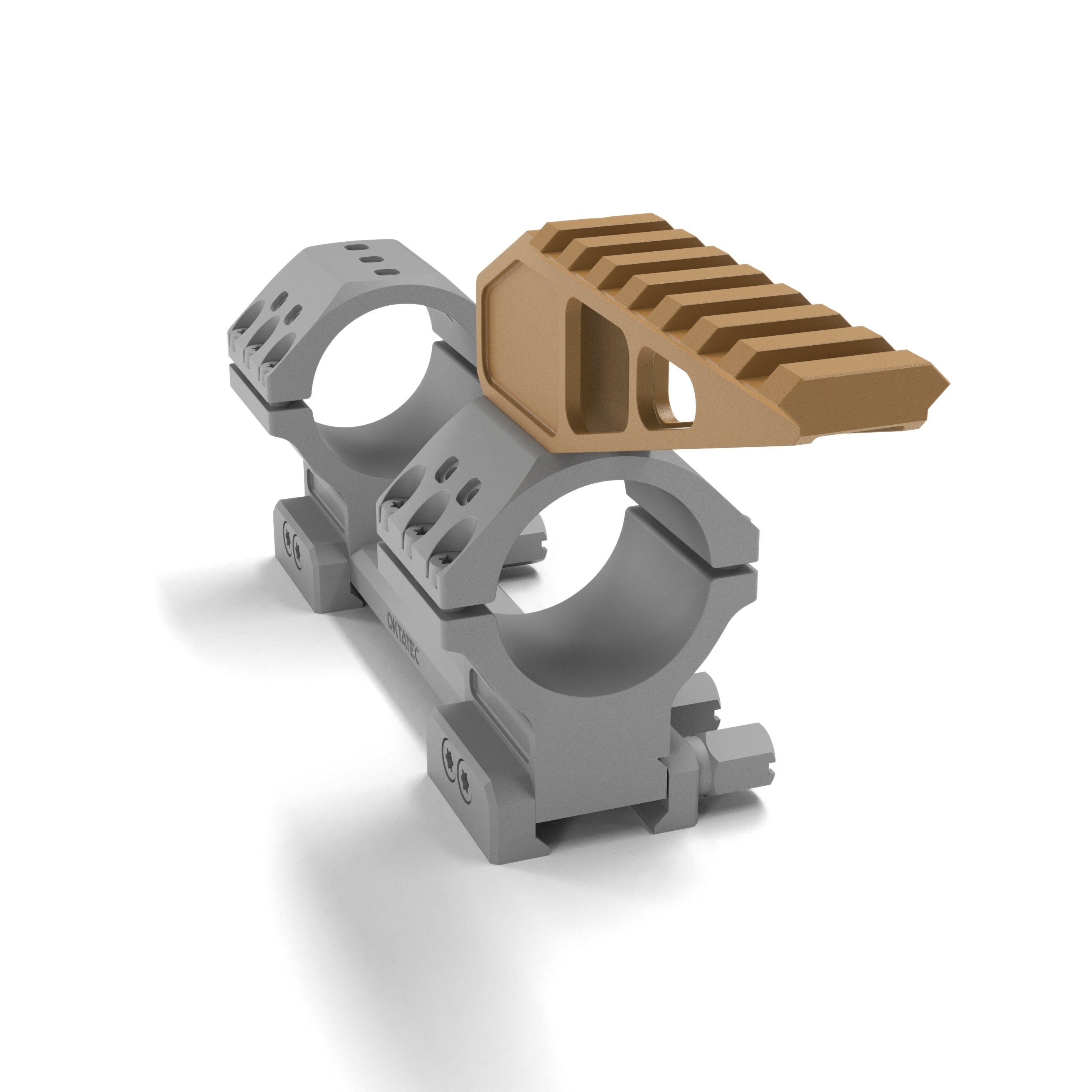
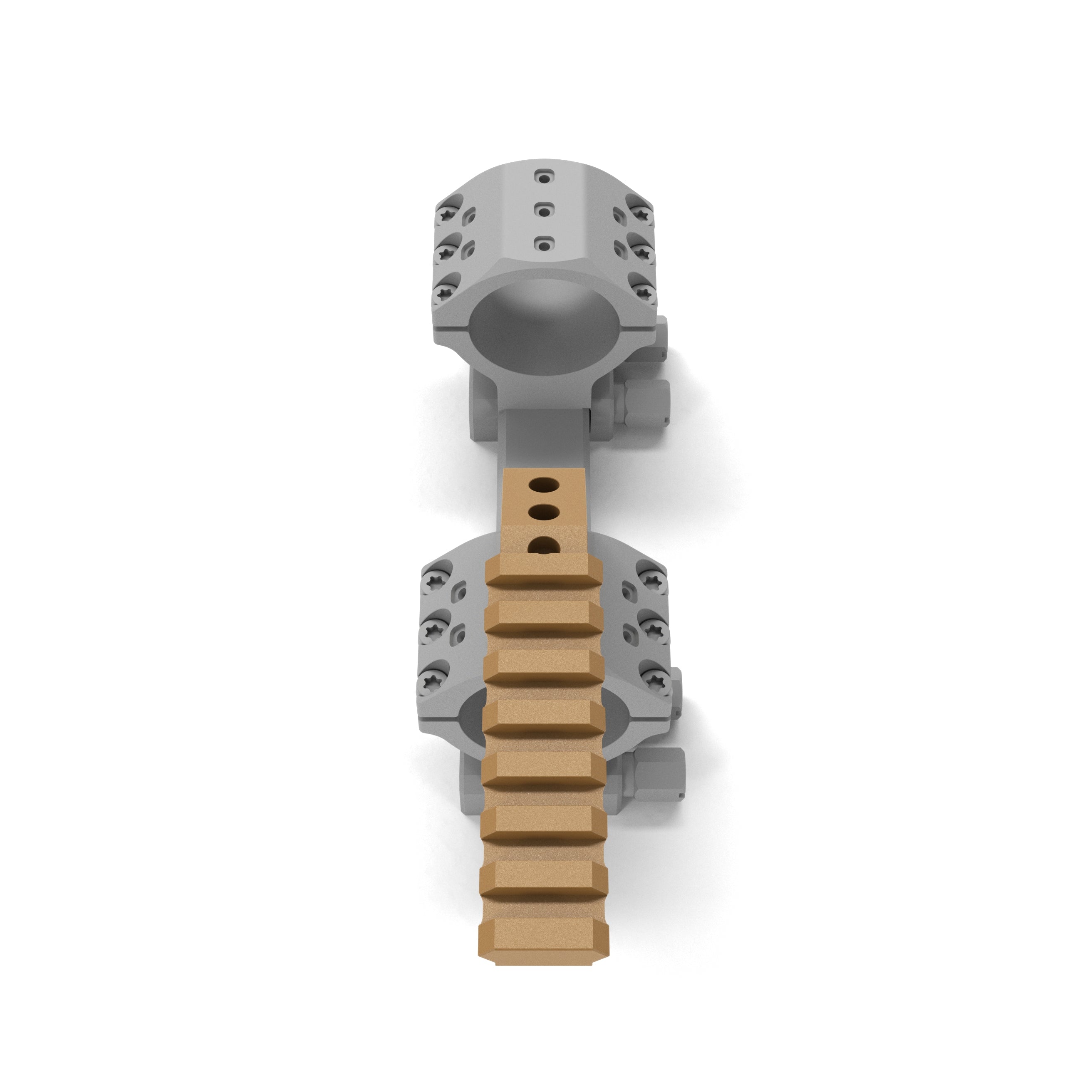
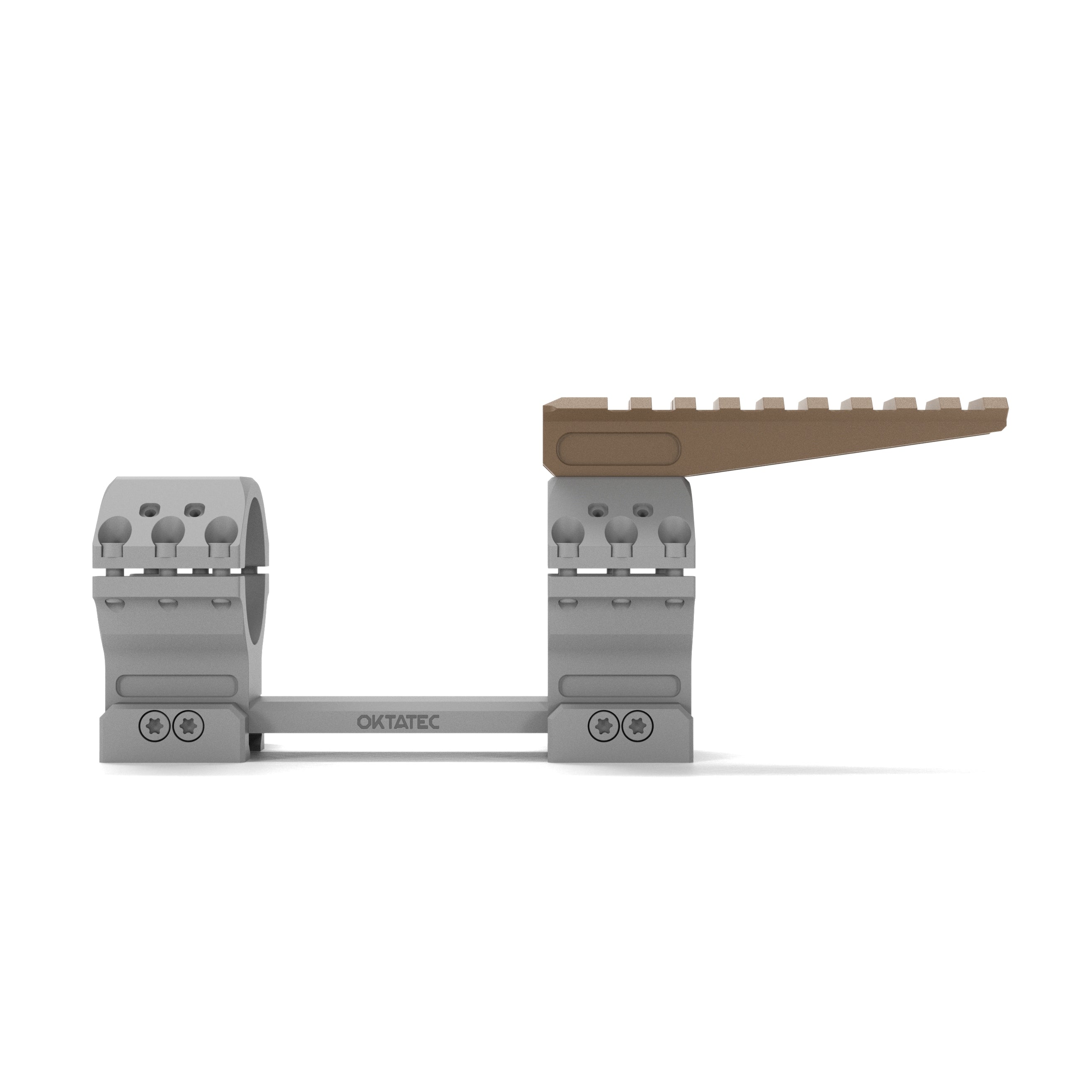
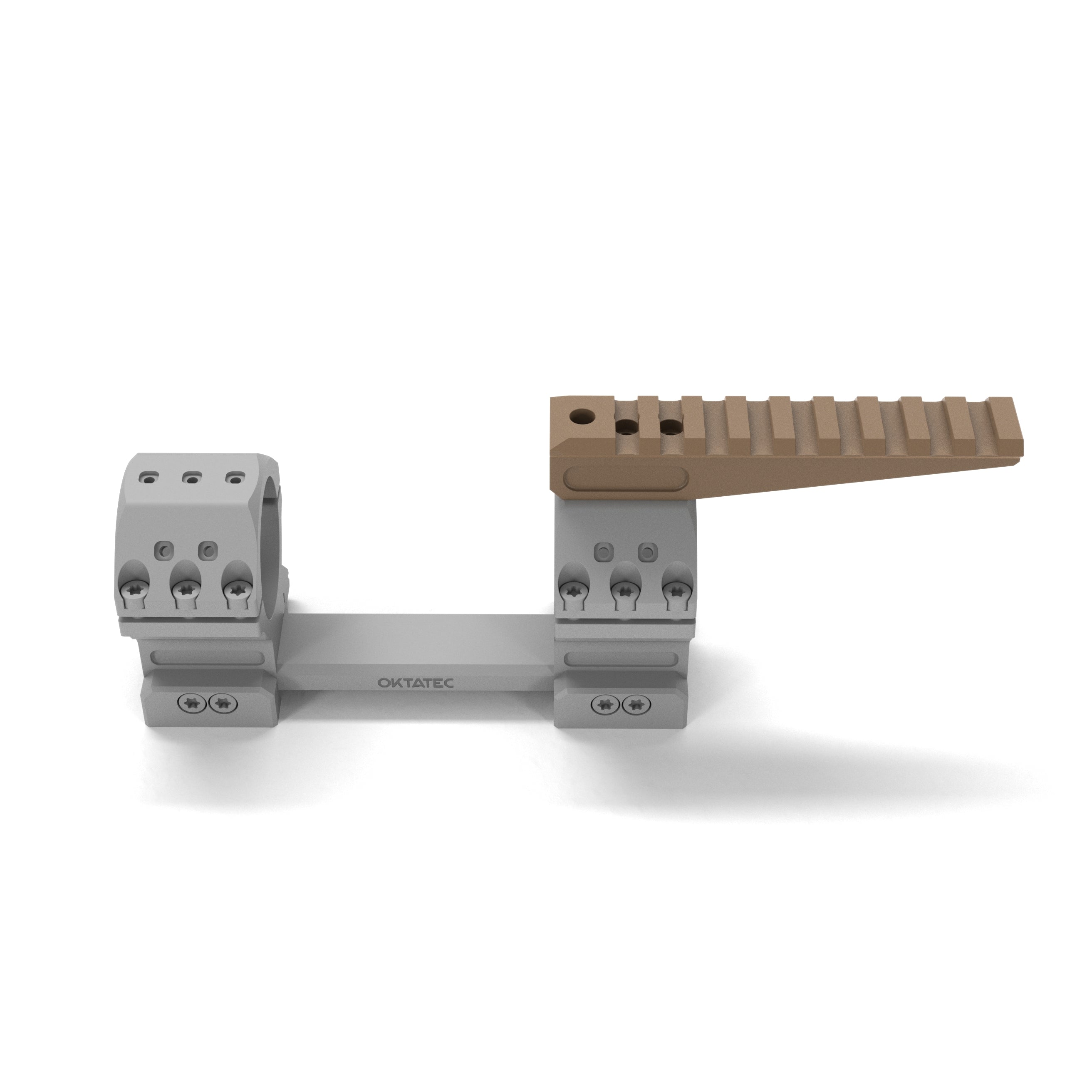
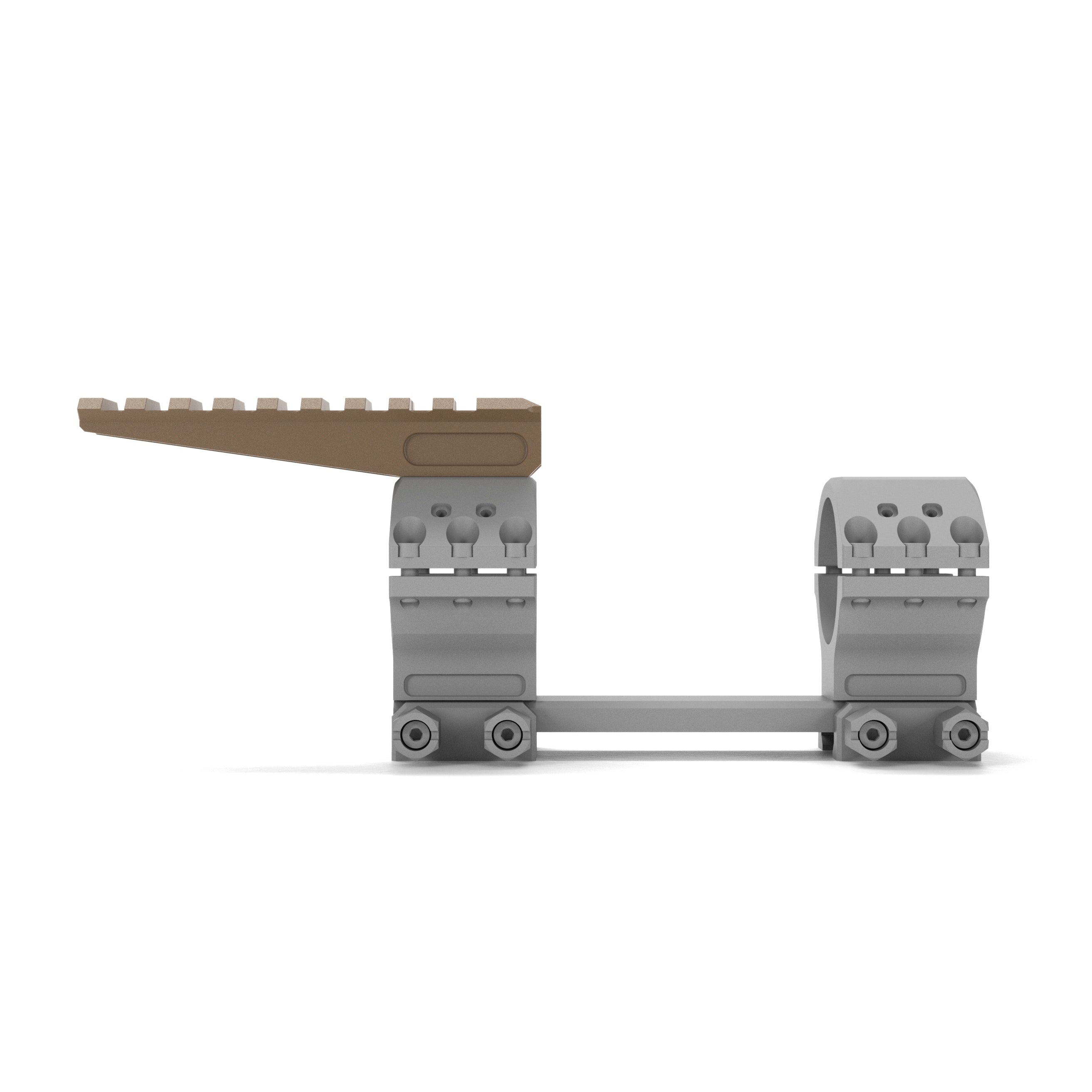
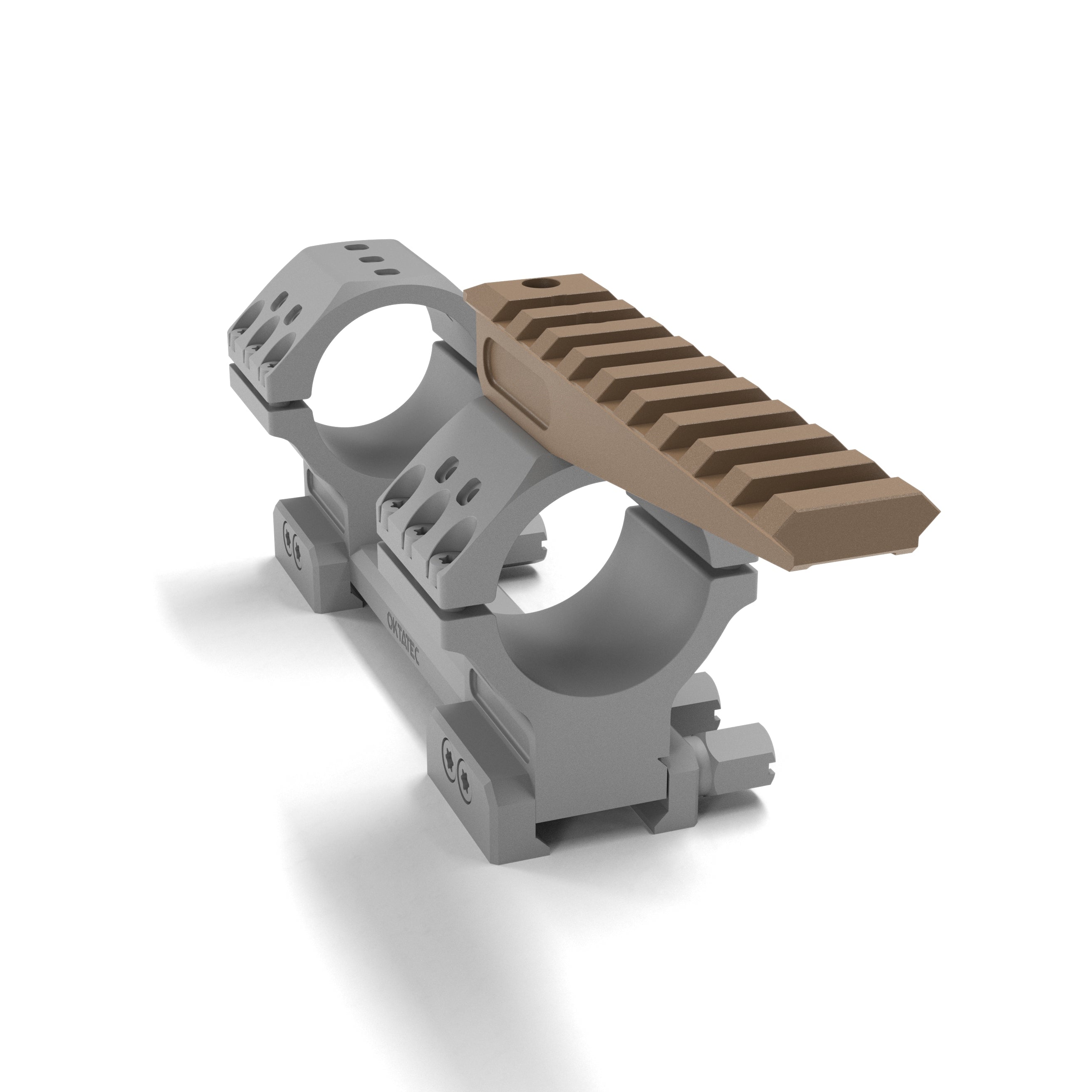
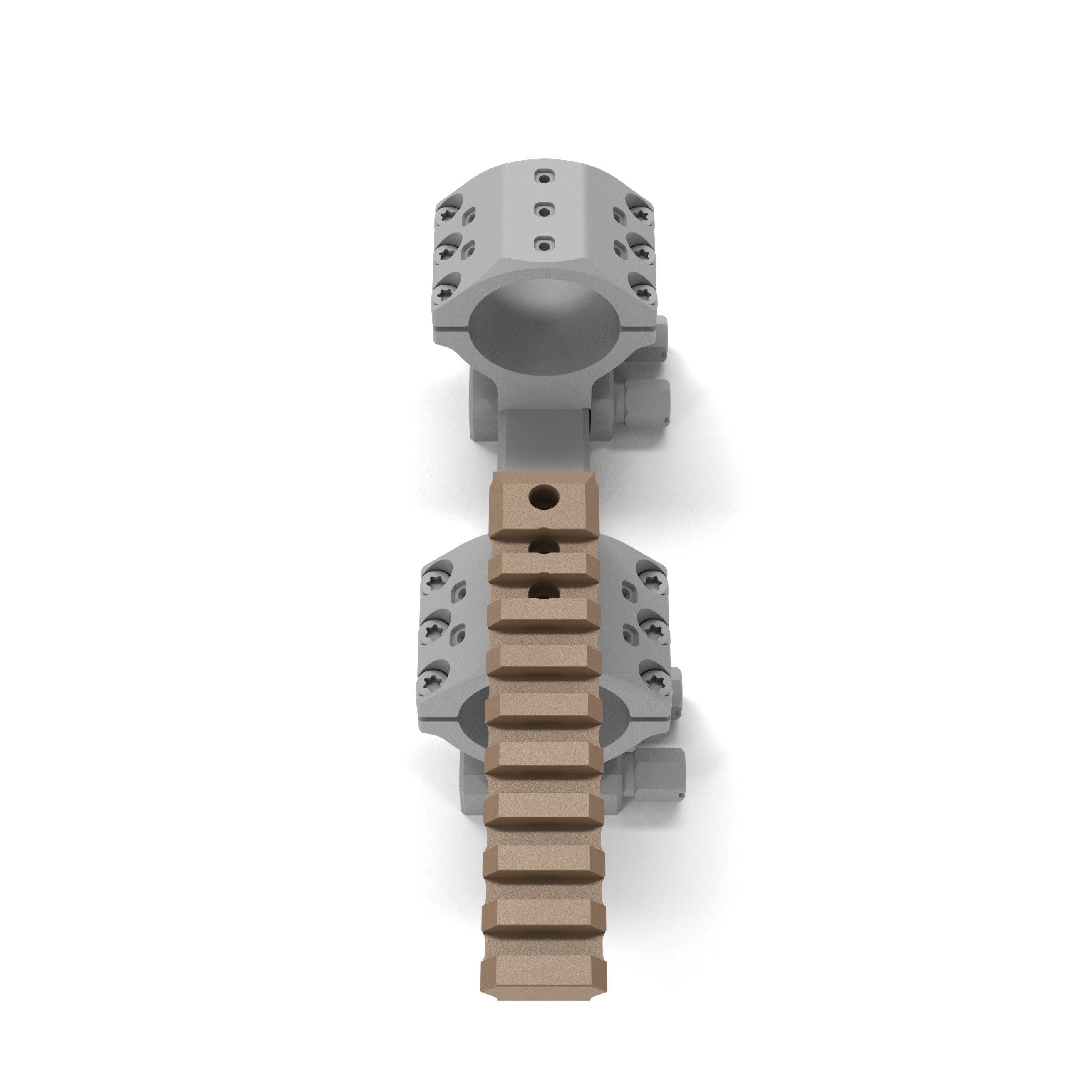
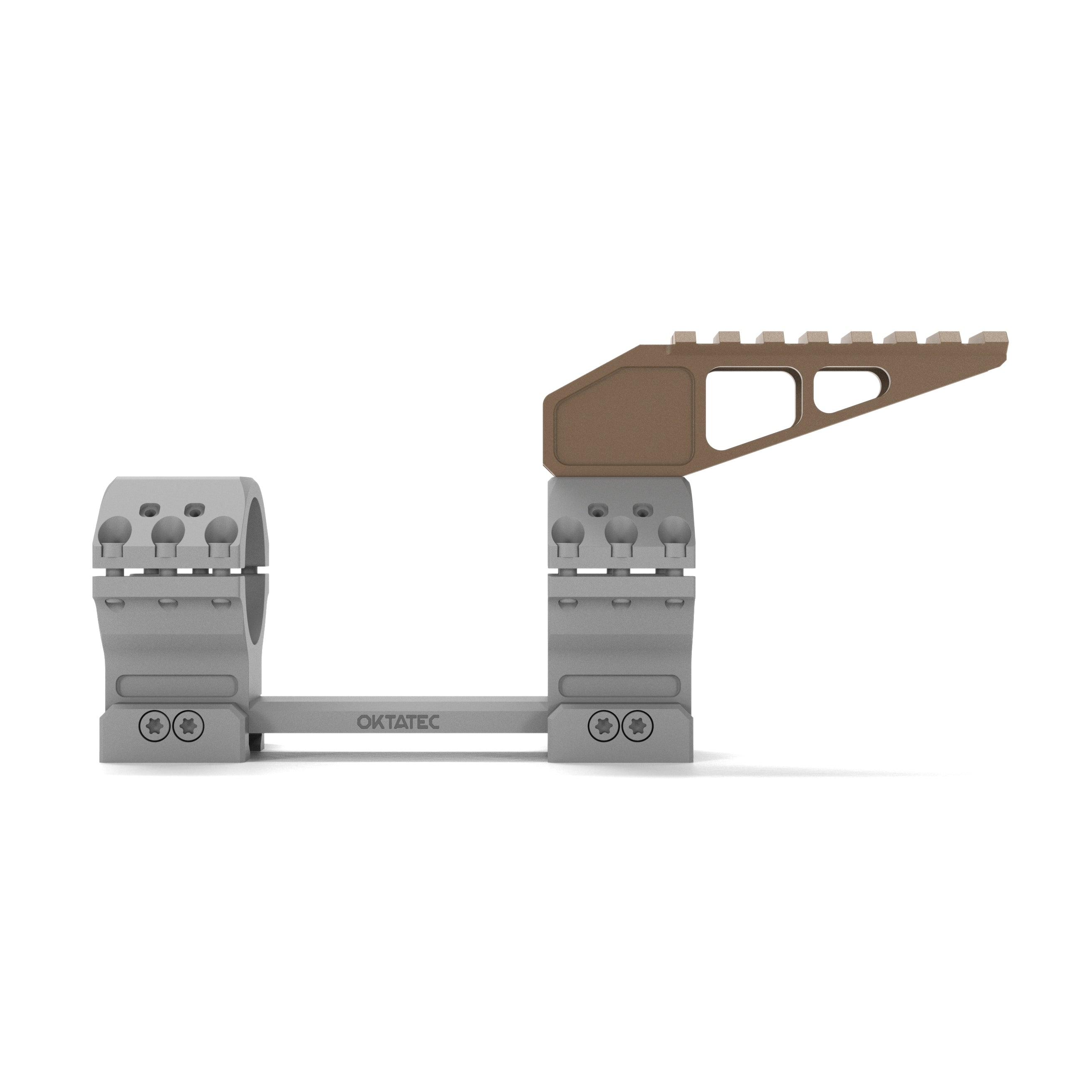
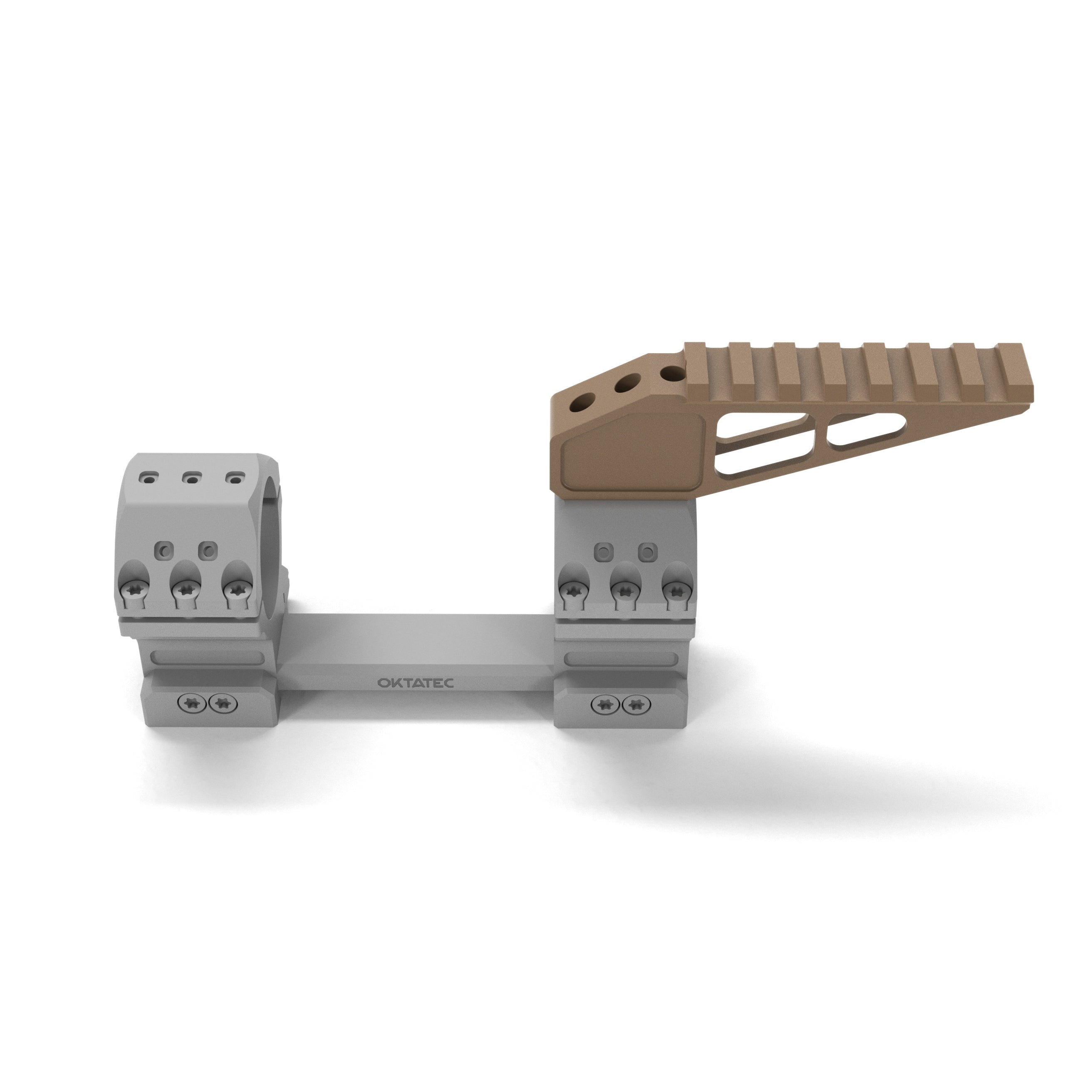
Oktatec Block Mount Dynamic with clamped measuring shaft on a coordinate measuring machine
1. The ground Picatinny rail as a reference
At the beginning of the measurement, a ground Picatinny rail is positioned on the coordinate measuring machine.
Their position, alignment, and orientation are then measured. Based on this, a coordinate system is established that serves as a reference for all subsequent measurements.
The Picatinny rail thus forms the constant reference. Changes in the subsequently measured mount can be assessed relative to this previously defined rail position.
2. Pre-assembly of a ground measuring shaft
A ground measuring shaft is located in the riflescope clamp of the Oktatec mount to be tested. It is already pre-assembled in the ring clamp in a defined manner and serves as a precisely detectable reference for the position of the later riflescope axis.
The use of a measuring shaft offers a significant advantage: its cylindrical surface and its axis can be precisely measured on the coordinate measuring machine.
This allows both the position and the spatial orientation of the mount to be determined.
Since the measuring shaft remains in the riflescope clamp during the individual mounting cycles, the repeatability of the connection between the mount and the Picatinny rail is specifically investigated. Reopening and closing the ring clamp would introduce additional influencing factors into the test procedure.
3. Mounting on the reference rail
The prepared riflescope mount is placed on the ground Picatinny rail and fastened according to the mounting instructions.
The specified mounting method and the maximum tightening torques are observed.
For a meaningful comparative measurement, the mounting procedure must be carried out as identically as possible in each test cycle. This applies in particular to:
-
the position on the rail
-
the contact and direction of load
-
the actuation of the clamping elements
-
the tightening torque used
Only under reproducible mounting conditions can it be assessed which deviations actually result from the mechanical repeatability of the mount.
4. Determining position and orientation
After fastening, the ground measuring shaft is measured at several points on the coordinate measuring machine. The axis of the measuring shaft can be determined from these measurement points.
This allows both its position and its angular orientation to be evaluated relative to the previously measured Picatinny rail.
The measurement thus provides a geometric representation of the mounted state. Not just a single measurement point is crucial, but the spatial relationship between the reference rail and the measuring shaft axis.
5. Disassembly, reassembly, and comparative measurement
After the first measurement, the riflescope mount is detached from the Picatinny rail. It is then reassembled under the same defined conditions.
Afterward, another measurement of the measuring shaft is performed. The newly determined position and orientation are compared with the results of the previous measurement.
This allows us to determine how closely the mount returns to its previously measured position after reattachment. For further assessments, this mounting and measurement cycle can be repeated several times.
What coordinate measurement says and what it doesn't
Measurement on a coordinate measuring machine enables a targeted assessment of the geometric repeatability of a riflescope mount.
In contrast to a shooting test, many external influencing factors can be excluded or significantly reduced. Additional deviations due to ammunition, wind, barrel condition, shooting position, or the respective shooting situation play no role in this test.
This allows the mechanical connection between the mount and the reference rail to be considered in a much more isolated manner.
However, coordinate measurement is not to be equated with a complete statement about the subsequent point of impact of an individual weapon system. It evaluates the spatial repeatability of the mount under defined test conditions.
For the practical point of impact, the following factors, among others, remain relevant:
-
the riflescope used
-
the Picatinny rail of the respective weapon
-
the specific mount design
-
the tightening procedure
-
ballistic influences
-
external conditions
It is precisely this clear distinction that makes the measurement meaningful. It specifically examines the contribution that the riflescope mount can influence within the overall system.
What to consider during reassembly
Even a riflescope mount designed for repeatability requires defined handling. The best conditions are created when the mount is fastened under the same conditions as possible with each use.
Always use the same position
The mount should always be attached in the same position or the same cross slot of the Picatinny rail.
A different position can change the initial conditions and thus affect the comparability of the results.
Keep contact surfaces clean
The contact surfaces must be free of dirt, chips, and other foreign bodies. Visible damage to the rail or the clamping elements should also be checked before mounting.
Even small contaminations can change the contact condition and thus the alignment of the mount.
Comply with mounting instructions
When tightening, the specifications in the mounting instructions are authoritative. A higher tightening torque does not automatically lead to a better connection.
Excessive forces can overload components, damage threads, or alter the intended clamping forces within the system.
Do not use unapproved lubricants
Additional lubricants or thread treatments should only be used if explicitly approved.
Changed friction values can lead to a significantly different preload force with the same torque. This can affect the function of the clamping connection and its repeatability.
Repeatability as a measurable design task
The demands on modern riflescope mounts are increasing. Users expect not only a stable and durable connection. They also desire a comprehensible technical basis for the constructive design.
Testing on a coordinate measuring machine creates a solid foundation for this. It enables the geometric investigation of the effects of different designs, materials, and clamping concepts.
In addition, mounting procedures can be compared under defined conditions, and possible influencing factors can be identified.
Such measurements are particularly valuable for the further development of a riflescope mount. They reveal what cannot be reliably judged with the naked eye: the smallest changes in position and orientation after repeated mounting cycles.
Thus, repeatability is transformed from a general product characteristic into a concrete and verifiable design requirement.
Conclusion
A repeatable riflescope mount should return to its previously occupied position and orientation as reliably as possible after being detached and reattached.
Several factors are crucial for this:
-
clearly defined contact surfaces
-
dimensionally stable clamping elements
-
a controlled preload force
-
precise manufacturing
-
sufficient system stiffness
-
a reproducible mounting procedure
In the corresponding riflescope mounts from Oktatec®, the Picatinny rail, with the exception of the Lightweight version, is clamped between two hardened steel jaws. This design supports the maintenance of stable contact conditions and reduces the risk of mounting-related changes to the clamping elements.
In these models, the stretch bolt concept complements the steel jaw clamping with a defined elastic spring travel. Small settling amounts can thus be partially absorbed. Their influence on the preload force can thus be reduced.
Due to its design, the Lightweight version uses an independent clamping concept. It does not have the described hardened steel clamping jaws or the stretch bolt concept. The statements regarding these two design features therefore explicitly do not refer to this model.
Testing on a coordinate measuring machine enables a controlled comparison of the spatial mounting position before and after disassembly. This means that repeatability is not just assumed, but assessed based on a clearly defined measurement methodology.
A riflescope mount cannot exclude all influences on the point of impact of a weapon system. However, it can contribute to making an important mechanical interface controllable, stable, and reproducible.
This is precisely the constructive claim of Oktatec®.